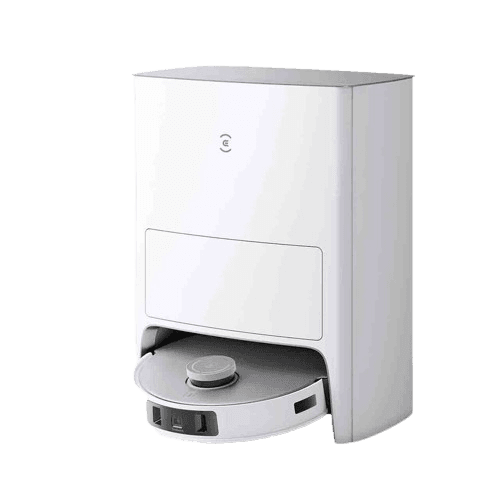
The suction pressure engineering of this unit is centered around a 60 W high-speed motor that optimizes the motor-to-airway ratio to achieve 6000 Pa. Unlike traditional motors that sacrifice static pressure for airflow volume, this configuration maintains a tight seal against the floor surface, which is critical for extracting fine dust from tile grout. The engineering focus on high static pressure makes it ideal for heavy debris like sand or spilled lentils, though the 60 W draw is tuned specifically for sustained performance rather than short bursts of extreme power. This efficiency ensures that the internal components do not overheat during extended sessions in warm Indian climates.
Filtration architecture utilizes a 3-stage-stage HIGH_EFFICIENCY_FILTER system designed to manage the high particulate load typical of urban India. The first stage captures large debris and hair, while the secondary mesh stabilizes the airflow before it hits the high-efficiency material. This third stage is engineered to capture particles down to 0.3 microns, including pollen and dust mites. The washable construction is a vital engineering choice for the Indian market, as it allows users to maintain peak suction without the recurring expense of replacing filters every few months, provided the media is dried thoroughly before re-insertion.
The battery and power system is built on a high-capacity lithium-ion array configured to support a 180-minute runtime. Engineering a system that balances 6000 Pa suction with such longevity requires sophisticated CC-CV (Constant Current-Constant Voltage) charging protocols to manage the 6.5-hour recharge cycle. This slow, controlled charging reduces thermal stress on the cells, extending the overall battery lifespan. For Indian users, this means the device can handle a full 2BHK cleaning cycle on a single charge, provided the mopping and suction intensities are modulated via the software to match the floor type.
The wet/dry separation mechanism employs a baffle design within the 300 ml bin to protect the 60 W motor from moisture ingress. The Ozmo Turbo 2.0 system uses dual rotating pads that apply downward pressure, mimicking manual scrubbing. This engineering approach is more effective for removing dried tea stains or muddy footprints than static pads. Post-wet-use maintenance is critical; the OMNI station is engineered to manage the water exchange and pad cleaning, though users must ensure the 2.5 L station bag is seated correctly to maintain the vacuum seal required for the self-emptying function.
For the specialized pet hair tool and brushes, the engineering focuses on tangle-reduction. The main brush uses a combination of rubber blades and bristles to lift hair from carpets while the side brushes sweep road dust into the primary suction path. This dual-action mechanism is particularly useful for Indian homes with a mix of hard floors and area rugs. While it lacks a blower function, the high-velocity intake effectively clears AC vent grimes and keyboard debris by creating a localized high-pressure zone. The lack of a blower is a conscious design choice to prevent the redistribution of fine dust into the air.
Constructed from high-durability ABS plastics, the 6 kg chassis is engineered for impact resistance and stability. The internal weight distribution ensures that the mopping pads maintain consistent contact with the floor, while the handle and docking ports are reinforced to withstand daily mechanical docking at the OMNI station. The parking position and sensor array prevent collisions with heavy Indian rosewood furniture or low-lying obstacles. Ultimately, the deebot t20 omni represents a disciplined approach to robotic engineering, prioritizing automated maintenance and low operating costs through its bagless-ready station and washable filtration components, making it a sustainable choice for modern households.