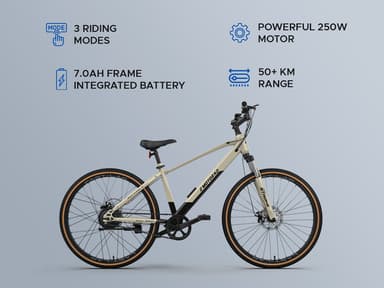
From an EV engineering perspective, the EMotorad Doodle’s architecture is optimized for urban efficiency and user-centric design. The 250W BLDC rear hub motor, while rated for continuous output, is strategically coupled with a single-speed drivetrain. This combination prioritizes simplicity and robust reliability, suitable for flat to moderately inclined urban terrains, especially when assisting a 100 kg payload. The Hall sensor integration ensures precise commutation and efficient power delivery across the 5 PAS levels.
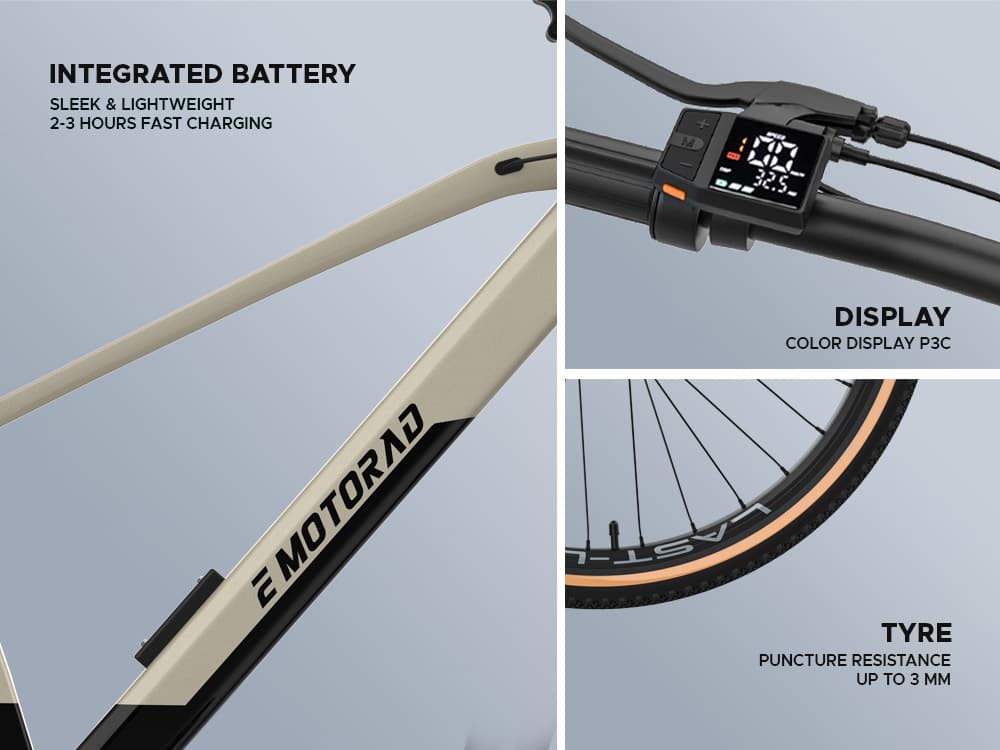
The energy storage system, utilizing a 36V Lithium-Ion battery with capacities up to 459Wh, dictates the impressive 60 km PAS range. The energy density allows for approximately 7.65 Wh/km efficiency, indicating optimized motor control and low rolling resistance from the 4-inch fat tires. The integrated BMS provides critical operational safeguards, ensuring battery longevity and user safety, preventing common issues like overcharging or excessive discharge. The removable battery design enhances security and charging flexibility.
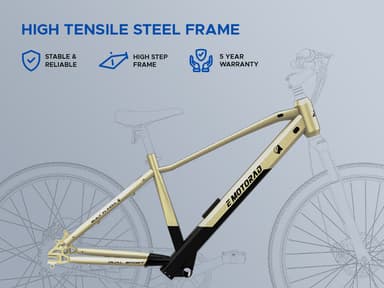
The structural integrity is underpinned by an Aluminium Alloy folding frame. This material choice balances low weight (28.2 kg) with high strength, crucial for a folding mechanism that must withstand repeated stress cycles. The step-through design further improves accessibility for a wider demographic of riders. Ride dynamics are significantly enhanced by the front telescopic fork suspension with 60mm travel. This, in conjunction with the voluminous 20-inch fat tires, creates a highly compliant ride, effectively dampening road vibrations and impacts, a distinct advantage on pothole-ridden city streets.
Braking performance is managed by a front mechanical disc brake and a rear mechanical drum brake. This setup provides a balanced and reliable stopping force. The front disc offers stronger initial bite, while the rear drum provides consistent performance with lower maintenance, an important consideration for consumer e-bikes. The motor cutoff feature upon brake engagement is a standard safety protocol, preventing accidental acceleration and ensuring immediate deceleration. While a torque sensor would offer a more intuitive and seamless assist, the cadence sensor combined with throttle support provides effective control for varied riding preferences. The overall design prioritizes practical urban mobility, integrating robust mechanical and electrical systems for a dependable user experience, compliant with BIS certification.