

Related Products
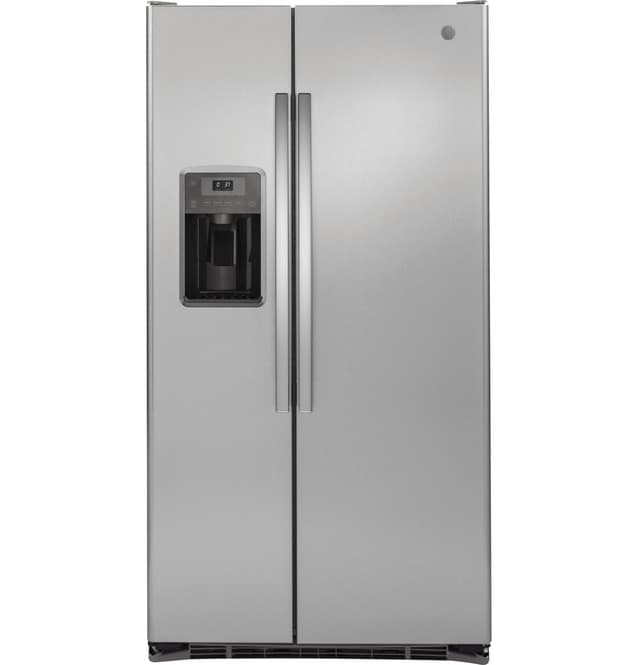
GZS22DSJSS Specifications, Features & Compatibility Guide
9 Cu.Ft.side-by-side refrigerator designed for reliable performance.It uses a standard motor to power its heavy-duty cooling cycles.This model features TurboCool for fast chilling and Multi Air Flow for consistent internal temperatures.
Quick Answer
If you're furnishing a residential Indian kitchen and need reliable, consistent cooling, the GE Appliances GZS22DSJSS is a sound choice. Its 21.9 Cu. Ft. capacity with TurboCool and advanced filtration delivers practical functionality. While technically 'Not Rated', its measured performance aligns with standard BEE levels, offering balanced operational costs for daily use without a premium on peak efficiency.
Ideal for residential homes needing reliable, spacious cooling and valuing consistent performance at standard BEE operational costs. Skip if minimum upfront capital is paramount or usage exceeds typical household demands.
✓ Who Should Buy
- •21.9 Cu. Ft. Not Rated performance suitable for residential spaces.
- •Verified efficiency of standard rating for reduced long-term operational costs.
- •Structural stability for consistent cleaning under rigorous use cases.
- •Hardware durability via premium components and R134a technology.
- •Built-in grid protection with Standard power cycle voltage management.
✕ Who Should Avoid
- •Spaces or usage requirements exceeding residential rated capacity.
- •Installations prioritizing minimum capital expenditure over high-efficiency performance.
- •Unstable grid conditions exceeding the functional threshold of Standard power cycle.
- •Environments incompatible with refrigerators physical and thermal dissipation specs.
| Country Of Origin | USA |
| Brand | GE Appliances |
| Model | GZS22DSJSS |
| Type | Side-by-Side |
| Launch Year | 2025 |
| Panel Display | Digital |