

Related Products
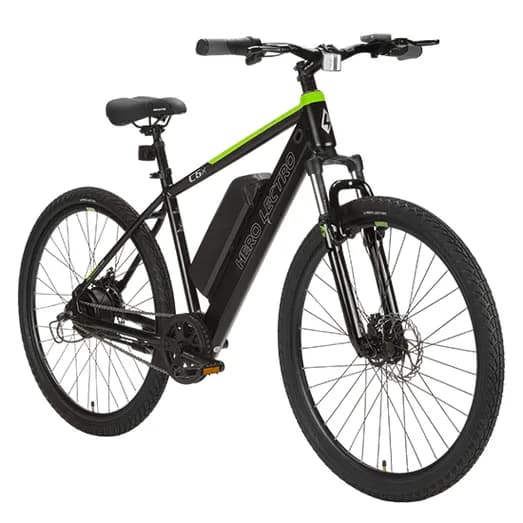
Hero Lectro C5x: Optimized Electric Drivetrain for Urban Commuting Efficiency
The Hero Lectro C5x integrates a 250W BLDC rear hub motor with a 281Wh in-tube Lithium-ion battery, precisely engineered for urban commuting with a practical 30km PAS range. Its robust Alloy 6061 frame and IP65-rated electrical system ensure operational durability and reliable performance across diverse city conditions.
Quick Answer
The Hero Lectro C5x offers a technically sound and reliable electric cycling solution, combining an efficient 250W BLDC motor with a BIS-certified battery management system for secure urban mobility.
The Hero Lectro C5x is a sleek pick for city dwellers prioritizing aesthetics, featuring a hidden 281Wh in-tube battery within a lightweight 470mm Alloy 6061 frame. Its 250W BLDC motor makes short urban commutes effortless. Buy this if you want a reliable, minimalist e-cycle from a trusted Indian brand. However, avoid it if you live in a high-rise without ground-floor charging, since the battery isn’t removable. It’s perfect for casual sprints, but serious tourers might find the 7.8Ah capacity and lack of rear carriers limiting.
✓ Who Should Buy
- •Urban commuters seeking a dependable and efficient electric bicycle for daily short to medium-range travel.
- •First-time electric cycle users looking for a straightforward, easy-to-operate model with fundamental electric assistance and safety features.
- •Riders prioritizing durability, low maintenance, and a stable ride on paved surfaces, valuing the rigid frame and proven BLDC motor technology.
✕ Who Should Avoid
- •Enthusiasts requiring advanced smart connectivity features, higher power output for off-road trails, or significantly extended range for long-distance touring.
- •Riders who prioritize maximum comfort on uneven roads or rough terrains, as the rigid frame lacks shock-absorbing suspension.
- •Users needing a lightweight, foldable solution for multi-modal transport or storage in confined spaces.
| Brand | Hero Lectro |
| Model Number | C5x |
| Type | Electric Cycle |
| Application Sector | Urban Commute / Personal Mobility |
| Country Of Origin | India |
| Launch Year | 2023 |
| Color | Black / Green |
| Frame Type | City Commute |
| Standard Compliance | NA |
| Certifications | NA |