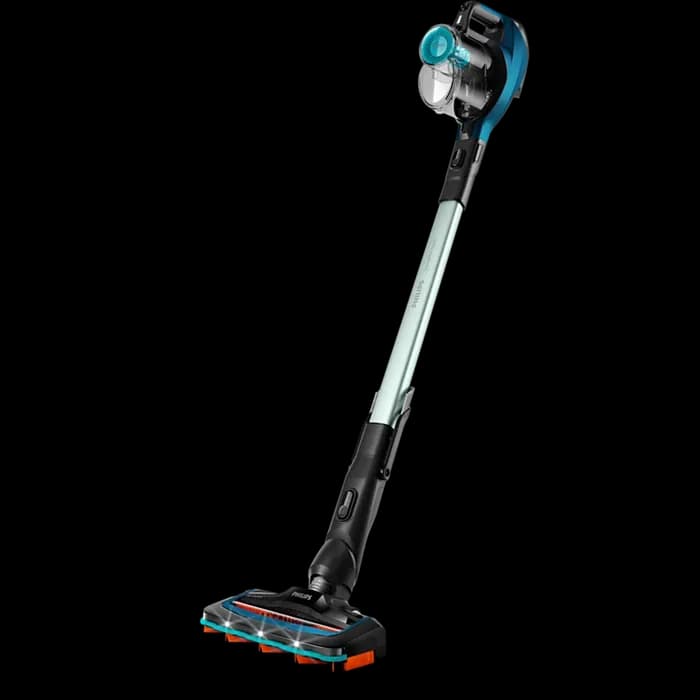
The suction pressure engineering of this unit utilizes a 1400 W universal motor to generate 14 kPa of negative pressure. This is achieved through a high motor-to-airway ratio that prioritizes static pressure over pure cubic feet per minute airflow, making it particularly effective for heavy debris like garage grit or workshop sawdust. In Indian conditions where road dust is often mixed with oily soot, the high wattage ensures the motor does not struggle under load. However, the trade-off is higher power draw per cleaning session, which necessitates efficient usage patterns to avoid thermal cut-off during intense household cleaning tasks.
Filtration architecture consists of a 2-stage HEPA and SPONGE system designed for durability. The primary sponge stage acts as a pre-filter to catch larger particles such as pet hair and food crumbs, while the HEPA stage intercepts fine PM2.5 particulates and allergens. This washable construction is vital for Indian users who face daily dust ingress; it allows for frequent cleaning of the filters to maintain peak suction without the cost of frequent replacements. The multi-stage approach ensures that the 1400 W motor remains protected from fine dust bypass, extending the overall lifespan of the internal components.
The battery and power system is configured to drive the heavy-duty 1400 W motor for a maximum of 20 minutes. This runtime is a calculated engineering compromise to keep the 4.2 kg chassis maneuverable while providing enough torque for wet and dry extraction. Users must manage the CC-CV charging cycle carefully, as high-draw universal motors generate significant heat during operation. For Indian households, this means the unit is best suited for focused bursts of cleaning, such as clearing a spill or sanitizing a specific mattress, rather than continuous vacuuming of an entire multi-story residence in one go.
The wet and dry separation mechanism utilizes an internal baffle design within the 15 L bagless container. When liquid is ingested, the airflow is diverted to prevent moisture from reaching the motor housing, allowing the device to safely vacuum up to its rated liquid capacity. This is particularly useful for Indian kitchens or cleaning up after monsoon-related window leaks. Post-wet-use maintenance is critical; the user must drain and dry the tank and sponge filter to prevent mold growth, ensuring the hygiene of the 15 L reservoir remains intact for subsequent dry dust collection cycles.
The blower function is a technical addition that leverages the motor's exhaust side to create a high-velocity air stream. Unlike pure-suction models, this feature is engineered for tasks where vacuuming is impossible, such as clearing dust from dense computer keyboards or AC vent fins. By redirecting the 1400 W motor's output, it provides a powerful mechanical force to dislodge stuck grime. This is an essential feature for the Indian climate, where humidity can cause dust to cake onto surfaces, requiring both blowing and sucking actions for a truly comprehensive deep clean.
Weight, chassis, and ergonomics are centered around a high-impact ABS construction that houses the 15 L tank and the 4.2 kg motor assembly. The handle design is positioned to balance the center of gravity over the wheels, reducing wrist strain during transitions between surface types like wood flooring and carpet. While heavier than plastic-only sticks, the chassis provides a stable parking position for storage in utility areas. This structural rigidity ensures that the Micro WD15 can withstand the rigors of garage and workshop environments while remaining versatile enough for delicate car upholstery and domestic mattress maintenance tasks.