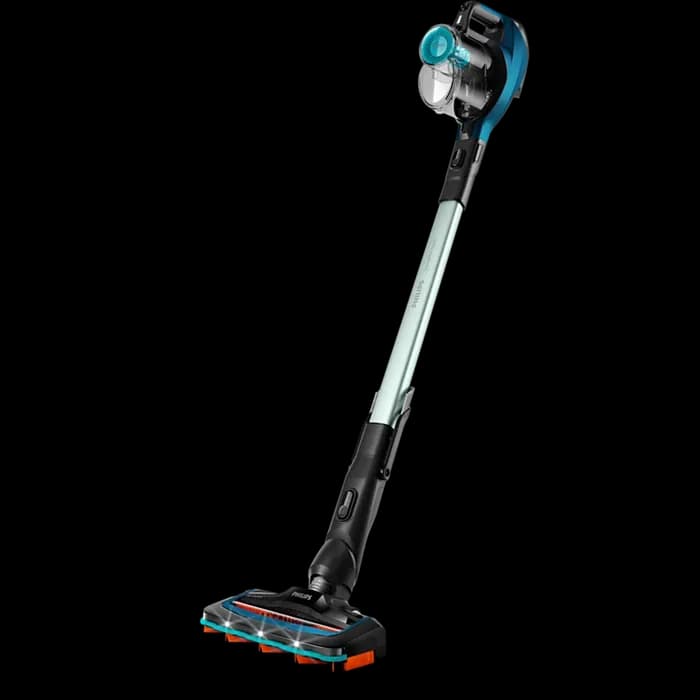
The suction pressure engineering of this unit centers on the 1400 W universal motor which is calibrated to generate 19 kPa of static pressure. This high motor-to-airway ratio ensures that even when the 20 L tank begins to fill, the airflow velocity remains high enough to lift heavy particles from textured surfaces. The internal fan geometry is optimized to create a vortex that separates larger debris before it reaches the secondary filters. This makes it ideal for post-renovation dust or garage debris but requires careful handling to avoid overheating during prolonged sessions. This mechanical setup prioritizes raw lifting force over silent operation.
The filtration architecture utilizes a dual-layered approach combining a 2-stage HEPA filter with a high-density sponge. The HEPA element is engineered to capture particles as small as 0.3 microns, including pollen and fine road dust prevalent in Indian metros. By placing a washable sponge filter upstream, the system protects the more sensitive HEPA pleats from premature clogging by larger fibers and hair. This washable construction is specifically beneficial for the Indian context, where high ambient dust levels would otherwise necessitate frequent and expensive filter replacements. The system maintains a high seal integrity to prevent bypass leakage.
Regarding the battery and power system, the cordless vacuum cleaner utilizes a high-capacity cell configuration designed to manage the significant current draw of the 1400 W motor. The internal power management circuit employs CC-CV charging protocols to maximize cell longevity and prevent thermal runaway during the NA charging cycle. There is a calculated trade-off between the high motor draw and the total runtime, which dictates that the device is best suited for focused high-intensity cleaning rather than continuous multi-hour operation. For Indian users, charging the unit overnight ensures peak performance for daily morning cleaning routines across various surfaces.
The wet and dry separation mechanism features a dedicated baffle design within the 20 L chassis to protect the motor from moisture ingress. When vacuuming spills or wet balcony grime, the internal float valve prevents overfilling of the liquid chamber. Although the total capacity is 20 L, the efficient wet-use limit is lower to ensure optimal airflow separation. Post-wet use, the bagless container and the sponge filter must be rinsed and dried to prevent bacterial growth and odor. This engineering choice allows the unit to function as a versatile utility cleaner for both kitchen spills and dry workshop debris.
The blower function is achieved by redirecting the motor exhaust through a dedicated port, transforming the unit from a vacuum into a high-velocity air mover. This technical mechanism is highly effective for cleaning recessed areas like AC vent fins or mechanical keyboards where physical brushes cannot reach. In Indian households, this function is frequently used to clear dust from window tracks and balcony corners before suctioning. Unlike pure-suction models, this dual-path airflow design maximizes the utility of the 1400 W motor, providing a 360-degree cleaning solution that handles both settled and airborne dust accumulation.
The chassis is constructed from high-impact ABS plastic to maintain structural integrity while weighing 5 kg. The ergonomic handle design and the inclusion of a telescopic tube allow users to manage the weight effectively during floor-to-ceiling cleaning tasks. The parking position and accessory storage on the base ensure that the various nozzles, including the floor cum carpet brush and crevice tool, are always accessible. This focus on physical durability ensures that the unit can withstand the knocks of daily use in busy households. Ultimately, the Micro WD20 represents a balance of heavy-duty material choice and functional portability for comprehensive home care.