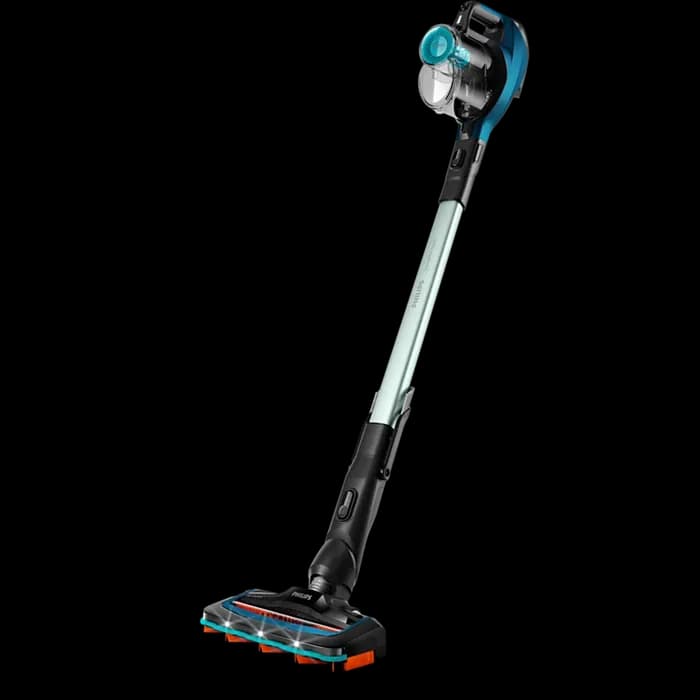
The suction pressure of this device is engineered through a high-velocity 120W DC motor that optimizes the motor-to-airway ratio for maximum static pressure. By generating a 8000 Pa vacuum, the internal impeller creates a significant pressure differential that excels at lifting dense particles like road dust and food crumbs. While this pressure is lower than 2000W corded canister models, the localized airflow velocity is tuned for surface-level extraction rather than deep-pile carpet agitation. This makes it highly efficient for hard surfaces and tight gaps where high-velocity air movement is more critical than total air volume displacement.
Filtration architecture consists of a single-stage HEPA system designed to intercept particulates as small as 0.3 microns. In the context of Indian environments, where PM2.5 levels and fine dust are prevalent, the 1-stage design prioritizes airflow sustainability while maintaining high capture efficiency. The filter uses a pleated synthetic media that is fully washable, preventing the common issue of pore-clogging often seen in paper-based filters. This construction allows users to restore full suction power after heavy use in dusty areas like window tracks or balconies simply by rinsing the element and drying it thoroughly.
Power delivery is managed by a 12V lithium-ion cell configuration that utilizes a Constant Current-Constant Voltage (CC-CV) charging protocol. This engineering choice ensures that the motor receives a steady current draw throughout the 30-minute runtime, preventing the suction drop-off typically associated with cheaper NiMH batteries. The 2-hour rapid charge time is achieved by optimizing the thermal dissipation of the battery pack during the energy intake phase. This balance between runtime and recharge cycles is tailored for Indian users who prefer short, frequent cleaning bursts over long, single-session deep cleaning operations.
The wet and dry separation mechanism employs a physical baffle within the 1L dust bin to divert liquid away from the motor assembly. When the unit ingests spills, the centrifugal force separates heavier liquid droplets from the air stream, depositing them in a dedicated reservoir area. This prevents moisture ingress into the electrical components, which is a common failure point in dry-only handhelds. Maintaining a 1L capacity in such a lightweight frame requires precise wall-thickness engineering to ensure the bin remains shatter-resistant while providing enough volume for significant liquid recovery without frequent stops.
The pet hair tool utilizes a friction-optimized brush head that works in tandem with the vacuum's airflow to dislodge static-clinging fibers from fabrics. Unlike motorized brush rolls that can tangle with long hair, this static-head design relies on mechanical agitation and high-velocity suction to pull hair into the air stream. This is particularly effective for removing fur from velvet sofas or cotton bedsheets common in Indian households. By eliminating complex moving parts in the nozzle, the design reduces mechanical drag on the battery, ensuring that the 120W motor remains dedicated to airflow generation rather than powering a belt-driven brush.
The chassis is constructed from high-grade ABS plastic, achieving a total weight of just 0.45 kg without compromising structural integrity. The ergonomic handle is positioned at a specific angle to reduce wrist strain during overhead cleaning, such as when dusting ceiling fan blades or high shelves. This lightweight build allows the motor to be housed in a compact rear-mounted position, balancing the weight distribution for better maneuverability in tight car interiors. Every component is fastened to withstand the vibrations of the 120W motor, ensuring the EV 313 remains a durable, long-term solution for daily household maintenance.