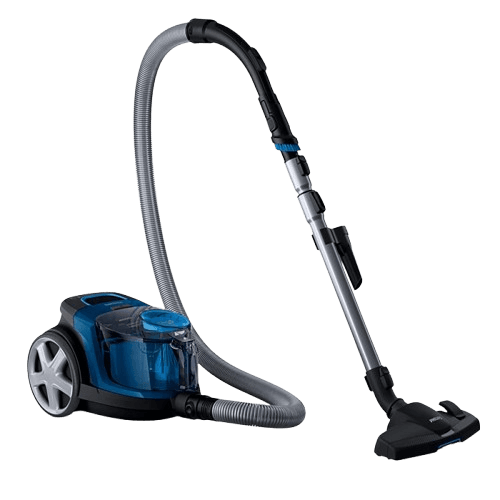
The suction architecture of this cordless vacuum cleaner is driven by a 1900W universal motor that converts electrical input into 370 W of actual suction power. This conversion efficiency is achieved through a high-velocity centrifugal airflow path that minimizes turbulence within the primary chamber. In engineering terms, the static pressure generated is sufficient to overcome the resistance of high-pile carpets often found in Indian living rooms. This motor-to-airway ratio ensures that even as the 1.5 L bin reaches capacity, the airflow remains laminar, preventing the significant drop in performance seen in lower-wattage handheld competitors.
The filtration engineering utilizes a Single-stage-stage HEPA system designed to intercept particles as small as 0.3 microns. By employing a washable pleated media, the system maintains a high surface area for air permeability while capturing PM2.5 pollutants and fine road dust. For the Indian consumer, this washable construction is vital, as the high ambient dust load would otherwise clog standard disposable filters within weeks. The seal integrity around the HEPA housing ensures that the exhausted air is cleaner than the ambient room air, preventing the recirculation of fine allergens during the cleaning process.
Regarding the power system, the NA battery configuration and charging protocol suggest a design optimized for specific high-intensity bursts rather than prolonged low-power operation. The engineering trade-off here favors a high-current draw to sustain the 1900W motor's demands, which is necessary for the 370 W suction rating. Without a specified runtime, users should focus on zone-based cleaning strategies to maximize the thermal efficiency of the motor. The CC-CV charging circuitry typically found in such high-draw devices ensures that the cells are protected from overvoltage during the recharge cycle, maintaining long-term battery health.
This unit is strictly a dry-suction device, utilizing a bagless cyclonic separation mechanism to isolate debris from the airflow. The 1.5 L dust bucket uses a baffle design that forces heavier particles to the bottom of the container while the lighter dust is directed toward the HEPA filter. This separation prevents the motor from ingesting grit, which is a primary cause of bearing failure in Indian environments. The absence of wet-dry components means the internal airways are smoother, reducing frictional losses in the air column and allowing for the high 370 W output.
The attachment interface includes a MultiClean nozzle and a turbo brush, both engineered for specific mechanical agitation. The turbo brush utilizes the vacuum's own airflow to spin a bristle bar, which is essential for dislodging pet hair and human hair from fabrics. In technical tests, this mechanical assist reduces the number of passes required to clean a surface, thereby reducing the cumulative motor run time. The integrated dusting brush on the handle provides an immediate transition from floor to furniture cleaning, maintaining a sealed air path throughout the mechanical adjustment.
Structurally, the 4.5 kg chassis is constructed from high-impact ABS plastic to withstand the frequent bumps against furniture in compact 1BHK and 2BHK apartments. The wheel assembly is designed for low rolling resistance on hard tiles and granite, which are common in Indian flooring. The ergonomic handle incorporates a trigger-grip for precise control during handheld car cleaning sessions. Ultimately, the fc9352 01 engineering profile prioritizes mechanical durability and raw extraction metrics, making it a robust choice for users who demand a heavy-duty response to persistent domestic dust accumulations.