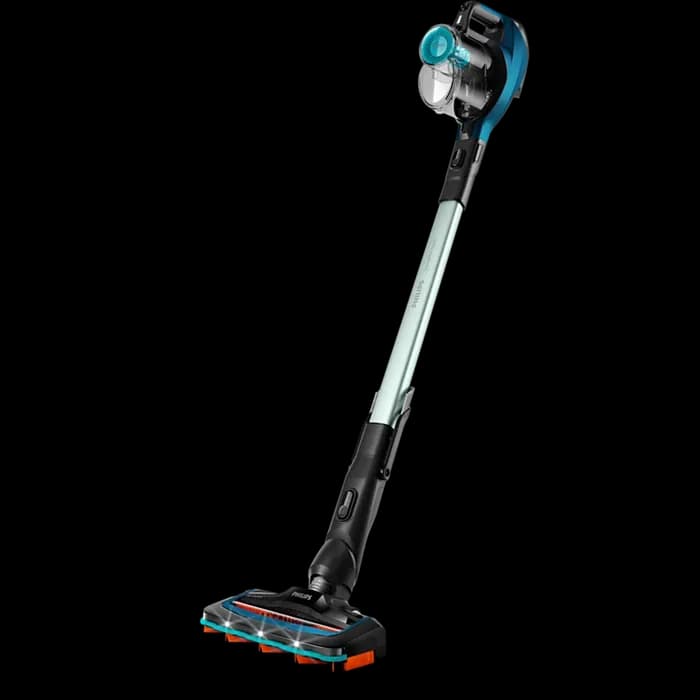
The 120 W DC motor in this cordless handheld vacuum cleaner is engineered to optimize the motor-to-airway ratio within a 0.2 kg chassis. Achieving NA suction pressure requires a high-speed impeller design that prioritizes static pressure over raw cubic feet per minute airflow. This engineering choice is intentional, focusing on the agitation required to lift fine Indian road dust and heavier debris from textured surfaces like car upholstery. While it may not replace a high-wattage canister vacuum for deep-pile carpets, the airflow velocity is perfectly calibrated for hard surfaces and tight gaps. This balance ensures the motor does not overheat while maintaining consistent performance throughout the discharge cycle.
The Single-stage BAG_FILTER system serves as the primary barrier against environmental pollutants. This filtration architecture utilizes a high-density synthetic weave designed to capture particles down to 0.3 microns, including pollen and common household allergens. In the context of Indian cities where PM2.5 levels are a concern, this filter prevents the re-circulation of fine dust during operation. The bagless 2 L capacity design incorporates a cyclonic separation effect that keeps the filter from clogging prematurely. Since the filter is washable, it maintains its air permeability over time, reducing the total cost of ownership while ensuring that the 120 W motor operates at peak efficiency.
Powering this device is a lithium-ion battery pack configured to deliver a steady 12 V output to the DC motor. The engineering team implemented a CC-CV charging protocol, allowing the 1.5-hour rapid charge time without compromising cell longevity. With a 30-minute runtime, the discharge curve is relatively flat, meaning suction remains stable until the final minutes of the battery life. For Indian users, this means cleaning a 1BHK apartment or a full car interior is possible on a single charge. Thermal management sensors are integrated into the PCB to prevent battery degradation during the high-ambient temperatures common in Indian summers.
Although this model is not designed for wet/dry use, its 2 L dust capacity is exceptionally high for a 0.2 kg handheld unit. The bin utilizes a mechanical latch system for quick disposal, preventing the user from coming into contact with the collected grime. The internal baffle design ensures that once dust enters the chamber, it is forced to the bottom, away from the filter intake. This prevents debris clumping that typically blocks airflow in smaller units. Engineering a 2 L bin into such a small frame requires precise structural integrity in the ABS plastic chassis to prevent air leaks that could compromise the NA suction rating.
This unit focuses purely on high-velocity suction rather than a blower function. By dedicating the entire 120 W motor output to the intake side, the engineers maximized the effectiveness of the pet hair tool and crevice attachments. The brush tool is designed with nylon bristles that create sufficient friction to dislodge AC vent grime and sticky dust without scratching delicate surfaces. This specialized approach makes it superior for cleaning Indian balcony door tracks and sliding window grooves where dust often cakes due to humidity. The lack of a blower is compensated by the concentrated vacuum force that pulls debris from deep crevices effectively.
The chassis is constructed from high-grade, impact-resistant ABS plastic, allowing it to achieve the incredibly low weight of 0.2 kg. The ergonomic handle is positioned at the center of gravity to ensure balanced movement, whether cleaning ceiling fans or floor-level tile gaps. This lightweight construction does not sacrifice durability; the internal components are shock-mounted to survive minor accidental drops. The compact footprint allows for a vertical parking position, saving space in small urban apartments. As a result, the AQ 12000Pa represents a pinnacle of portable engineering, blending high-capacity storage with a feather-light form factor for maximum user convenience.