

Related Products
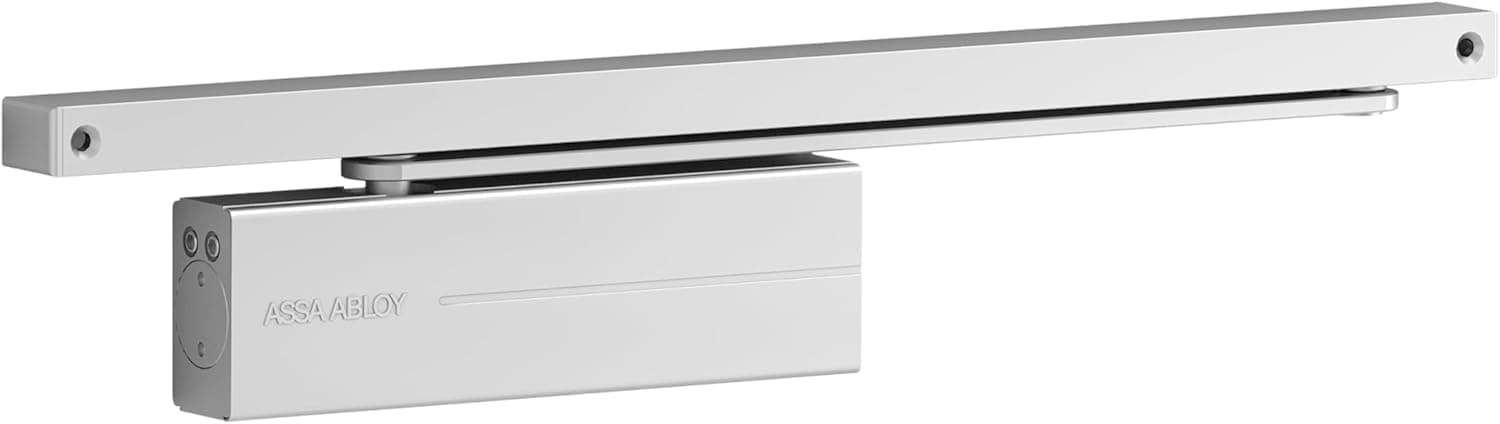
ASSA ABLOY DC175-EV1 Surface-Mounted Hydraulic Cam-Motion Door Closer with Guide Rail
The ASSA ABLOY DC175-EV1 is a high-performance hydraulic cam-motion door closer engineered for precise control of single action doors up to 1100mm width. Certified to EN 1154 CE and BS EN 1154, it offers adjustable closing/latching speeds and integrated back-check, making it ideal for critical fire and smoke protection applications.
Quick Answer
The ASSA ABLOY DC175-EV1 provides robust, EN 1154 compliant hydraulic door control, specifically engineered for fire and smoke protection doors requiring precise closing action.
The ASSA ABLOY DC175-EV1 is an expertly engineered hydraulic cam-motion door closer, offering precise and reliable door control, particularly for fire and smoke protection applications. Its EN 1154 compliance, adjustable functions, and robust build quality make it a superior choice for professional installations demanding high performance and safety.
✓ Who Should Buy
- •Building architects and specifiers requiring EN 1154 certified hardware for fire-rated door assemblies.
- •Facility managers seeking durable, adjustable door closers for high-traffic public, commercial, or institutional buildings.
- •Door hardware installers looking for a reliable, easy-to-configure surface-mounted closer for single action doors up to 1100mm.
✕ Who Should Avoid
- •Applications specifically requiring integrated hold-open or delayed action functionality, as these are not standard features on the DC175-EV1.
- •Installations on doors exceeding 1100 mm width or requiring higher power sizes than EN 4.
| Brand | assa-abloy |
| Model Name | N/A |
| Category | Door Closer |
| Closer Type | hydraulic-cam-motion |
| Series | DC175 |
| Model Year | N/A |
| Country Of Origin | N/A |
| Intended Use | Controlled closing for single action doors |
| Suitable For | Fire and smoke protection doors |