

Related Products
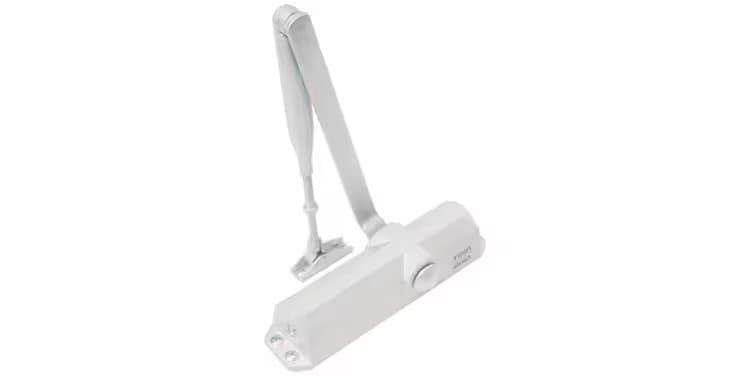
Assa Abloy DC700-D9005: Precision Surface-Mounted Hydraulic Door Closer for Commercial Fire Doors
The Assa Abloy DC700-D9005 is a robust, non-handed surface-mounted hydraulic door closer engineered for critical commercial fire and smoke protection applications. Certified to EN1154, it provides precise control over single action doors up to 1400mm width, ensuring safe and compliant operation.
Quick Answer
The Assa Abloy DC700-D9005's primary strength lies in its EN1154 certified, adjustable EN3-6 power, and critical fire-rated compliance for commercial single action doors.
The Assa Abloy DC700-D9005 stands as a highly reliable and compliant hydraulic door closer, meticulously engineered for critical commercial applications, particularly where fire safety and precise door control are paramount. Its EN1154 certification, adjustable EN3-6 power, and integrated control features (back-check, delayed action, adjustable speeds) make it an optimal choice for managing pedestrian flow while adhering to stringent safety standards.
✓ Who Should Buy
- •Commercial building developers and facility managers requiring EN1154 certified fire/smoke door closers.
- •Architects and specifiers designing projects demanding precise, adjustable door control and accessibility features (delayed action).
- •Door hardware contractors and installers seeking a robust, non-handed, and versatile surface-mounted solution for a wide range of door materials.
✕ Who Should Avoid
- •Applications requiring an integrated hold-open function (as this model is designed for fire doors, it does not feature hold-open).
- •Situations where concealed door closers are aesthetically preferred over surface-mounted units.
- •Installations on extremely lightweight, narrow doors where EN3 power might be excessive (though adjustability helps mitigate this, lower power closers might be more suitable).
| Brand | assa-abloy |
| Model Name | N/A |
| Category | Door Closer |
| Closer Type | surface mounted hydraulic |
| Series | DC700 |
| Model Year | N/A |
| Country Of Origin | N/A |
| Intended Use | commercial fire/smoke protection doors |
| Suitable For | single action doors up to 1400 mm width |