From an EV engineering perspective, the Hero Lectro Y5Plus presents a robust and optimized architecture for its intended urban commuter application. The powertrain centers on a 250W BLDC rear hub motor. While specific rated torque values are not provided, the motor's Hall sensor integration ensures precise commutation and efficient power delivery, crucial for maintaining the 25 km/h maximum speed under varied load conditions. The absence of a geared motor suggests a direct-drive design, often valued for its simplicity and reduced maintenance, albeit potentially sacrificing some low-end torque compared to geared counterparts.
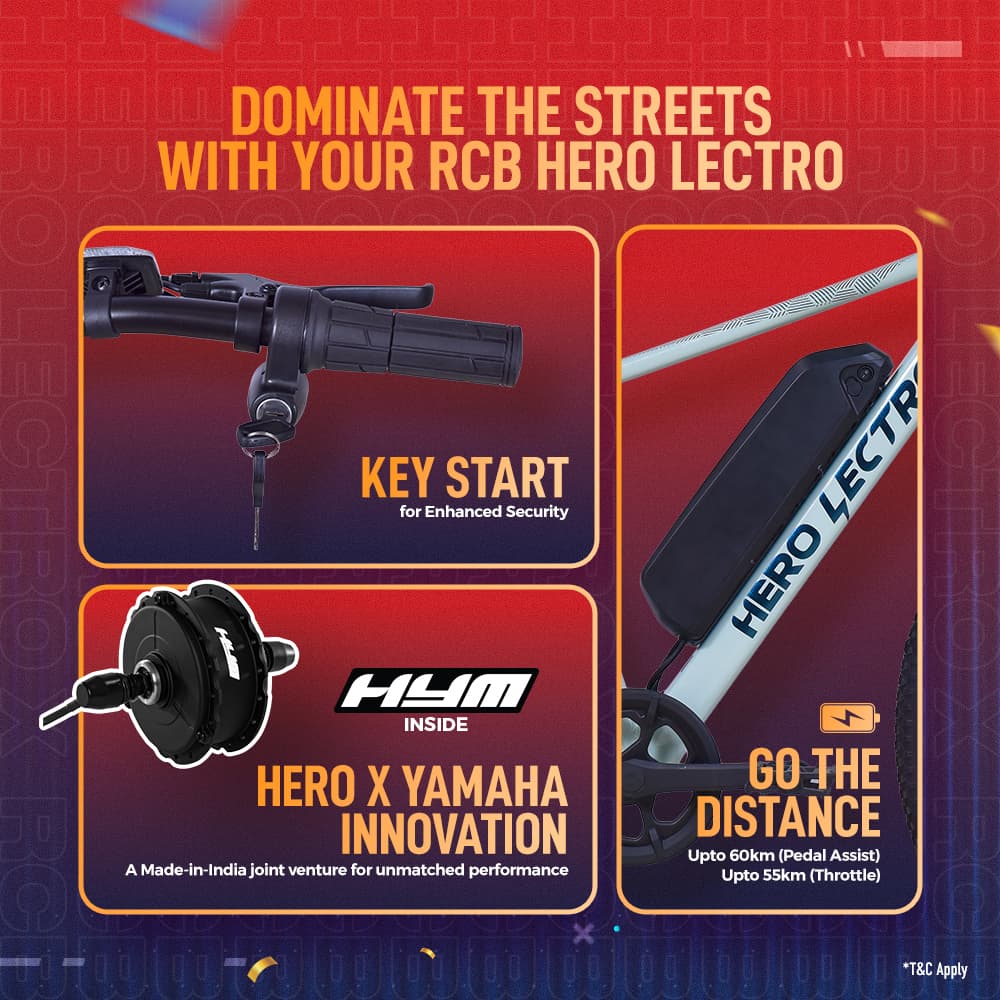
The energy storage system, a 36V 10.4Ah (374Wh) Lithium-ion battery, is intelligently integrated into the downtube. Its removable and lockable design enhances user convenience and security. The active Battery Management System (BMS) with cell balancing is a critical safety and longevity feature, preventing common Li-ion battery degradation modes such as overcharge, deep discharge, and thermal runaway. The estimated 500+ cycle life is indicative of a well-engineered battery pack. The 374Wh capacity, coupled with the efficient 250W motor and three pedal-assist levels, yields a commendable 60 km range, signifying effective energy management for typical urban commutes.
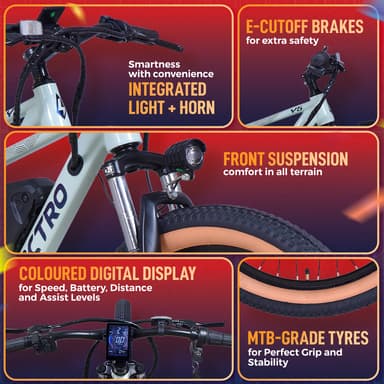
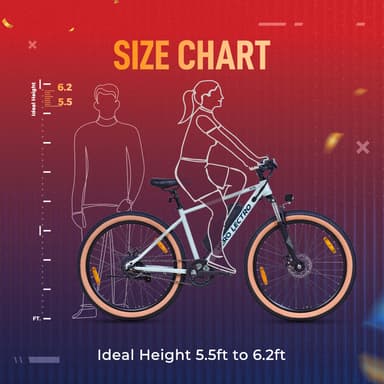
The vehicle dynamics are defined by a Carbon Steel MTB hardtail frame. This material choice offers a high strength-to-cost ratio, providing a rigid foundation. The rigid suspension, while foregoing shock absorption for rougher trails, contributes to direct power transfer and reduced maintenance for city riding. The 27.5-inch double-wall alloy wheels with 2.125-inch tires provide a balance of agility and stability. The braking system, featuring front and rear disc brakes, is a significant safety asset. The integrated motor cut-off on brake engagement immediately ceases power delivery, enhancing rider safety and control, especially during emergency stops. The overall electrical system's IP65 enclosure rating underscores its resilience against environmental factors, crucial for long-term reliability in varying weather conditions and urban dust. Thermal management relies on passive air cooling for both the motor and battery, a standard and effective method for e-cycles of this power class operating within specified temperature ranges (0°C to 45°C operating).