

Related Products
Summer Cool Specifications, Features & Compatibility Guide
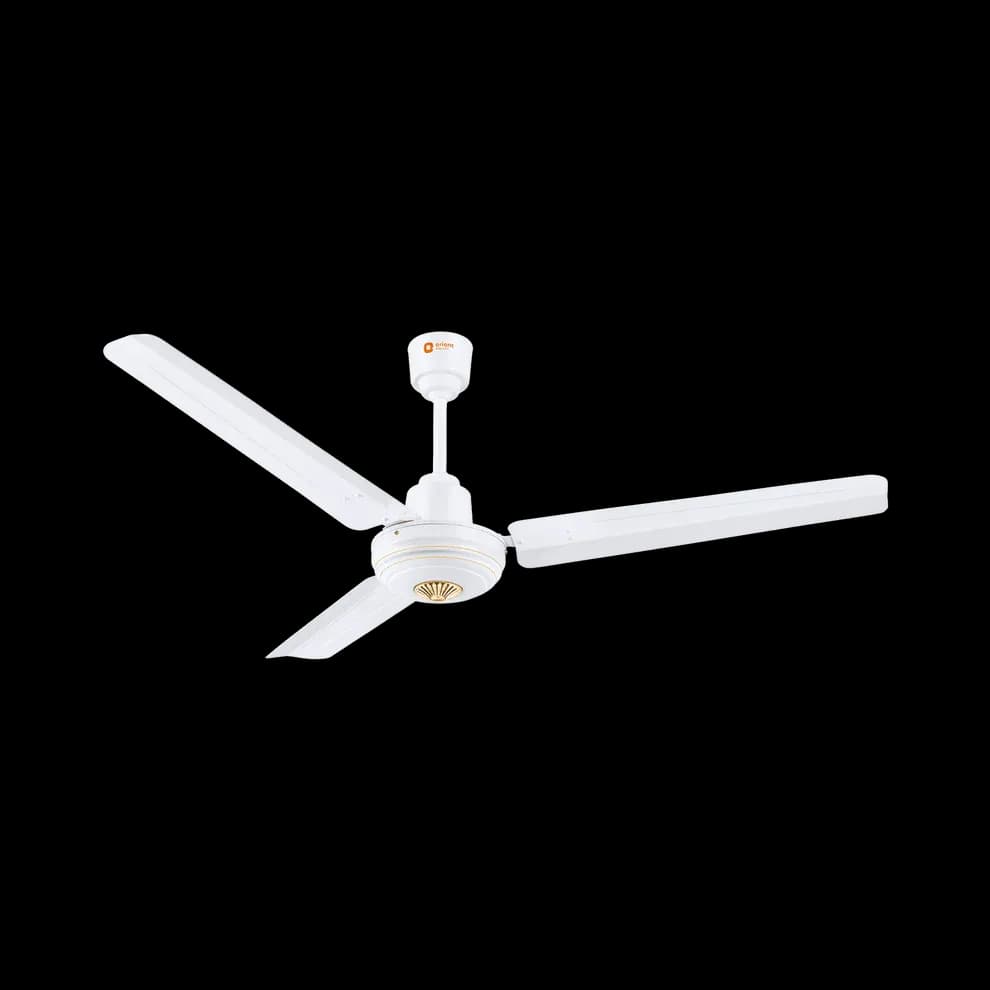
Surviving the scorching Indian summers requires more than just basic ventilation because it demands a high-performance solution like the Summer Cool fan.As temperatures soar, homeowners seek a reliable breeze that can penetrate every corner of a large living room or bedroom.
Quick Answer
You absolutely should buy the Summer Cool Ceiling Fan if you prioritize sustained cooling performance and long-term energy savings in your Indian residence. Its BEE-rated efficiency significantly reduces electricity bills, while the robust design ensures reliable air circulation even during peak summer months. This model is engineered to deliver a powerful, consistent breeze across large living spaces, offering excellent value and comfort for years to come.
Opt for the Summer Cool Ceiling Fan if your residential space demands high-efficiency cooling and durable performance for Indian conditions. However, avoid it if your requirements exceed standard residential capacity or if your primary concern is minimum upfront capital over long-term operational savings. It's ideal for those seeking a reliable, cost-effective cooling solution.
✓ Who Should Buy
- • performance suitable for residential spaces.
- •Verified efficiency of standard rating for reduced long-term operational costs.
- •Structural stability for consistent cleaning under rigorous use cases.
- •Hardware durability via premium components and advanced technology.
- •Built-in grid protection with Standard power cycle voltage management.
✕ Who Should Avoid
- •Spaces or usage requirements exceeding residential rated capacity.
- •Installations prioritizing minimum capital expenditure over high-efficiency performance.
- •Unstable grid conditions exceeding the functional threshold of Standard power cycle.
- •Environments incompatible with fan physical and thermal dissipation specs.