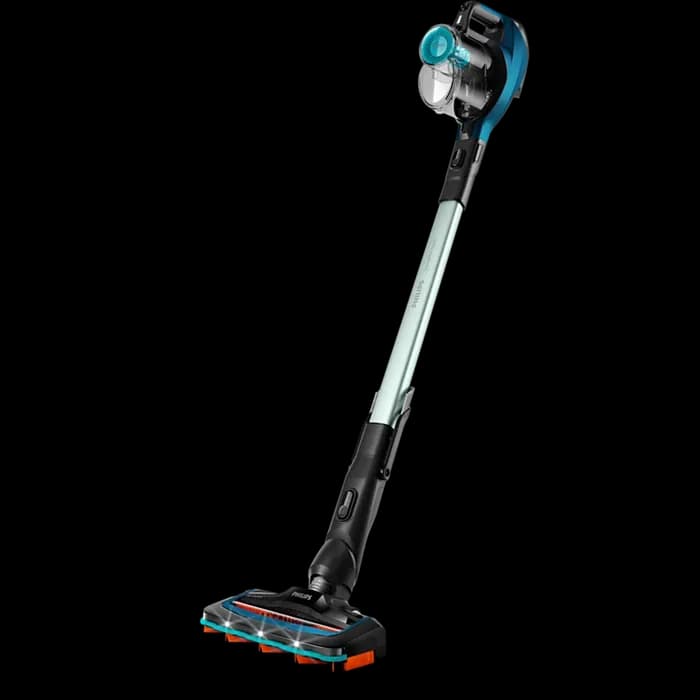
The core of this device is a 120W brushless DC motor that spins at high speeds to generate 18000 Pa of static pressure. This suction-to-power ratio is optimized for small-scale debris extraction where airflow volume is less critical than the concentrated pull required for fine road dust. The motor-to-airway design ensures minimal turbulence, allowing the unit to maintain consistent pressure even as the dust bin fills. While not intended for deep-pile carpet extraction, its engineering makes it ideal for hard surfaces and tight crevices where debris often becomes lodged in Indian automotive interiors and furniture gaps.
Filtration is managed through a 3-stage HEPA architecture designed for high-density particle capture. The first stage utilizes a plastic mesh for large debris, followed by a secondary foam layer, and finally a washable HEPA element that traps particles as small as 0.3 microns. For Indian users dealing with seasonal pollen and fine dust, this system prevents the exhaust from recycling allergens back into the room. The washable construction of the filter is a critical engineering choice, as it maintains peak airflow without requiring the frequent purchase of proprietary replacement parts common in cheaper vacuum models.
Power management is handled by a lithium-ion battery system that supports 60 minutes of continuous runtime on a single charge. The electrical system employs a CC-CV charging protocol via a 3-hour recharge cycle, balancing longevity with user convenience. In practical terms, the 120W draw is managed by an intelligent controller that prevents overheating during extended use. For Indian households, this runtime allows for the cleaning of a full 2BHK apartment's upholstery and electronics without interruption. The battery cells are configured to provide stable voltage output, ensuring that suction power does not drop significantly as the charge depletes.
The wet and dry separation mechanism utilizes an internal baffle design to protect the motor from moisture ingress. With a 0.18 L bagless dust capacity, the bin is designed for quick debris disposal and easy rinsing. The engineering team integrated a one-way valve system that prevents liquid from flowing back into the motor chamber when the unit is tilted. Post-wet-use maintenance is simplified by the tool-less disassembly of the dust cup. This feature is particularly useful for cleaning kitchen spills or damp mud tracked into cars during the Indian monsoon season, where standard dry vacuums would fail.
The blower function is achieved by redirecting the motor's high-velocity exhaust through a dedicated rear port. This technical mechanism converts the 120W motor power into a focused air stream capable of dislodging grime from AC vents and mechanical keyboards where suction alone cannot reach. Unlike pure-suction models, this dual-flow design increases the utility of the device for maintaining sensitive electronics. The attachment interface is precision-molded to ensure an airtight seal at both the suction and blower ends, maximizing the kinetic energy of the air regardless of which function the user chooses for their cleaning task.
Constructed from high-grade ABS plastic, the chassis weighs only 0.5 kg, optimizing the center of gravity for one-handed operation. The ergonomic handle is shaped to reduce wrist strain during the 60-minute runtime, while the parking position allows the unit to stand vertically for storage in small Indian apartment closets. The inclusion of a pet hair tool and crevice attachments further enhances its reach in tight spaces. Every component, from the brushless motor to the washable filter, is designed for durability and ease of use, making the 18000PA Car Vacuum Cleaner with Battery for Home a reliable tool for modern home maintenance.