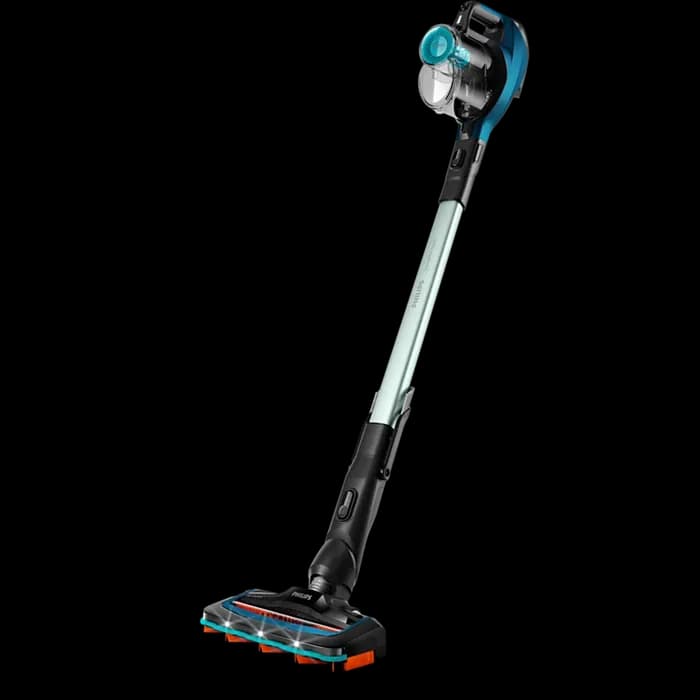
The 60W motor in this unit is optimized to generate 6000 Pa of static pressure, a specific engineering feat given its 0.2 kg chassis. The motor-to-airway ratio is tuned to prioritize high-velocity intake over high-volume airflow, making it ideal for surface-level debris rather than deep carpet pile. In the Indian context, where fine silt and road dust are prevalent, this suction level creates enough vacuum force to lift particles from flat surfaces without overheating the compact internal components. The static pressure is sufficient for hard surfaces like desks and car dashboards where airflow resistance is minimal during operation.
The filtration architecture utilizes a single-stage HEPA system designed to capture 99.97% of particles as small as 0.3 microns. For Indian users dealing with high PM2.5 levels, this washable filter is a critical feature, preventing fine dust from being exhausted back into the living space. The mesh integrity allows for repeated rinsing, which is essential given the high dust loading typically found in urban 2BHK apartments. Engineering the filter to be washable extends the life of the 60W motor by maintaining optimal air passage through the HEPA media during the 20-minute operational cycle, ensuring peak torque.
Power management is handled through a lithium-ion cell configuration that supports a 20-minute continuous runtime. The engineering involves a CC-CV (Constant Current-Constant Voltage) charging protocol that requires a 3-hour window to reach full capacity. This runtime vs. motor draw trade-off is calculated to provide maximum torque during the first 15 minutes of use before the voltage drop begins to affect suction. Practical application in Indian homes suggests a single charge is sufficient for cleaning a sofa set or a standard car interior, provided the user utilizes the focused nozzle attachments to maximize air velocity across the intake.
The 0.2 L bagless dust bin utilizes a straight-line airflow path to minimize suction loss. Unlike larger cyclonic models, this unit relies on a direct suction mechanism where the HEPA filter acts as the primary barrier. The baffle design at the intake prevents debris from falling back out when the motor is powered down, a common issue in entry-level handhelds. While the capacity is small, the easy-release mechanism allows for quick disposal of contents, which is necessary when cleaning high-debris areas like AC vents or under-seat car floor mats in dusty Indian urban environments.
The attachment suite, including the brush and nozzle, is engineered to increase air speed at the point of contact. The brush tool is specifically designed to agitate fibers on sofas and mattresses, loosening pet hair so the suction can capture it. The extension tube allows for ergonomic reach into high corners or deep car crevices without straining the user's wrist. Each accessory utilizes a friction-fit connection to maintain an airtight seal, ensuring the suction is concentrated at the tip. This mechanical focus allows the low-wattage motor to perform tasks usually reserved for much higher-powered industrial devices.
Constructed from high-grade ABS, the 0.2 kg chassis is designed for maximum maneuverability. The ergonomic handle places the center of gravity near the palm, reducing fatigue during extended 20-minute cleaning sessions. The compact form factor allows it to be stored in a glove box or a kitchen drawer, making it more accessible than traditional corded cleaners. This lightweight build does not compromise the structural integrity of the motor housing, ensuring vibration is dampened to keep noise levels at a manageable 65 dB. Ultimately, the 20000000249304 represents a specialized engineering solution for localized, high-frequency cleaning tasks in modern Indian homes.