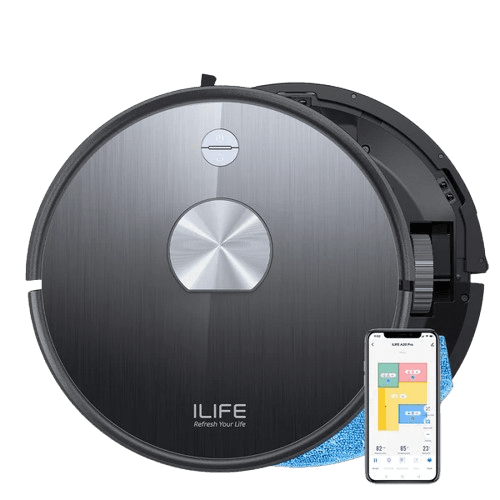
The engineering behind the 6500 Pa suction pressure involves a 40 W brushless DC motor optimized for high torque at lower RPMs. Unlike traditional motors, this BLDC configuration reduces friction and heat, allowing the unit to maintain peak static pressure throughout the 260-minute runtime. The motor-to-airway ratio is calibrated to prioritize lift over high-volume airflow, making it exceptionally efficient at pulling dense particles like sand and cement dust from hard tile surfaces. However, while 6500 Pa is robust for a portable unit, the trade-off involves a slower air velocity compared to high-wattage corded systems, meaning it excels at surface debris rather than deep carpet agitation.
The filtration architecture employs a 4-stage HEPA system designed to handle the unique particulate matter found in Indian urban environments. The primary stage uses a mesh pre-filter to trap hair and large debris, followed by a secondary cyclonic separation that precipitates heavier dust. The third stage utilizes the 0.3 L bagged compartment to isolate fine allergens, while the final washable HEPA grade filter captures 99.97% of particles as small as 0.3 microns. This multi-tier approach prevents the motor from clogging and ensures that the exhaust air is cleaner than the ambient room air, which is critical for households prone to respiratory sensitivities.
The power system is built around a high-capacity lithium-ion array providing a total of 260 minutes of operational time. This is achieved through a 14.8 V cell configuration that utilizes a CC-CV (Constant Current-Constant Voltage) charging protocol to preserve battery chemistry over its lifespan. The 5-hour charging cycle is a result of the high energy density required to sustain the 40 W motor draw for over four hours. For the Indian user, this means the device can handle a full 3BHK apartment cleaning on a single charge, provided the wet and dry functions are used judiciously to avoid excessive motor strain.
The wet and dry separation mechanism utilizes an internal baffle design within the 0.3 L tank to prevent moisture from entering the motor housing. When liquid is ingested, centrifugal force directs the fluid into a dedicated reservoir section while the air path remains diverted through the filtration stages. This engineering prevents short-circuits and maintains consistent suction even when transitioning from dry dust to spilled liquids on kitchen tiles. Post-wet-use maintenance is essential, requiring users to rinse and dry the internal components to prevent mold growth, which is a common challenge in the humid climates prevalent across many Indian coastal cities.
The inclusion of a pet hair tool and mop cloth leverages mechanical agitation to supplement the 6500 Pa suction. The side brushes are engineered with nylon bristles that flick edge-bound dust into the primary suction path, solving the common issue of corner cleaning in rectangular Indian rooms. The mop cloth attachment uses capillary action to dampen surfaces, allowing the vacuum to lift light stains and fine dust simultaneously. This dual-action mechanism is particularly effective on marble or wood flooring where dry vacuuming alone might leave behind a thin film of road dust, providing a polished finish without requiring separate cleaning steps.
Constructed primarily from high-grade ABS plastic, the chassis weighs 3.3 kg, balancing structural integrity with maneuverability. The handle design follows an ergonomic grip profile that centers the weight over the wrist, reducing the perceived load during overhead cleaning of AC vents or fans. While it lacks a vertical parking position, the low center of gravity makes it stable when rested against furniture. The 60 dB noise level is achieved through acoustic dampening foam surrounding the motor chamber, which absorbs high-frequency vibrations. Ultimately, the A20 Pro LiDAR represents a sophisticated mechanical assembly designed for sustained performance in demanding domestic environments.