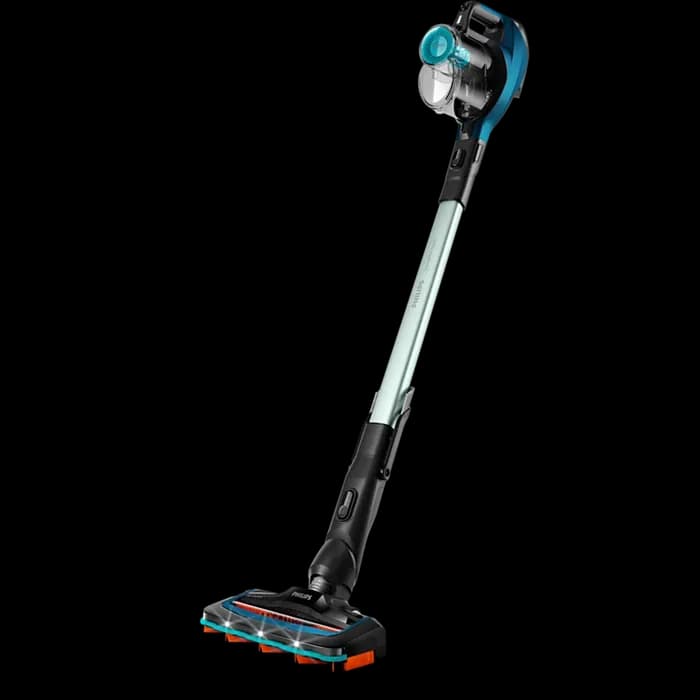
Achieving 32.6 kPa requires precise motor-to-airway calibration within the 2200 W universal motor housing. The engineering team has optimized the impeller design to maximize static pressure, which is vital for pulling fine road dust out of deep-pile Indian carpets. Unlike low-wattage motors that rely solely on high airflow, this unit creates a vacuum seal that overcomes the resistance of dense fabrics. This high-torque configuration ensures that the suction remains consistent even as the 3 L bag fills, preventing the common performance drop-off seen in smaller units. This makes the system ideal for heavy debris extraction rather than just surface-level dusting.
The 3-stage HEPA filtration architecture is designed to manage the high particulate volume found in urban Indian environments. The first stage captures large debris, while the secondary washable filter protects the 2200 W motor from finer silt. The final HEPA stage is engineered to trap 99.97% of particles as small as 0.3 microns, including pollen and dust mite excreta. Because the filters are washable, users can maintain high airflow without the recurring cost of frequent filter replacements. This multi-layered approach ensures that the exhaust air is cleaner than the ambient room air, which is critical for asthma-prone households.
Powering a 2200 W motor via a cordless system necessitates a high-density cell configuration to provide a sustained 60 min runtime. The engineering focuses on a steady discharge curve, ensuring that the 32.6 kPa suction does not diminish significantly as the battery depletes. Utilizing a sophisticated power management board, the unit handles the heat generated by the universal motor while maintaining safe operating temperatures. For the Indian user, this means the ability to clean an entire 2BHK apartment on a single charge. The cordless architecture eliminates the trip hazards and reach limitations of traditional tethered machines, streamlining the daily cleaning workflow.
The 3 L bagged system is engineered for superior dust containment and hygienic disposal, which is a major advantage for those sensitive to fine dust clouds. The bag acts as an additional filtration layer, trapping the bulk of the debris before it reaches the HEPA stages. This large capacity is specifically chosen to accommodate the high dust loads typical of Indian homes near construction sites or busy roads. The mechanical seal around the bag inlet prevents leakage during the high-pressure suction cycle. This architecture ensures that once the dirt is captured, it remains isolated from the internal motor components and the living space.
Airflow dynamics within the chassis are managed through a series of internal baffles that reduce turbulence and optimize the 78 dB noise profile. While the 2200 W motor generates significant sound, the acoustic dampening materials used in the motor housing prevent harsh high-frequency whining. The inclusion of specialized attachments like the floor cum carpet brush allows the user to transition between hard floors and rugs without losing the vacuum seal. The engineering prioritizes airflow velocity through the extension pipes to ensure that heavy particles are carried all the way into the collection bag without settling in the hose, maintaining peak efficiency.
The chassis is constructed from high-impact ABS plastic to provide durability while housing the heavy internal components required for such high suction. At 7 kg, the weight is distributed to provide stability during floor cleaning, while the ergonomic handle design allows for controlled movement when using it as a handheld unit. The parking position and storage hooks for attachments ensure that the device has a small footprint in Indian utility rooms. The overall build quality reflects American Micronic's commitment to industrial-grade standards in a domestic format. Ultimately, the AMI VCC 2200WDx stands as a robust alternative to less powerful cordless models.