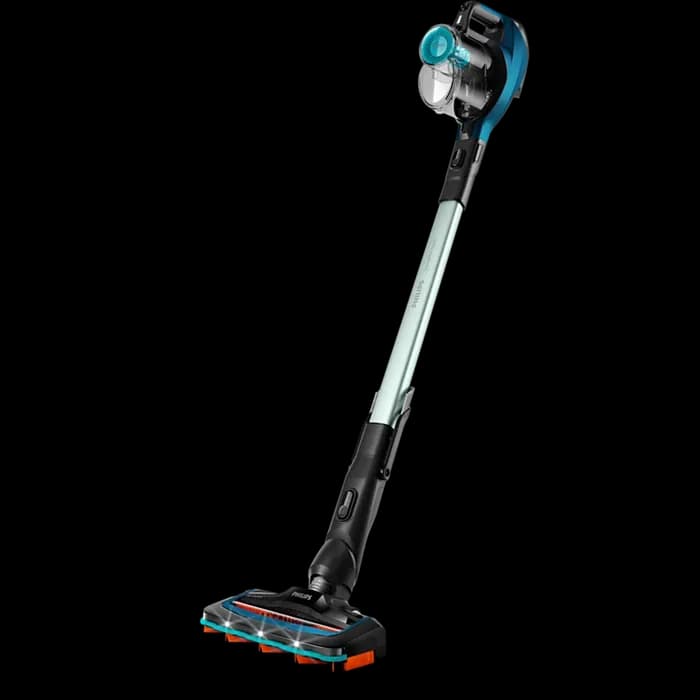
The engineering core of this cordless handheld vacuum cleaner relies on a high-torque 1200 W motor designed to generate NA suction pressure through a streamlined internal airway. By maintaining a tight motor-to-airway ratio, the device balances static pressure for heavy lifting with sufficient airflow for fine dust entrainment. This configuration is particularly effective for Indian homes where road dust density is high. The motor design prioritizes durability under thermal stress, ensuring that the suction remains consistent during intense cleaning cycles on diverse surface types ranging from hard marble to dense carpets and garage floors.
Filtration is managed through a sophisticated 3-stage HEPA and SPONGE architecture. The primary stage utilizes a high-density sponge to intercept larger debris, while the secondary HEPA element captures microscopic particles as small as 0.3 microns, including pollen and dander. For Indian users, the washable nature of these filters is a critical engineering advantage, preventing the accumulation of AC vent grime and kitchen grease that typically clogs non-washable systems. This multi-layered approach ensures that the exhaust air is significantly cleaner than the intake, which is vital for maintaining indoor air quality in urban pollution zones.
The power system architecture utilizes an NA cell configuration optimized for high current draw required by the 1200 W motor. Engineering the battery management system involved implementing a CC-CV charging protocol to maintain cell health over repeated cycles. While the runtime is NA, the discharge curve is tuned to provide maximum power until the final depletion point, avoiding the suction drop-off seen in lower-wattage units. For the Indian consumer, this means the device provides peak performance for quick, high-intensity tasks like car detailing or cleaning a 1BHK apartment without the need for constant recharging mid-task.
Wet and dry separation is achieved through a dedicated internal baffle design that protects the 1200 W motor from moisture ingress. With a 15 L bagged capacity, the unit can handle significant liquid spills or damp debris without compromising the HEPA filter's integrity. The engineering focus here was on creating a large-volume containment system within a lightweight 1.8 kg frame, allowing for easy disposal of wet waste. Post-wet-use maintenance is simplified by the modular tank design, which is essential for preventing microbial growth or odors in the humid conditions common across the Indian subcontinent.
The blower function is engineered by redirecting the motor exhaust through a concentrated nozzle assembly. Unlike pure-suction models, this technical mechanism allows for a high-velocity air stream capable of clearing dust from sensitive electronics like WFH keyboards or deep-set AC vent fins. By utilizing the 1200 W motor's inherent exhaust pressure, the blower provides a dual-utility function without adding significant weight or mechanical complexity. This makes it an ideal engineering solution for intricate cleaning tasks where physical brushes cannot reach, providing a thorough clean for various domestic and automotive applications.
Structurally, the chassis is constructed from high-impact ABS plastic, contributing to the light 1.8 kg weight while ensuring the unit can withstand accidental drops. The ergonomics are defined by a balanced handle design that places the center of gravity near the wrist, reducing user fatigue during overhead cleaning of fans or curtains. A dedicated parking position allows for stable storage in small Indian apartments where floor space is limited. Every component, from the extension pipes to the floor cum carpet brush, is engineered for a friction-fit seal to maximize the Ares 1200 Watt, 15 Litre Tank efficiency.