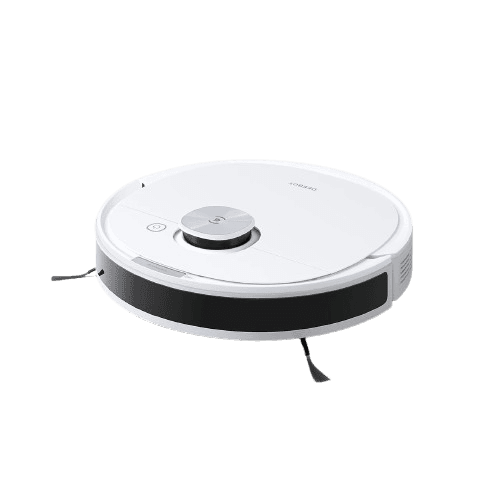
The 4300 Pa suction is generated through a high-efficiency 40 W brushless DC motor. This engineering choice prioritizes static pressure over high-volume airflow, which is critical for lifting fine silt and heavy road dust found in Indian urban areas. The motor-to-airway ratio is optimized to maintain peak pressure even as the 300 ml bagless bin reaches capacity. This makes the unit highly effective for hard floor crevices but suggests a trade-off in high-pile carpet extraction where higher wattage motors usually dominate. The 63 dB noise output is a direct result of the acoustic dampening around the brushless motor housing.
The 3-stage-stage HEPA filtration system is engineered to capture 99.97% of particles down to 0.3 microns. The first stage uses a mesh pre-filter for large debris like hair, followed by a secondary layer for finer dust, and finally the washable HEPA media. In the Indian context, where PM2.5 levels are high, this architecture prevents the recirculation of allergens back into the living space. Making the filter washable is a specific engineering response to the high dust load in tropical climates, ensuring that suction remains consistent without the immediate need for expensive consumable replacements or frequent filter clogging.
The power system utilizes a high-capacity lithium-ion array configured for a 330-minute runtime, one of the longest in the cordless vacuum cleaner segment. This is achieved through efficient power management and the relatively low 40 W draw of the motor. The charging circuit follows a strict CC-CV (Constant Current-Constant Voltage) protocol over a 6.5-hour cycle to prevent thermal degradation of cells in high-temperature Indian summers. Users should note that while the runtime is extensive, the charging period requires overnight scheduling to ensure the device is ready for daily deep-cleaning cycles across 1BHK or 2BHK floorplans.
The wet and dry capability is supported by an integrated mopping pad and a moisture-protected internal chassis. Unlike pure suction models, the airflow path is designed to prevent liquid ingress into the motor compartment during light mopping tasks. The 300 ml capacity is primarily for dry debris, while the mopping function relies on surface contact rather than a large liquid reservoir. Post-use maintenance is critical; the mopping pad must be removed and dried to prevent bacterial growth, a common issue in humid coastal regions of India. This hybrid design balances floor scrubbing with standard dust extraction effectively.
The attachment suite features a floating main brush and a rubberized brush designed to maintain seal integrity on uneven tile floors. The floating mechanism allows the brush head to adjust its height automatically, compensating for grout lines or carpet edges to prevent suction loss. This is particularly useful for Indian homes with mixed flooring types. The pet hair tool uses stiff bristles to agitate fabric fibers on sofas and mattresses, mechanicalizing the lift process rather than relying solely on the 4300 Pa suction. This mechanical agitation ensures that stubborn fur is removed without requiring multiple passes or excessive battery drain.
The chassis is constructed from high-impact ABS plastic, bringing the total weight to 4.75 kg. While heavier than some ultra-light sticks, this weight provides the necessary downward force for the mopping pad to function effectively without user pressure. The handle design is centered over the motor to balance the center of gravity, reducing wrist strain during extended 330-minute sessions. The lack of a parking position means the unit is best stored on its charging dock. Ultimately, the deebot n10 chassis is built for durability, prioritizing mechanical longevity over the fragility of lightweight components common in entry-level models.