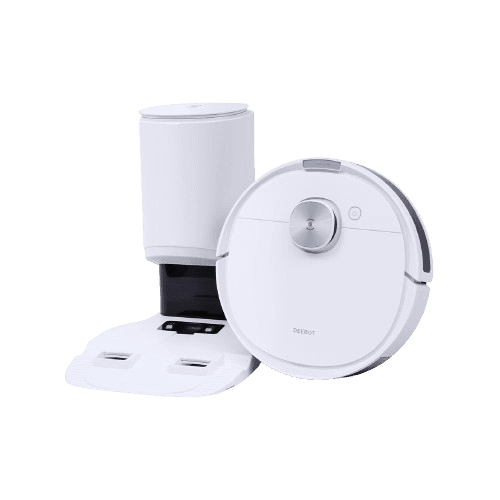
The 3800 Pa suction pressure is engineered through a high-speed brushless DC motor operating at 40W within the vacuum unit, optimized for a high motor-to-airway ratio. By minimizing internal air turbulence and using a sealed airflow path, the system maximizes static pressure at the nozzle interface. While this pressure rating is lower than heavy-duty corded canisters, it is specifically tuned for the proximity of the brush to the floor. This makes it exceptionally efficient at lifting fine road dust from granite and marble surfaces without the energy waste of high-wattage thermal loss common in older brushed motor designs.
The filtration architecture employs a 4-stage HEPA system designed to capture 99% of particles as small as 0.3 microns. Initial stages use a mesh filter for larger debris, followed by a foam layer and the final HEPA element to trap microscopic allergens and PM2.5 particles common in Indian cities. Because the filter is washable, users can maintain high airflow rates even after cleaning soot-heavy balcony areas or dust-prone window sills. This design prevents the motor from overheating due to back-pressure, ensuring consistent suction performance over the warranty period and extending the overall lifespan of the brushless components.
Powering this unit is a multi-cell lithium-ion battery configuration providing a nominal voltage of 14.8V to sustain the 330-minute runtime. The system utilizes a CC-CV charging protocol via the docking station to manage thermal profiles during the 6-hour recharge cycle. In practical Indian usage, the power management system balances current draw based on the surface type detected, increasing torque on carpets and reducing it on hard tiles. This trade-off ensures that the motor does not undergo deep discharge cycles frequently, preserving the battery's chemical health and providing enough capacity for multiple room-wide cleaning passes.
The wet and dry separation mechanism involves a precision-controlled water pump and a dedicated mop pad assembly that works in tandem with the suction inlet. A baffle design within the internal dustbin prevents moisture from reaching the primary motor, protecting the electronics from humidity-induced short circuits. After wet cleaning tasks on kitchen tiles or marble floors, the mop pads should be removed and cleaned to prevent bacterial growth. This integration allows the device to lift dried mud and light spills simultaneously, though it is not designed for deep flood extraction or heavy industrial liquid spills.
The auto-empty station features a secondary 1000W motor designed to create a high-velocity vacuum loop that extracts debris into a 2.5L hypoallergenic bag. This technical mechanism utilizes a dual-path design to ensure that the internal bin is completely cleared of pet hair and fine dust without any clogging in the transfer ports. For Indian users dealing with heavy seasonal dust, this automated transfer significantly reduces the maintenance burden compared to manual-empty cordless models. The station acts as both a charging hub and a dust containment system, keeping allergens trapped within the sealed environment.
Constructing the chassis from high-impact ABS plastic ensures the 8 kg unit remains durable against accidental collisions with heavy Indian furniture. The ergonomics are centered on the docking station's parking position, which requires minimal floor footprint while providing a stable base for the 12 kg total system weight. Large rubberized wheels allow the unit to traverse door thresholds up to 20mm, making it suitable for apartments with varying flooring heights. The deebot n10 plus represents a shift toward structural longevity and automated convenience, making it a robust engineering solution for modern households that prioritize cleanliness.