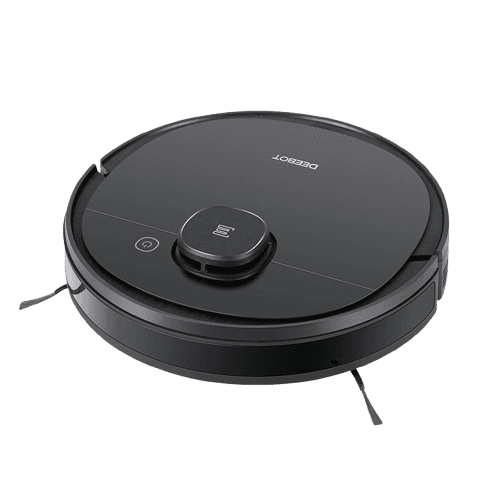
The suction architecture of this cordless vacuum cleaner is centered around a 40 W brushless dc motor, which is engineered to maintain a consistent 1500 Pa of pressure. While this numerical value appears lower than high-wattage corded units, the engineering focus here is on the motor-to-airway ratio. By minimizing the distance between the suction inlet and the debris chamber, the system reduces air resistance and maximizes static pressure at the floor level. This makes it highly efficient for lifting fine road dust and hair from hard tiles and thin carpets, though it may struggle with heavy, deeply embedded gravel. The brushless design ensures longevity by reducing internal friction during operation.
The filtration system utilizes a Single-stage-stage HEPA assembly designed to intercept particles as small as 0.3 microns. In the context of Indian urban environments, where PM2.5 levels are a frequent concern, this architecture is vital for preventing the recirculation of fine dust into the living space. The filter captures dander, pollen, and microscopic dust mites that thrive in tropical climates. Because the system is bagless, the airflow remains relatively constant until the 430 ml bin reaches its capacity limit. Maintaining the washable components of this filtration stage is essential for ensuring that the vacuum continues to exhaust clean air during daily cleaning routines.
Powering the device is a high-capacity lithium-ion battery system that facilitates a remarkable 200 minutes of runtime. This is achieved through a 14.4 V cell configuration managed by a CC-CV (Constant Current-Constant Voltage) charging protocol, which protects the cells from overheating during the 5-hour charge cycle. The engineering trade-off for such an extensive runtime is a controlled motor draw, prioritizing endurance over raw, high-wattage bursts. For Indian users, this means the unit can comfortably cover a large 3BHK apartment in a single session. This endurance is particularly beneficial for deep-cleaning sessions where multiple passes are required to remove stubborn grime from floor joints.
This cordless vacuum cleaner features a sophisticated wet and dry separation mechanism, utilizing the OZMO mopping pad for simultaneous cleaning. The internal baffle design ensures that liquid moisture from the mopping pad does not enter the 40 W motor housing, preventing electrical shorts or corrosion. The 430 ml dust bin is separated from the water reservoir to maintain hygiene and prevent the formation of sludge within the vacuum body. After performing wet cleaning on kitchen tiles or entryway spills, users must clear the moisture paths to prevent odor buildup. This dual-function engineering allows for a more comprehensive floor treatment compared to dry-only suction models.
Although this specific model lacks a dedicated blower function, it compensates with a dual side brush system and a specialized pet hair tool. The technical mechanism involves counter-rotating brushes that sweep debris from corners and wall edges into the main suction path. In Indian households where AC vent grime and ceiling fan dust often settle on the floor, these brushes ensure that the 1500 Pa suction can capture peripheral dirt efficiently. The pet hair tool uses a tangle-free intake design to prevent long fibers from wrapping around the brush roll. This focus on mechanical agitation ensures high pick-up rates even without the concentrated airflow of a blower.
Constructed primarily from high-grade ABS plastic, the chassis is built to withstand the rigors of daily use while weighing in at 4.4 kg. The ergonomic design focuses on a low center of gravity, which aids in maneuverability across different surface types like marble, granite, and low-pile rugs. The parking position and handle geometry are optimized to reduce wrist strain during the extended 200-minute cleaning cycles. The inclusion of specialized attachments like the main brush and mopping pad provides a complete modular solution for domestic maintenance. Ultimately, the deebot ozmo 950 represents a balanced engineering approach that prioritizes operational longevity and multi-surface versatility for the modern Indian home.