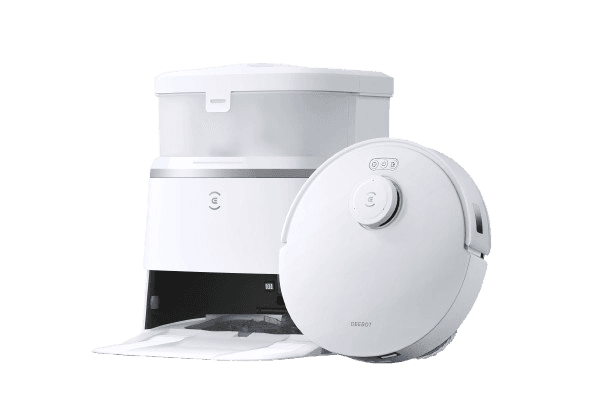
The 11000 Pa suction pressure is achieved through a 60 W high speed motor optimized for static pressure rather than high-volume airflow. This specific motor-to-airway ratio ensures that even at lower wattages, the vacuum generates enough lift to extract heavy particulates like sand and dried mud from tile grout. Engineering trade-offs focus on a streamlined air path that minimizes turbulence, allowing the 60 W motor to perform effectively against fine road dust. This makes the device ideal for hard floor maintenance and surface-level carpet cleaning, though it may struggle with deep-pile carpet extraction compared to high-wattage corded units.
The filtration architecture employs a 3-stage-stage HIGH_EFFICIENCY_FILTER system designed for the high-particulate environments found in India. The initial stage captures large debris and hair, while the secondary mesh stabilizes the airflow before the high-efficiency material traps PM2.5 particles. Because the filter is washable, users can maintain the pressure differential required for suction without frequent replacements. This is critical for Indian households where fine dust can clog standard filters within weeks. The design ensures that exhaust air is cleaner than the intake, preventing the recirculation of allergens during daily operation cycles.
Operating on a high-capacity battery system, the unit provides 210 minutes of runtime, which is managed via a CC-CV charging protocol. This charging method balances the heat generation across the cells during the 5-hour charge cycle, extending the overall battery lifespan. The energy management system throttles the 60 W motor draw to ensure consistent performance throughout the discharge curve. For Indian users, this means the unit can cover a standard 3BHK layout on a single charge. Users should ensure the station is placed in a ventilated area to dissipate heat during the intensive charging phase.
The wet and dry functionality utilizes a baffle design within the 300 ml bin to separate liquid intake from the motor assembly. Motor protection is prioritized through a moisture-sensing shut-off that prevents water ingress into the internal electronics. The truedge adaptive edge mopping pads provide constant downward pressure to scrub away dried spills on hard floors. Maintenance after wet use is essential; the pads and the internal bin must be dried to prevent microbial growth. This mechanical mopping system provides a significantly more hygienic result than manual mopping by using fresh water during the cycle.
Rather than a blower function, this cordless vacuum cleaner focuses on mechanical agitation through its main brush and side brush system. The TruEdge adaptive edge mopping pads extend outwards to reach the intersection of floor and wall, a common area for dust accumulation in Indian apartments. This mechanical reach compensates for the lack of high-velocity air movement in corners. By using a physical contact method for cleaning edges, the device ensures that stubborn grime, such as AC vent residue that falls to the floor, is effectively scrubbed and vacuumed into the 2.5 L OMNI station.
Constructed primarily from high-impact ABS, the 14.5 kg chassis is built to withstand the rigors of frequent impacts with furniture. The ergonomics of the OMNI station allow for easy access to the 2.5 L bagged dust capacity, which minimizes the frequency of manual emptying. The 63 dB noise level is achieved through acoustic dampening around the motor housing, making it significantly quieter than entry-level corded models. The integration of high-quality wheels and sensors ensures the unit navigates complex Indian floor plans without getting stuck. Ultimately, the deebot t30 pro omni represents a shift toward durable, low-noise autonomous home cleaning.