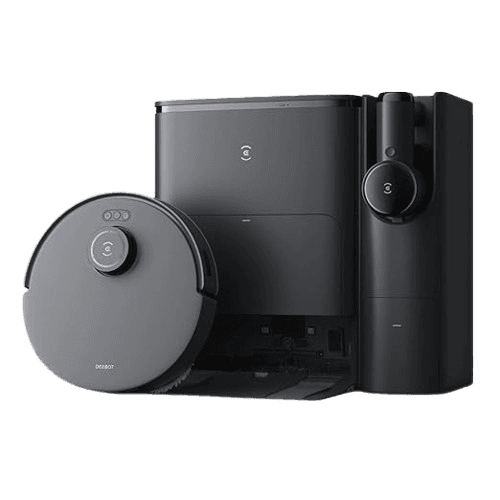
The 11,000 Pa suction pressure is achieved via a 45 W brushless dc motor optimized for a high motor-to-airway ratio. By focusing on static pressure over raw airflow, the engineering team has enabled the device to pull debris from deep crevices in tile floors and carpet piles. While the wattage may seem low compared to corded units, the brushless design minimizes frictional losses, directing energy toward turbine rotation. This makes it ideal for extracting fine road dust and pet hair, though it may require multiple passes for heavy construction debris. This balance ensures longevity without overheating components during extended use.
The filtration architecture employs a 3-stage-stage HEPA system designed to manage the unique particulate profile of Indian homes. The initial stage captures larger debris like hair and food crumbs, while the secondary mesh filters out finer dust. The final HEPA stage is rated to capture microscopic allergens and PM2.5 particles, which is critical for urban dwellers. Because the construction is washable, users can maintain peak airflow by removing the accumulated fine dust that often clogs traditional paper filters. This engineering choice lowers the total cost of ownership by extending the lifespan of the filtration medium significantly.
Power management is handled by a lithium-ion cell configuration delivering 14.4 V to the motor assembly. The system utilizes a Constant Current-Constant Voltage (CC-CV) charging protocol to protect cell chemistry over its lifespan, resulting in a 4-hour recharge time. With a total runtime of 155 minutes, the engineering focuses on energy density to ensure the motor can sustain high suction without premature voltage drops. For Indian users, this means the unit can handle a full house cleaning session on a single charge. The intelligent power distribution prevents the battery from overheating even during the high-torque cycles required for carpet cleaning.
The wet and dry separation mechanism utilizes an internal baffle design to prevent moisture from reaching the 45 W brushless dc motor. With a 275 ml bagless robot bin and additional capacity in the handheld component, the system manages liquid spills alongside dry particulates. Post-wet-use maintenance is simplified by the modular bin design, which allows for quick rinsing to prevent odor buildup from stagnant water. This dual-function engineering is particularly useful in Indian kitchens where spilled liquids and dry spices often mix, requiring a vacuum that can handle heterogeneous waste streams without clogging the intake ports.
Rather than a blower function, this unit prioritizes mechanical agitation via the zerotangle power brush. This attachment uses a specific comb-like structure to prevent long hair and thread from wrapping around the roller, a common failure point in standard vacuums. This technical mechanism is specifically beneficial for Indian households where long hair and fabric fibers from traditional carpets are prevalent. By maintaining a clear intake path, the vacuum ensures that the 11,000 Pa suction remains unobstructed. This mechanical advantage ensures that the device maintains consistent performance over years of daily operation without manual brush cleaning.
The chassis is constructed from high-grade ABS plastic, contributing to a total system weight of 20.5 kg which includes the automated docking station. The handheld component's ergonomic handle design distributes weight toward the wrist to reduce fatigue during high-reach tasks like cleaning AC vents or curtain rods. The parking position on the dock is engineered for a small footprint, making it suitable for compact 1BHK or 2BHK apartments. Every joint and attachment point is sealed with silicone gaskets to prevent suction leaks. Ultimately, the deebot t30s combo is engineered for users who demand professional results within a consumer-friendly, durable frame.