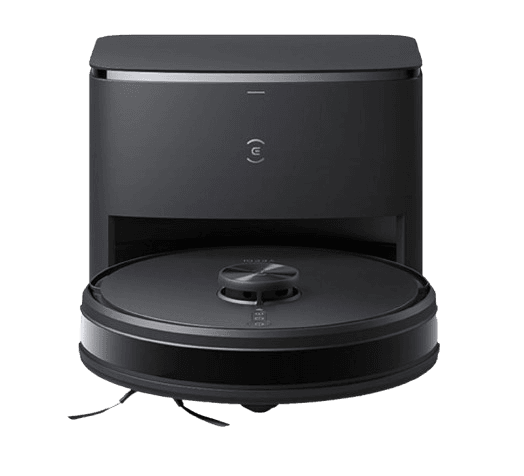
The 6500 Pa suction pressure is achieved through a 35 W brushless DC motor that prioritizes high static pressure over raw air volume. This engineering choice is critical for Indian homes where fine road dust settles deep into floor crevices and carpet fibers. The motor-to-airway ratio is optimized to maintain velocity even as the 3-stage-stage HEPA filter accumulates particles. By utilizing a brushless design, the unit reduces internal friction, allowing the modest wattage to translate more effectively into suction force. This makes it ideal for lifting heavy sand and fine dust, though it may struggle with very large debris compared to high-wattage corded units.
Filtration architecture in this device utilizes a 3-stage-stage HEPA system designed for longevity and cost-efficiency. The initial mesh stage captures large debris, while the secondary layer handles mid-sized particles before the HEPA media traps PM2.5 pollutants and pet dander. Because the filter is washable, the airflow resistance can be reset by the user, preventing the motor from overworking. In the context of daily Indian use, where dust loading is significantly higher than in Western environments, the ability to clean the filter without purchasing frequent replacements is a major engineering advantage that preserves the motor’s thermal health over time.
The battery and power system rely on a high-density cell configuration providing a massive 300 minutes of runtime. This is achieved through a sophisticated power management system that balances the 14.4V output to the motor's demand. The 5-hour charging cycle utilizes a CC-CV (Constant Current-Constant Voltage) protocol to maximize the lifespan of the lithium-ion cells. For Indian users, this means the device can handle massive 3BHK layouts in a single session. The engineering trade-off for this runtime is the 3.0 kg weight, as the battery pack constitutes a significant portion of the chassis mass, requiring a sturdy handle design.
Wet and dry separation is managed through an internal baffle design within the collection bin, preventing moisture from entering the motor bypass. With its mopping pad and dedicated water flow logic, the unit can handle sticky spills on marble or tile floors common in Indian kitchens. The 5 L capacity in the auto-empty station is managed via a high-velocity suction path that clears the on-board bin into a sealed bag. This prevents the redistribution of dust during the emptying process. Maintenance is simplified, though users must ensure the mopping pad is dried thoroughly after wet-use to prevent microbial growth.
Since this model lacks a blower function, the engineering focus is redirected entirely toward the automated dust disposal and filtration sealing. The auto-empty station uses a secondary motor to generate the necessary vacuum to pull debris from the unit’s bin into the 5 L bag. This system is designed with a short, straight air path to minimize clogs from pet hair or larger debris. For users cleaning AC vent grime or ceiling fans, the consistent suction provided by this station-supported system ensures that the handheld component remains at peak efficiency without the user needing to manually empty the dusty bin frequently.
Weight, chassis, and ergonomics are defined by high-grade ABS construction, which provides impact resistance while keeping the unit at 3.0 kg. The center of gravity is balanced to allow for comfortable transition between floor cleaning and handheld upholstery tasks. The inclusion of a 1-year manufacturer warranty suggests a high degree of confidence in the structural integrity of the joints and the motor's duty cycle. For Indian buyers, the combination of a high-capacity auto-empty station and a long-runtime battery makes the deebot y1 pro plus a sophisticated choice for those prioritizing automated convenience and long-term running cost reduction.