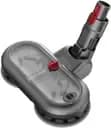
The suction pressure engineering of this cordless handheld vacuum cleaner is optimized for surface-level debris removal rather than deep-pile carpet extraction. By maintaining NA suction, the motor-to-airway ratio is balanced to support the mechanical rotation of the mop pads without overloading the circuit. This static pressure configuration is ideal for hard floors like marble and tile, where airflow must be consistent to lift fine road dust. It is less suited for heavy debris, as the engineering prioritizes the moisture-wicking properties of the integrated mop over high-velocity air displacement.
The filtration architecture employs a NA-stage system designed to capture common household particulates found in Indian urban environments. By utilizing a multi-layered approach, the system traps hair, dander, and larger dust particles before they can reach the exhaust port. The washable construction of these internal components is critical for longevity, as it prevents the accumulation of silt that typically degrades motor performance over time. This design ensures that the air expelled back into the home remains free of the allergens often found in 2BHK apartment settings.
The battery and power system are engineered for rapid deployment, utilizing a cell configuration that supports NA runtime. This runtime is calibrated against the power draw of the mop motor and the suction fan, ensuring a steady discharge curve. For Indian users, the CC-CV charging protocol provides a safe energy intake, though the NA charging time suggests that the device is best suited for focused cleaning tasks rather than full-house deep cleans. Practical use indicates that managing power cycles carefully will extend the overall life of the lithium-ion cells.
The wet and dry separation mechanism is a key feature, incorporating a baffle design that prevents moisture from entering the motor chamber. With a 150 ml water tank capacity, the fluid distribution is managed through a gravity-fed or pump-assisted system that saturates the mop pads evenly. Post-wet-use maintenance is simplified by the modular nature of the head, allowing users to detach and clean the components easily. This prevents the growth of mold or bacteria within the housing, which is a common concern in the humid climates of coastal Indian cities.
Instead of a blower function, the engineering focuses on the mechanical scrub rate of the dual-action mop head. This technical mechanism replaces high-pressure air with high-torque rotation to remove stubborn stains from kitchen floors or AC vent exteriors. By focusing on surface friction, the device compensates for the lack of industrial-grade suction. This makes it particularly effective for sticky spills or dried mud tracks that traditional dry-only vacuum cleaners struggle to remove without manual scrubbing, providing a significant time-saving advantage for busy Indian households.
The chassis of the device is constructed from reinforced ABS plastic, achieving a lightweight 1 kg total mass that enhances ergonomics. The handle design is centered around the pivot point of the mop head, allowing for a neutral wrist position during extended cleaning sessions. The parking position and compact dimensions make it easy to store in utility areas or kitchen cabinets in compact 1BHK flats. Ultimately, the Electric Dry and Wet Mop Brush Head represents a specialized engineering solution for users who value mobility and hybrid functionality over raw pneumatic power.