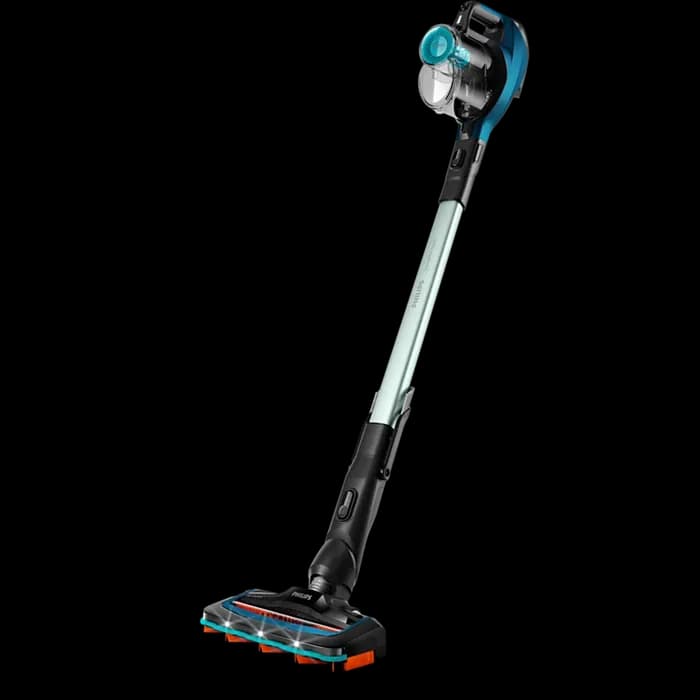
The suction pressure of 8000 Pa is generated by a high-torque 120 W dc motor specifically wound for consistent torque. This engineering configuration prioritizes static pressure over high-volume airflow, which is critical for pulling fine dust out of dense upholstery fibers. By maintaining a narrow motor-to-airway ratio, the device ensures that suction remains stable even as the 1 L bin fills. This makes it ideal for extracting road dust from sliding window tracks and balcony doors common in Indian cities. Users will find the power output perfectly balanced for spot cleaning without excessive heat generation during the 30-minute runtime.
Filtration architecture consists of a single-stage HEPA system designed for high particulate retention. The 1-stage HEPA filter is engineered to capture 99.97% of particles as small as 0.3 microns, including pollen and pet dander. Crucially, the washable construction of the filter frame allows Indian users to rinse away sticky grime accumulated from oily kitchen air or heavy monsoon humidity. This washable nature eliminates the need for expensive proprietary filters, ensuring the unit remains cost-effective. Frequent rinsing maintains optimal airflow and prevents the motor from straining against clogged pores, extending the operational lifespan of the internal components.
The battery system utilizes a 12 V cell configuration optimized for a steady discharge rate. This provides a reliable 30-minute runtime, which is sufficient for cleaning a car interior or a large sofa set. The power management circuit employs a CC-CV charging protocol to fully replenish the cells in just 2 hours, a relatively fast turnaround for this segment. For Indian users, this means the device can be used twice daily—once for morning dusting and once for evening spills—with a quick midday charge. The balance between motor draw and battery capacity prevents deep discharge, helping maintain cell health over hundreds of charge cycles.
Wet and dry separation is managed through a baffle design within the 1 L bagless container. When liquid spills are vacuumed, the air-water mixture is forced through a centrifugal path where droplets drop into the reservoir while dry air proceeds toward the motor protected by a moisture-resistant barrier. This mechanism is particularly useful in Indian kitchens for cleaning spilled tea or dal from countertops. Maintenance is straightforward, requiring users to empty and dry the bin immediately after wet use to prevent odors. The generous 1 L capacity ensures that both liquid and dry debris can be managed in one session without frequent interruptions.
While this model lacks a blower function, it compensates with specialized mechanical attachments for physical agitation. The pet hair tool uses stiff-bristled surfaces to lift hair from fabric before the suction pulls it into the bin. Similarly, the crevice tool is engineered to maintain high air velocity at the tip, which is vital for dislodging dust from deep keyboard switches or thin AC vent fins. These tools are designed to snap securely onto the chassis, preventing air leaks that could drop the effective suction power. This mechanical focus ensures that the tool design works in harmony with the motor's power profile for targeted cleaning.
Ergonomically, the chassis is constructed from high-impact ABS plastic, keeping the total weight at a mere 0.45 kg. The handle design features a center-of-gravity balance that reduces wrist strain during extended overhead cleaning of curtain rods or ceiling fans. The parking position allows the unit to stand vertically for storage in tight apartment cupboards or car glove boxes. This lightweight construction does not compromise durability, as the shell is resistant to the vibrations generated by the 65 dB motor. Given its blend of filtration efficiency and physical portability, the EV 251 represents a sound engineering choice for modern urban maintenance.