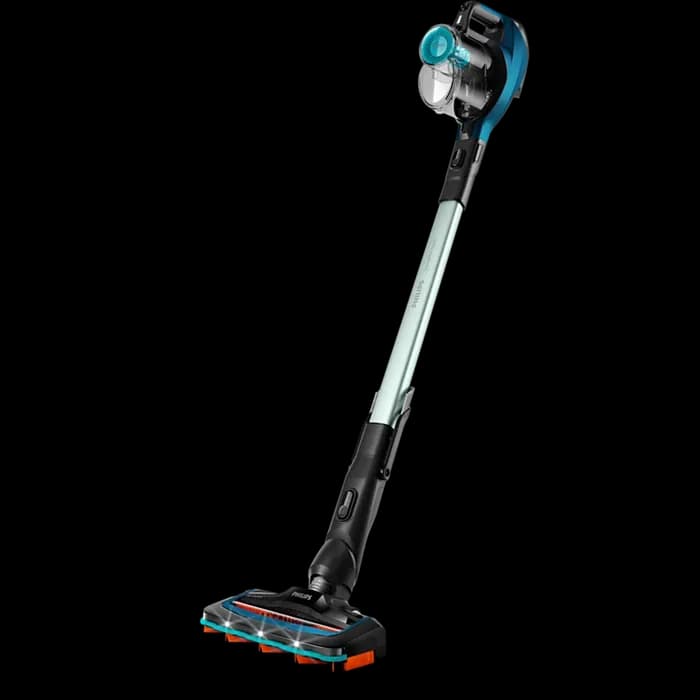
The engineering behind the 8000 Pa suction pressure relies on a high-speed 120 W dc motor that optimizes the motor-to-airway ratio for maximum static pressure. While larger corded units focus on high volume airflow, this cordless handheld vacuum cleaner prioritizes concentrated suction to pull fine particles from dense surfaces like car carpets or keyboard gaps. The 120W output is calibrated to prevent overheating while maintaining a consistent pressure curve throughout the 30-minute discharge cycle. This makes it ideal for targeted spot cleaning where localized suction is more effective than broad-stroke vacuuming. It successfully bridges the gap between low-powered toy vacuums and bulky industrial machines for Indian domestic needs.
The 1-stage HEPA filtration system is designed to intercept particles as small as 0.3 microns, which includes common Indian indoor pollutants like fine road dust and pollen. Unlike multi-stage cyclonic systems that add weight and bulk, this streamlined architecture keeps the unit at 0.45 kg while ensuring air exhausted back into the room is clean. The washable construction is a critical engineering choice for the Indian market, as it allows users to remove oily soot or kitchen grime that typically clogs disposable filters. Regular maintenance of the HEPA element ensures that the 8000 Pa suction remains unhindered by airflow resistance over long-term use.
Powering the 120W motor is a lithium-ion battery array configured for high-discharge efficiency, providing 30 minutes of continuous runtime. The system utilizes a CC-CV (Constant Current-Constant Voltage) charging protocol that enables a full 2-hour recharge time, significantly faster than many entry-level competitors. This engineering balance ensures that the motor receives a steady voltage, preventing suction drop-off as the battery depletes. For the average Indian user, this runtime-to-charge ratio allows for two full car interior cleanings or several days of light sofa dusting on a single charge. The battery management system further protects the cells from the voltage fluctuations common in Indian power grids.
The wet and dry separation mechanism is integrated into the 1 L bagless dust bin, utilizing a baffle design to protect the motor from moisture intake. When liquid is suctioned, the internal geometry slows down air velocity, allowing droplets to settle in the bin while air continues to flow toward the exhaust. This feature is particularly useful for cleaning minor spills in the kitchen or rain-dampened car mats during the Indian monsoon season. Post-wet-use maintenance is simplified by the bagless design, allowing users to rinse the entire collection chamber and filter to prevent bacterial growth. The 1 L capacity is generous for a handheld, reducing the frequency of emptying.
Instead of a blower, this model focuses on mechanical agitation through its specialized attachments, including a dedicated pet hair tool and a brush nozzle. The crevice tool is engineered to maintain high air velocity at the tip, which is essential for reaching into deep sofa folds or AC vent slats where dust accumulates. By omitting a blower, the engineers reduced the chassis complexity and weight, focusing entirely on suction efficiency for better dust containment. This design choice ensures that dust is captured rather than redistributed, which is a common issue with blower-based cleaners in dusty urban environments. The inclusion of these tools maximizes the utility of the 120W motor across various household surfaces.
The chassis is constructed from high-grade ABS plastic, achieving a total weight of just 0.45 kg, which minimizes wrist strain during overhead cleaning of curtain rods or high shelves. Its ergonomic handle is designed for a neutral grip, distributing the weight evenly to make the unit feel even lighter during operation. The 65 dB noise level is significantly quieter than corded alternatives, allowing for cleaning in 1BHK apartments without disturbing other residents. The compact footprint allows for easy storage in small cabinets or car boot side pockets. Ultimately, the EV 296 represents a focused approach to handheld cleaning where portability and suction efficiency are the primary design goals.