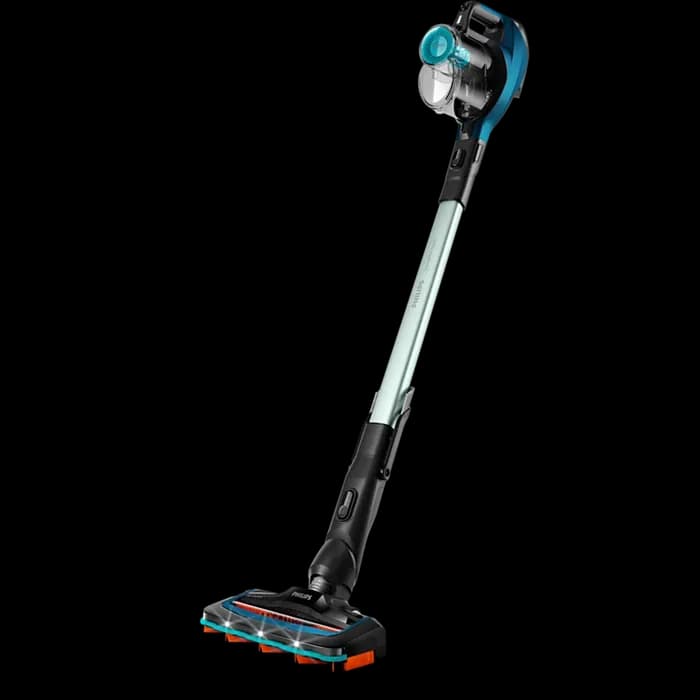
The 120 W DC motor in this unit is engineered to maximize static pressure, achieving a certified 8000 Pa rating. This suction level is optimized for a cordless handheld vacuum cleaner, where the ratio of motor wattage to internal airway diameter is critical. In technical terms, the impeller speed is calibrated to maintain high velocity through the nozzle despite the compact 0.45 kg frame. This makes the device highly effective for surface-level debris like fine dust and loose pet hair, though it lacks the deep-extraction power of 1000 W corded units. It excels at tasks where immediate, focused airflow is required.
The filtration architecture utilizes a 1-stage HEPA system that is specifically designed for the Indian environment's high particulate matter levels. This filter captures microscopic allergens and dust mites that typically circulate in 1BHK and 2BHK apartments. Because the filter is washable, users can maintain peak suction performance without frequently purchasing expensive replacements. The physical structure of the HEPA media allows for high air permeability while trapping particles as small as 0.3 microns. For Indian households facing seasonal dust storms, this filtration level prevents the recirculation of fine dust back into the living space, ensuring a hygienic environment.
Power is managed by a high-density battery array that delivers a consistent 30-minute runtime on a full charge. The charging circuit utilizes a CC-CV protocol via a standard port, requiring approximately 2 hours for a complete cycle from depletion. This 120 W system is tuned to prevent thermal throttling during continuous use, ensuring the motor does not lose RPM as the battery voltage drops. For practical use in Indian homes, this runtime is sufficient for cleaning two car interiors or a complete set of living room sofas. The efficiency of the power management system ensures that the lithium-ion cells maintain longevity.
The wet and dry separation mechanism is a core engineering feature that protects the 120 W motor from moisture damage. It employs a physical baffle system within the 1 L bagless bin to divert liquids away from the suction fan. While the total bin capacity is 1 L, the liquid intake limit is lower to prevent overflow into the electronic housing. After using the device for wet spills like spilled tea or kitchen counter water, the filter must be dried completely to prevent mold growth and maintain airflow. This dual-capability design provides a significant advantage for Indian kitchens.
Although this model omits a dedicated blower function, it compensates with a highly focused suction path that increases nozzle velocity. The absence of a blower simplifies the internal ducting, reducing air turbulence and noise levels, which are measured at 78 dB. The provided crevice tool and brush attachments are engineered to concentrate this airflow into tight spaces, such as WFH keyboard switches and AC vent grilles. By focusing purely on suction efficiency, the engineering team has optimized the unit for picking up debris that heavier, multi-functional vacuums might overlook due to bulky nozzle designs. This ensures maximum pickup per watt.
The chassis is constructed from high-grade ABS plastic, which provides durability while keeping the total weight at 0.45 kg. This ergonomic design reduces wrist fatigue during extended overhead cleaning of ceiling fan blades or curtain rods. The balance point of the unit is centered around the handle, allowing for precise control when navigating the complex curves of a car dashboard or gear shifter area. Every component, from the latch of the 1 L dust bin to the motor housing, is designed for tool-less disassembly and cleaning. This user-centric engineering confirms the EV 343 as a reliable tool for Indian households.