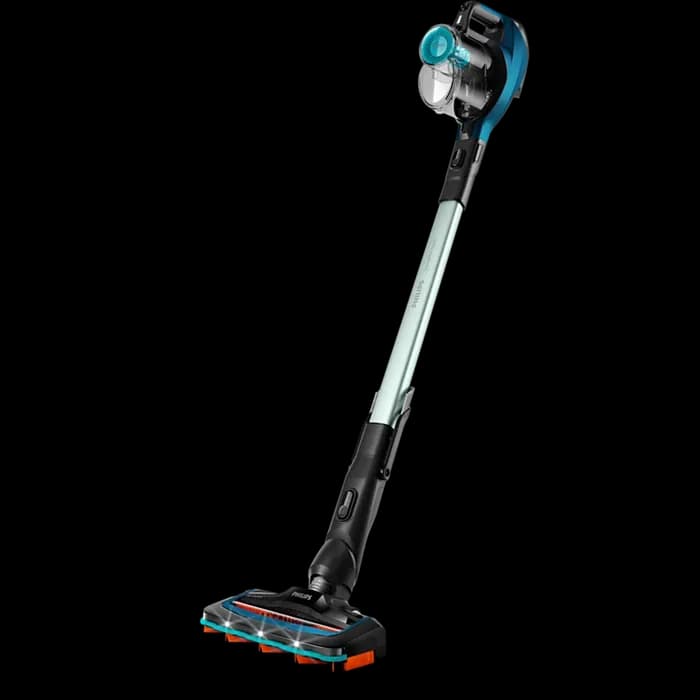
The 120 W DC motor is engineered to optimize the motor-to-airway ratio, allowing the impeller to generate a peak static pressure of 8000 Pa. This specific pressure level is calibrated to handle medium-density particles like sand and food crumbs without causing excessive battery drain. While the airflow is high for a 0.45 kg device, the trade-off involves a focus on localized suction rather than wide-area floor coverage. This makes the motor assembly highly efficient for targeted tasks like removing grit from sliding door tracks or fine road dust from car dashboards. The balance between torque and RPM ensures consistent performance.
The filtration architecture centers on a 1-stage HEPA system designed for high-frequency Indian use. Unlike multi-stage systems that might reduce suction through increased resistance, this single-stage approach maintains the 8000 Pa flow while capturing particles as small as 0.3 microns. The washable construction is a critical engineering choice, allowing users to rinse away fine dust that typically clogs standard filters. This ensures that the vacuum does not lose performance over time due to air resistance. For pet owners, this filter is essential for trapping dander and preventing it from recirculating, maintaining a hygienic environment in enclosed urban apartments.
Power management is handled by a lithium-ion cell configuration optimized for a 30 min runtime. The system utilizes CC-CV charging protocols via its internal circuitry, reaching a full charge in approximately 2 hours. This charging speed is significantly faster than many entry-level handhelds that require four hours. The 120 W motor draw is carefully balanced against cell capacity to prevent thermal throttling during continuous use. For Indian users, this means the device can handle a full car interior or a complete sofa set on a single charge. The electronics include overcharge protection to preserve battery health during typical overnight charging sessions.
The wet and dry separation mechanism utilizes a dedicated internal baffle design to protect the motor from moisture ingress. With a 1 L bagless bin, the device can accommodate small liquid spills alongside dry debris. However, the engineering focus remains on volume management; the 1 L capacity is shared, and users must ensure the bin is dried thoroughly after liquid pickup to prevent mold. This dual-purpose design is particularly effective for post-renovation dust that might be damp or for cleaning up spilled beverages on upholstery. The seals are reinforced to maintain vacuum integrity even when the bin contains fluid.
The attachment interface is designed for friction-fit security, ensuring zero air leakage at the connection points. The crevice tool is tapered to increase air velocity, which is vital for extracting grime from AC vents and keyboard switches. The brush nozzle provides mechanical agitation, which, combined with the 8000 Pa suction, lifts stubborn pet hair from fabric surfaces. These tools are molded from high-impact ABS to withstand the rigors of being stored in car trunks or utility closets. The engineering focus here is on ergonomic utility, allowing the unit to reach tight angles that larger floor vacuums cannot access.
The chassis is constructed from lightweight ABS, keeping the total weight at 0.45 kg to minimize user fatigue during overhead cleaning. The handle design follows ergonomic principles for a natural grip, reducing wrist strain during extended sessions. At a noise level of 65 dB, the acoustic engineering ensures the device is quiet enough for use in shared apartments without causing significant disturbance. The compact form factor allows for easy storage in kitchen drawers or car glove boxes. Ultimately, the EV 405 represents a highly focused piece of engineering that prioritizes power-to-weight ratio, making it a definitive choice for specialized household tasks.