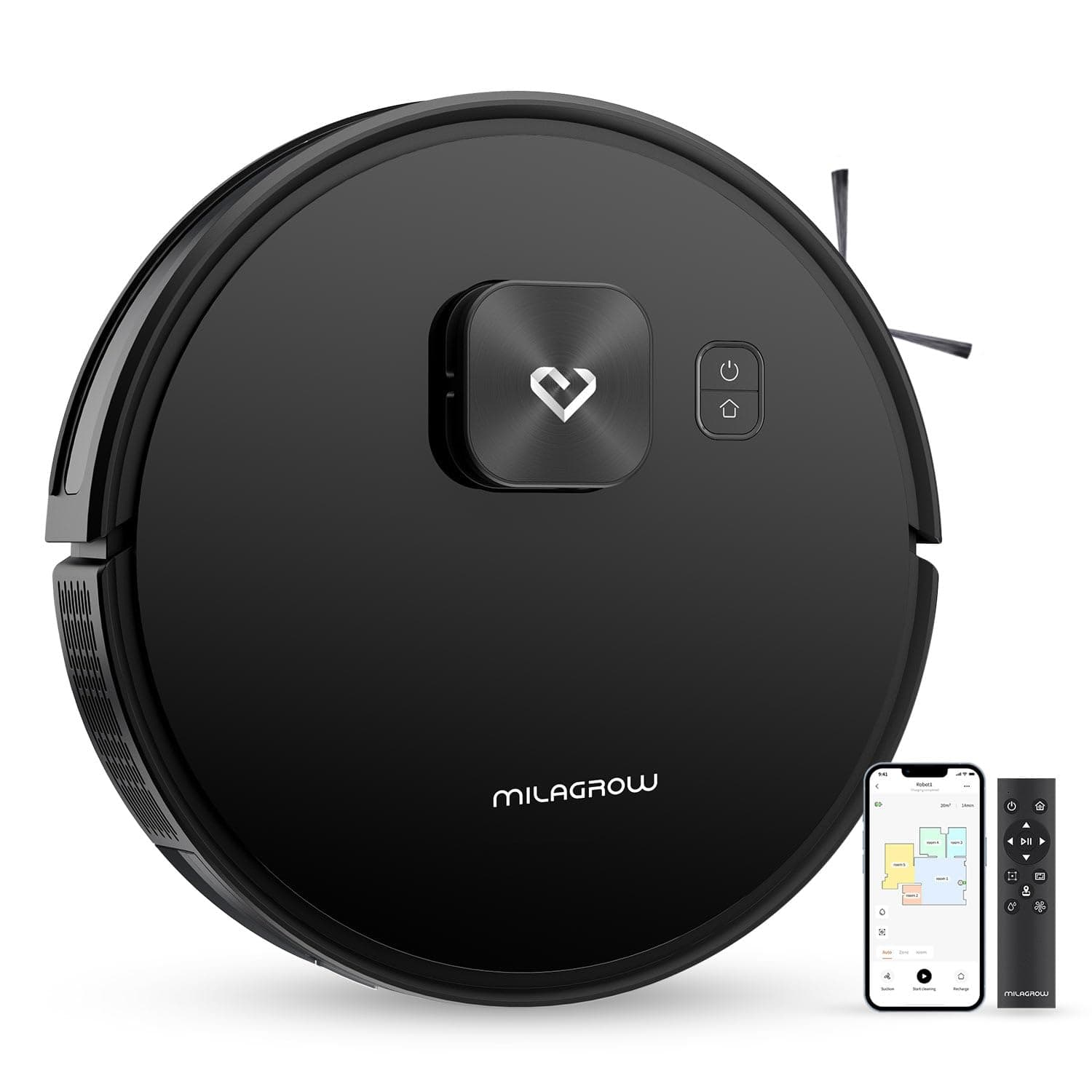
The engineering behind the 10 kPa suction pressure is rooted in a high-efficiency 45 W brushless DC motor. Unlike brushed motors, this design minimizes friction and heat, allowing for a more direct conversion of electrical energy into kinetic airflow. This specific motor-to-airway ratio is optimized for static pressure rather than raw volume, which is essential for lifting fine silica dust from cement floors common in Indian construction. While it lacks the raw force of a 1000W corded unit, its suction is concentrated at the nozzle interface, making it exceptionally effective for surface-level debris and pet hair without damaging delicate upholstery or mattress fabrics.
The filtration architecture employs a 3-stage HEPA system designed for longevity in high-dust environments. The initial stage captures large debris, while the secondary mesh protects the high-efficiency particulate air filter from premature clogging. The HEPA stage is rated to capture particles as small as 0.3 microns, which includes allergens like pollen and dust mites. Because the filter is washable, it circumvents the rapid degradation often seen with paper filters when exposed to the greasy, humid air of Indian kitchens or coastal cities. This construction ensures that exhaust air remains purified, preventing secondary pollution during intensive cleaning sessions.
Power delivery is managed by a high-capacity battery system that provides an industry-leading 240-minute runtime. This is achieved through a controlled 14.4 V cell configuration that utilizes CC-CV (Constant Current-Constant Voltage) charging to maximize battery health over its lifespan. The motor draw is carefully regulated to prevent voltage sag, ensuring that suction remains steady even as the battery depletes. For the Indian user, this means the device can handle an entire 3BHK deep-clean on a single charge, though the 5-hour recharge cycle suggests a nightly charging routine is most efficient for daily maintenance of high-traffic floor areas.
The wet and dry separation mechanism utilizes an internal baffle design within the 0.5 L dust bin to prevent liquid ingress into the motor housing. When vacuuming wet spills, the airflow is diverted through a moisture-trap path that separates liquid droplets from the air stream. This protection is critical for long-term motor reliability, especially when cleaning damp mud or bathroom tiles. After wet use, the 0.45 L effective liquid capacity requires immediate emptying and rinsing to prevent microbial growth. This dual-purpose capability makes the machine highly versatile for handling kitchen mishaps or spilled water on wood flooring without requiring separate tools.
The inclusion of a side brush and microfiber mop cloth represents a hybrid approach to surface cleaning. The side brush uses mechanical agitation to flick dust out of corners and away from baseboards, where static air pressure alone might struggle. Meanwhile, the microfiber mop attachment uses capillary action to lift stubborn, dried stains that vacuuming cannot remove. This combination is particularly suited for Indian homes where fine dust often forms a thin layer on tile surfaces. By integrating these mechanical aids, the vacuum compensates for its lower wattage compared to corded machines, providing a more comprehensive clean than suction-only models in the same category.
From an ergonomic perspective, the chassis is constructed from high-grade ABS plastic to balance durability with the 4.67 kg total weight. The weight distribution is centered near the handle to reduce wrist fatigue during vertical tasks like cleaning AC vents or curtain rods. The parking position and attachment storage are designed for small-space living, fitting easily into the utility areas of urban apartments. Every seal and joint is reinforced to maintain air pressure integrity, which is vital for preserving the rated suction over years of use. Ultimately, the iMap 16 Galaxy reflects a shift toward intelligent, low-friction engineering that prioritizes consistent runtime and user comfort over raw, noisy power.