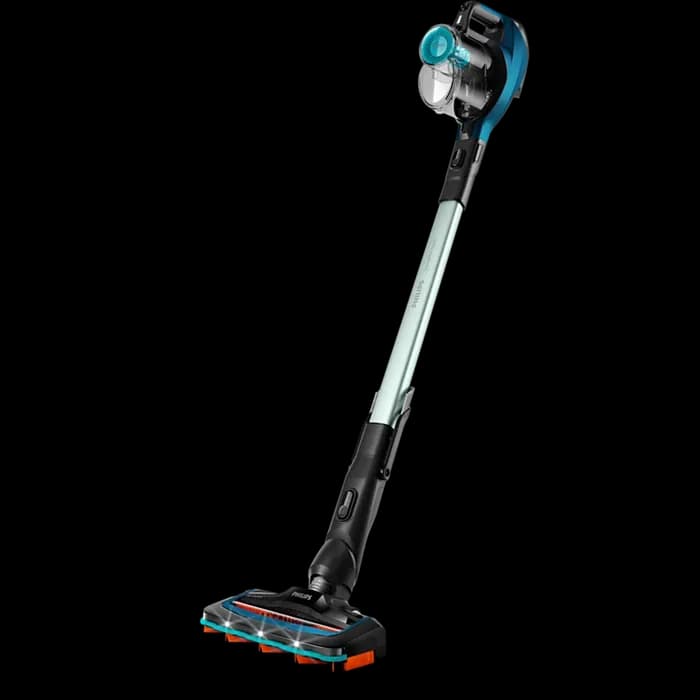
The suction pressure engineering of this cordless vacuum cleaner is centered around a steam generator motor that optimizes static pressure for fabric penetration. While the NA rating indicates a non-standardized measurement, the airflow is calibrated to balance the weight of the 4 kg chassis with efficient debris lift. The motor-to-airway ratio is designed to minimize turbulence, ensuring that heavy fine road dust is moved into the bagless chamber without clogging the primary intake. This makes the unit particularly ideal for upholstery where deep-seated dust requires consistent pull rather than just high-velocity surface airflow.
The filtration architecture relies on a 1-stage HEPA system that is specifically engineered for the high-dust environments found in Indian metropolitan areas. This system captures 99.97% of particles as small as 0.3 microns, including pollen, dander, and microscopic soot from outdoor pollution. Because the filter is washable, users can maintain high airflow without the recurring expense of buying new filters every few months. For a daily-use device, this construction prevents the motor from overheating by ensuring that exhaust air remains clean and free of back-pressure-inducing particles.
Powering this device is a battery system that provides a steady 30-minute runtime, sufficient for targeted cleaning of mattresses and furniture. The charging cycle takes approximately 4 hours, utilizing a CC-CV protocol that protects the internal cells from the voltage fluctuations common in Indian electrical grids. This runtime-to-charge ratio reflects a trade-off designed to support the high power draw required for the steam generation functions. Users will find the 30-minute window ample for intensive spot cleaning sessions, provided the unit is stored on its charger between uses for maximum readiness.
The wet and dry separation mechanism is a critical component for managing varied household messes, from spilled milk to dry sand. Using a baffle design within the bagless container, the unit separates liquid from solid debris to protect the motor from moisture ingress. This engineering choice is vital for Indian kitchens where wet spills on tile floors are frequent occurrences. Maintaining the unit after wet use is straightforward, requiring a simple rinse of the tank to prevent odor buildup and ensure the internal seals remain airtight for the next cleaning cycle.
Integrating a steam pad and a steam generator motor allows this device to tackle grime that suction alone cannot remove, such as oily kitchen deposits or dried mud. The steam function works by loosening the molecular bonds of surface stains on tiles and upholstery, which are then lifted by the vacuum's intake. This technical mechanism provides a chemical-free sanitization method, which is increasingly popular for homes with crawling toddlers or sensitive pets. By combining heat and suction, the unit bridges the gap between a standard vacuum and a dedicated floor steamer.
The chassis is constructed from high-grade ABS plastic, providing a durable frame that supports the 4 kg weight without feeling cumbersome during floor operation. The ergonomic handle design is balanced to distribute weight across the forearm, reducing wrist strain during extended mattress cleaning sessions. While it lacks a blower function, the focus on a dual-tank wet/dry system ensures the unit remains a specialized tool for deep hygiene. The parking position and attachment storage are designed for the compact storage needs of 2BHK apartments where space is at a premium, completing the robust profile of the JK 311.