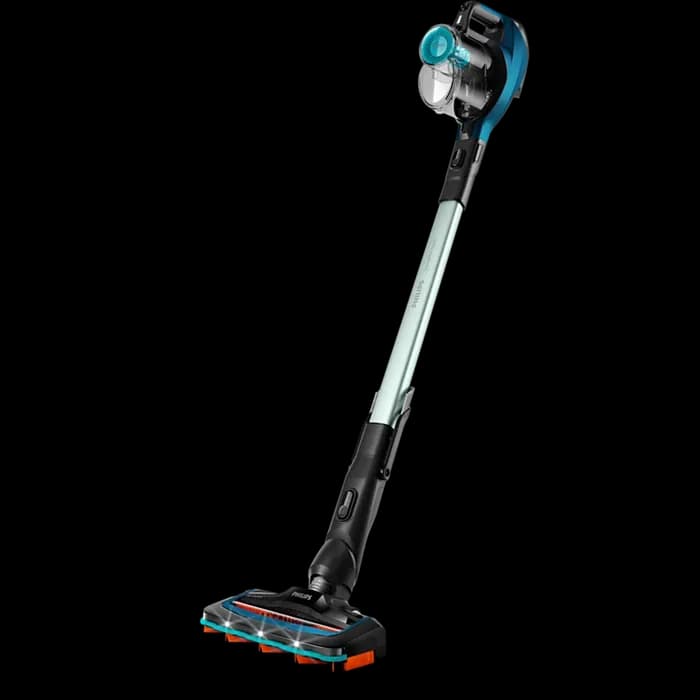
The suction architecture is driven by a brushless DC motor designed to optimize static pressure within a compact frame. Achieving 4000 Pa allows the unit to lift heavier particles like sand and spilled lentils from hard floors. However, this pressure is specifically calibrated for a cordless form factor, meaning the airway design must be exceptionally efficient to prevent suction loss over time. The motor-to-airway ratio is tuned to prioritize sustained airflow over raw peak pressure, making it ideal for surface-level debris rather than deep carpet extraction where higher vacuum levels are required for airflow resistance. This balance ensures the motor remains cool during operation.
The 2-stage HEPA system utilizes a primary cyclonic separator followed by a high-efficiency particulate air filter. This configuration captures 99.97% of particles as small as 0.3 microns, including fine road dust and pollen. The washable nature of the filter is a critical engineering choice for the Indian climate, where high humidity and heavy dust loads can quickly clog paper-based filters. Regular washing restores the airflow rate, ensuring the motor does not overheat due to backpressure. This dual-layer approach protects the internal electronics while maintaining air quality within enclosed 2BHK apartment spaces, ensuring that micro-dust is not recirculated into the room.
Power management is handled by a lithium-ion cell array providing a 120-minute runtime, which is highly competitive for this weight class. The 4-hour charging cycle utilizes a CC-CV protocol to maximize battery lifespan and prevent thermal runaway during the hot Indian summer. Since the motor draw is optimized for the 14.4V platform, users get consistent power until the final stages of the charge cycle. Engineering the balance between cell count and weight was necessary to ensure the device remains maneuverable for overhead AC vent cleaning while offering extended usage. This runtime allows for multiple cleaning sessions on a single full charge.
The wet and dry separation mechanism employs a physical baffle system within the 0.5 L bin to prevent liquids from reaching the motor housing. While it can handle damp spills and light mopping residue, the engineering is primarily focused on moisture separation rather than heavy fluid vacuuming. The included mop pad attachment works in tandem with the suction inlet to provide a single-pass clean on tile and marble surfaces. Users must empty and dry the bin immediately after wet use to prevent mold growth and maintain the structural integrity of the internal seals. This multi-phase capability increases the utility of the device in kitchens.
Attachment engineering includes a dedicated pet hair tool that uses mechanical agitation to lift fibers from fabric. The floor brush features a low-profile pivot, allowing it to reach under Indian-style furniture like diwans and low coffee tables. The docking station is designed for vertical storage, saving floor space in compact urban apartments. While the absence of a blower function limits its use for leaf clearing, the suction-based attachments are sufficient for most indoor dust-heavy zones, including window tracks and bookshelves where fine grit tends to settle over time. Each tool is designed for friction-fit security to ensure zero air leakage during high-pressure operation.
The chassis is constructed from high-impact ABS plastic, balancing durability with a manageable 2.65 kg weight. The ergonomic handle is positioned at the center of gravity to reduce wrist strain during extended cleaning sessions. The translucent 0.5 L dust cup uses a one-touch release mechanism for hygienic disposal of waste, minimizing contact with dust. Every seal is tested to maintain the integrity of the 4000 Pa pressure loop, ensuring no bypass leakage occurs. In summary, the lvac voice nuo represents a refined engineering solution for users transitioning from traditional brooms to more efficient, automated cleaning methodologies that prioritize air hygiene and convenience.