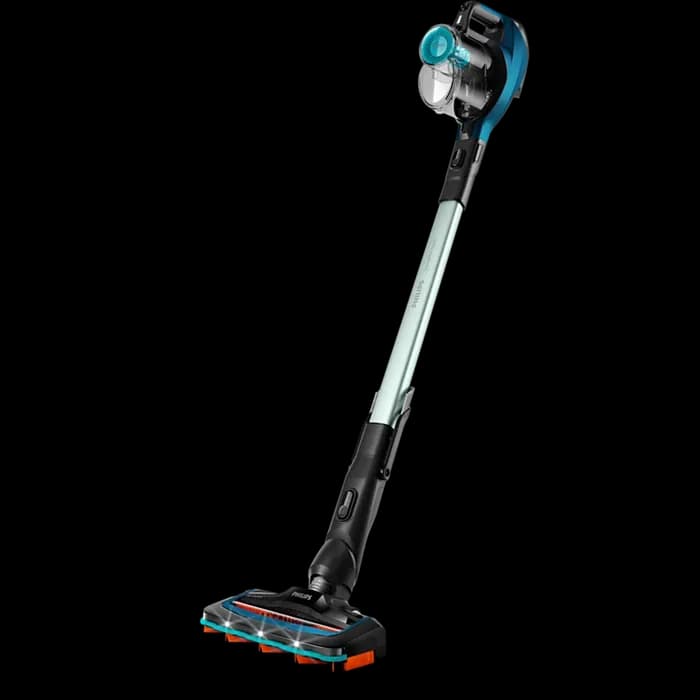
The suction pressure engineering of this cordless handheld vacuum cleaner is dictated by the interaction between the NA motor and the aerodynamic profile of the bristles. Unlike standard units, the motor-to-airway ratio here is optimized for high static pressure to dislodge heavy Indian road dust rather than just moving air. This design ensures that the static pressure remains constant even when the brush encounters resistance from thick carpet fibers. While it may not match the raw airflow of industrial units, the specific torque allows for precise debris collection in confined spaces. This makes it ideal for edge cleaning but less suitable for large-scale debris.
The filtration architecture utilizes a NA-stage system designed to capture particulates common in urban Indian environments, such as PM2.5 and fine silt. Each stage is engineered to handle specific particle sizes, from large hair strands to microscopic dander, ensuring the motor remains protected from internal grime. The washable construction is a critical engineering choice for Indian users, as it allows for the removal of oily kitchen soot and outdoor pollutants without requiring frequent filter replacements. This multi-stage approach ensures that exhausted air is cleaner than the intake, which is vital for maintaining indoor air quality in smaller apartments.
Regarding the battery and power system, the NA cell configuration is balanced to provide consistent current to the motor without voltage sag during heavy load. Using a CC-CV charging protocol, the system maximizes the longevity of the cells, which is particularly important in the fluctuating temperatures found in many Indian cities. The runtime versus motor draw trade-offs have been calculated to provide maximum efficiency during high-torque sweeping tasks. For practical use, Indian users should ensure a full charge cycle to maintain the chemical health of the power pack, ensuring the unit is always ready for quick spot-cleaning sessions.
The physical design lacks a wet/dry separation mechanism, focusing instead on a robust dry-only baffle system that prevents backflow of dust. This baffle design is essential for protecting the internal motor from the fine, abrasive dust found in Delhi or Mumbai. The bagless dust bin relies on centrifugal force to separate air from debris, ensuring the intake remains clear even as the bin fills. While it does not support liquid pickup, the precision of the dry-collection system is optimized for household grime and dry spills. Maintaining the bin's cleanliness after each use prevents the motor from overheating during prolonged sessions.
Since this model does not feature a blower function, the engineering focus is entirely on the rotational physics of the side brushes. The technical mechanism involves a high-torque gearbox that maintains brush speed even on high-friction surfaces like carpets or rough stone flooring. This is particularly useful for cleaning AC vent grime that has settled and hardened over time. Compared to pure-suction models without brushes, this design mechanicalizes the cleaning process, ensuring that dust is actively scrubbed from the surface before being suctioned. This mechanical agitation is the key differentiator for removing stubborn dirt in high-traffic Indian homes.
The chassis is constructed from high-grade ABS, providing a lightweight yet durable frame that weighs only 0.0119 kg. This material choice ensures that the cordless handheld vacuum cleaner can withstand accidental impacts against furniture or walls in a crowded 1BHK or 2BHK layout. The ergonomic handle design allows for comfortable maneuvering during extended cleaning of mattresses or upholstery. Additionally, the parking position of the internal components ensures that the center of gravity remains low, reducing wrist strain for the user. Ultimately, the Mi Robot Vacuum Side Brushes Compatible with Mi Robot Vacuum Mop P stands as a well-engineered solution for automated maintenance.