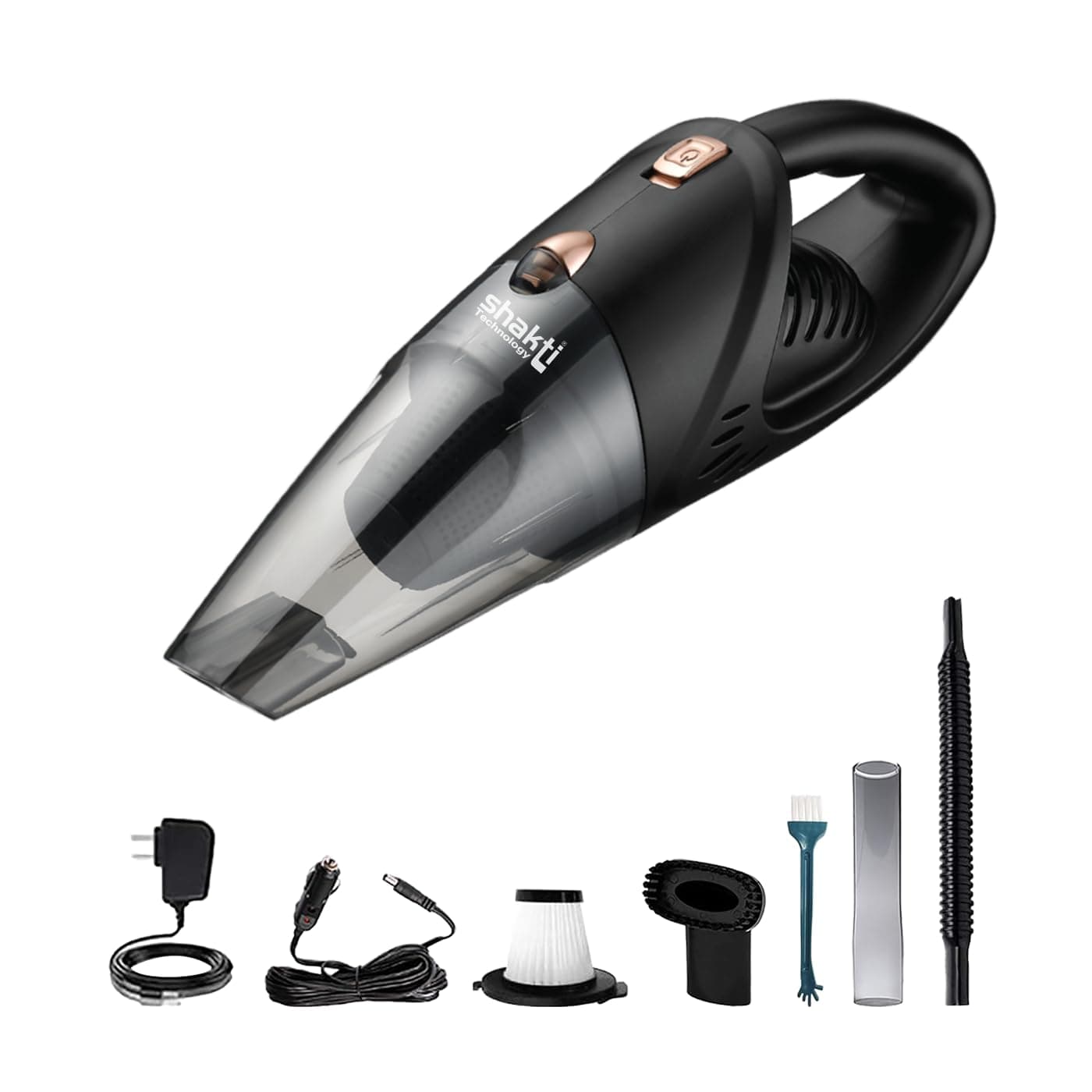
The 5500 Pa suction rating is derived from a 120 W universal motor spinning at high RPMs to create a localized low-pressure zone. In engineering terms, this vacuum prioritizes static pressure over high-volume airflow, which is necessary for lifting dense debris from car floor mats. The motor-to-airway ratio is optimized to ensure that the 1.5 kg frame does not vibrate excessively while maintaining consistent draw. While it lacks the sheer power for deep-pile carpet extraction found in 1000W+ corded units, it excels at surface-level pick-up of road dust. This balance ensures the motor operates within safe thermal limits during its 22-minute run cycle.
The filtration architecture relies on a single-stage HEPA system designed for high particulate retention. By using a pleated material, the filter maximizes surface area within a compact diameter to capture particles as small as 0.3 microns. For the Indian consumer, the washable nature of this filter is a critical engineering advantage, as it prevents the pore-clogging typically caused by fine construction dust. Regular washing maintains the pressure differential across the filter, ensuring the motor does not face back-pressure that could lead to premature failure. This design emphasizes long-term mechanical reliability over the planned obsolescence seen in disposable-filter models.
Power delivery is managed by a multi-cell battery configuration providing a 22-minute operational window. The charging circuit utilizes a CC-CV protocol, requiring 4 hours to reach full capacity from a total discharge state. This timeframe is dictated by the thermal management of the cells to prevent overheating during the energy intake phase. Engineers have balanced the weight of the battery pack against the 120W draw of the motor to ensure the center of gravity remains near the handle. This ergonomic consideration reduces wrist strain during extended cleaning sessions of ceiling fans or high shelves in typical Indian homes.
The wet and dry separation mechanism utilizes an internal baffle to divert liquid droplets away from the motor housing and into the 0.5 L bin. This physical barrier is essential for protecting the universal motor from short-circuiting when vacuuming spilled water or tea. However, the airflow path is narrower in wet mode, which requires the user to empty the bin promptly to maintain suction efficiency. The 0.45L effective wet capacity is sufficient for minor household mishaps but requires immediate post-use drying of the filter to prevent mildew. This robust separation logic ensures the device remains a versatile multi-tool.
A secondary blower function is integrated by redirecting the motor exhaust through a dedicated rear port. This technical feature converts the motor's waste airflow into a concentrated stream, useful for dislodging debris from recessed areas like sliding window tracks or PC towers. Unlike pure-suction models that struggle with stuck-on grime in AC vents, the blower function uses kinetic energy to move particles into an open space where they can then be vacuumed. This dual-use of the 120W motor output increases the overall efficiency of the power plant, providing two distinct cleaning modes from a single energy source.
The chassis is constructed from high-impact ABS plastic, providing a lightweight yet durable housing for the internal components. At 1.5 kg, the structural integrity is maintained through internal ribbing that prevents the body from flexing under the vacuum's internal pressure. The handle design incorporates a natural grip angle that aligns with the user's forearm, distributing the weight evenly during dashboard or sofa cleaning. The choice of materials and the compact parking position reflect a design philosophy centered on small-space storage and rapid deployment. Consequently, the Shark Cordless 120W stands as a well-engineered solution for the practical realities of Indian urban living.