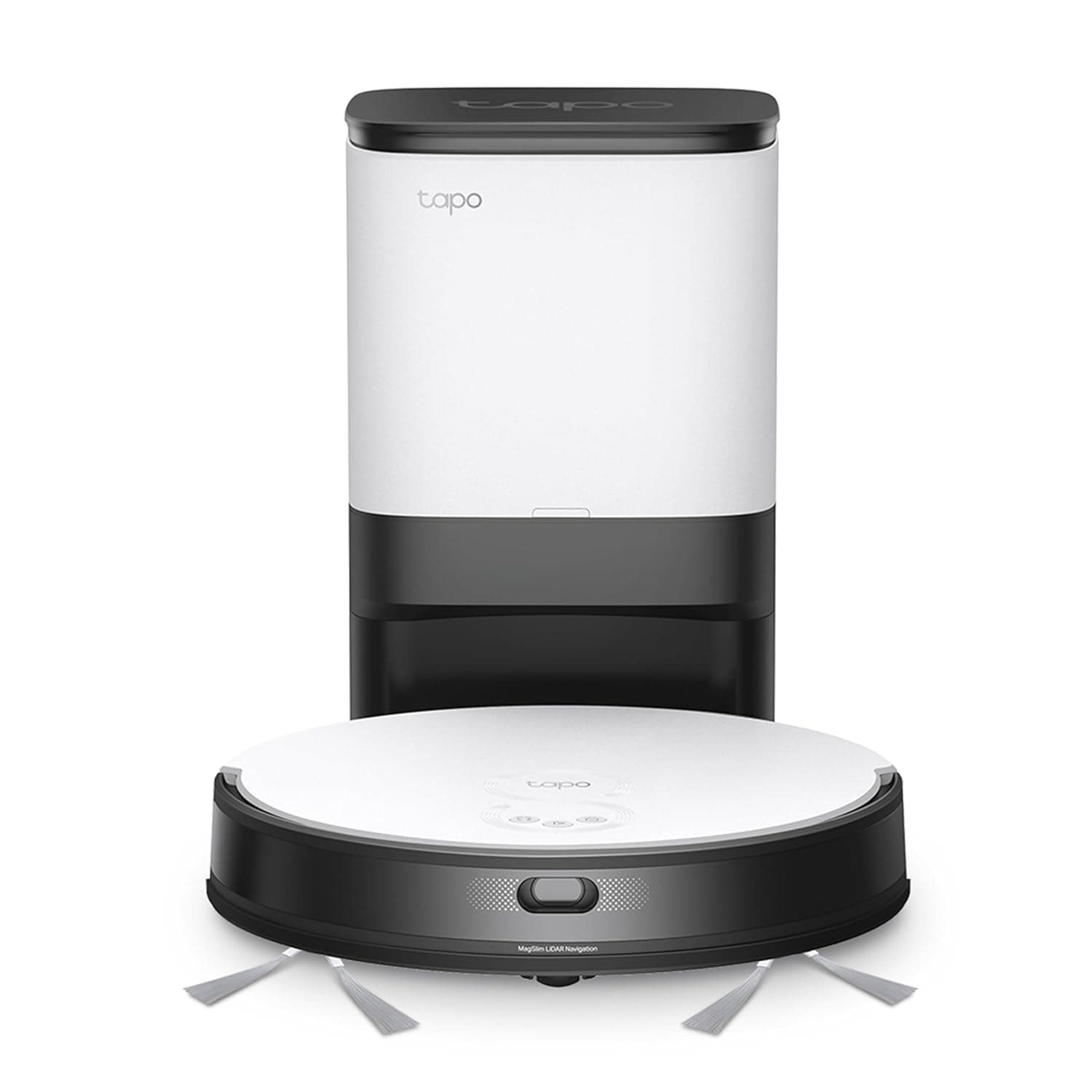
The suction pressure of this cordless vacuum cleaner is derived from a 45W brushless DC motor designed for high torque at low power consumption. Achieving 2.7 kPa from a 45W input requires a tightly sealed internal airway with minimal turbulence. This motor-to-airway ratio is optimized for static pressure, making it highly effective at pulling fine road dust from hard surfaces like tile and wood flooring. However, the trade-off for this efficiency is lower airflow volume compared to 1000W corded units, making it better suited for surface-level maintenance rather than deep-pile carpet extraction in large bungalows.
The filtration architecture utilizes a 3-stage HEPA system that progressively filters debris based on particle size. The initial stage captures large debris like hair and food crumbs, while the secondary mesh targets finer dust. The final HEPA stage is rated to capture particles as small as 0.3 microns, including pollen and pet dander. Because the filter is washable, it addresses the common Indian issue of filter clogging due to high ambient dust levels. This washable construction ensures the airway remains unobstructed, preserving the integrity of the 2.7 kPa suction over long-term use cycles.
Powering the device is a lithium-ion battery system configured for a 16.8V output, utilizing CC-CV (Constant Current-Constant Voltage) charging protocols via the 4-hour charging cycle. The 180-minute runtime is achieved by balancing the motor draw against the battery capacity, allowing for sustained low-intensity cleaning. For Indian users, this means the unit can handle multiple 1BHK cleaning sessions without needing a recharge. The thermal management system prevents the cells from overheating during extended sessions, though users should avoid using the wet mop function on excessively hot surfaces to maintain battery health.
The wet and dry separation mechanism employs a specific baffle design within the 0.4 L container to protect the 45W motor from moisture ingestion. When utilizing the mop cloth attachment, the unit manages liquid distribution to ensure hard floors are dampened but not flooded. This is particularly useful for removing mud stains tracked into the house during the monsoon season. The bagless bin requires post-wet-use maintenance, specifically emptying and rinsing the container to prevent bacterial growth, a necessary step for maintaining hygiene in humid Indian coastal climates.
Regarding additional features, the inclusion of a side brush and cleaning brush addresses the mechanical agitation required for corner cleaning. While it lacks a blower function, the side brush compensates by flicking dust from skirting boards into the primary suction path. This design choice prioritizes dust containment over air displacement, which is a safer approach for indoor air quality in allergy-prone households. The mechanical interface for the mop cloth uses high-friction fasteners to ensure the cloth remains taut during agitation against textured floor tiles, providing a consistent scrubbing action.
The chassis is constructed primarily from high-grade ABS, balancing structural rigidity with a weight of 3.25 kg. This weight distribution is concentrated near the handle to improve ergonomics during overhead cleaning of AC vents or ceiling fans. The parking position and compact footprint are engineered for urban Indian apartments where storage space is at a premium. The handle design minimizes wrist strain during the 180-minute maximum runtime, ensuring that the Tapo RV20 Mop remains comfortable for users of all ages and physical strengths during daily household chores.