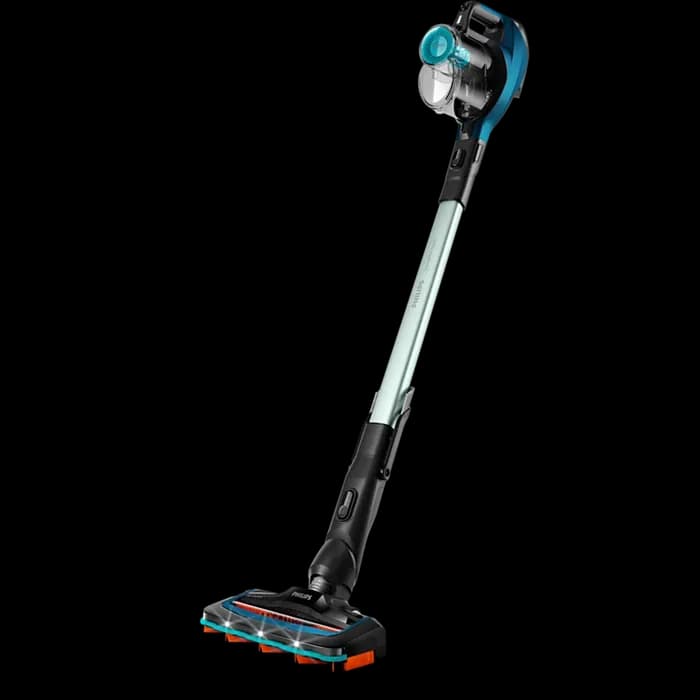
The suction pressure of this cordless handheld vacuum cleaner is generated by a high-speed 120 W DC motor designed to optimize the motor-to-airway ratio within a narrow chassis. By producing 12000 Pa of static pressure, the motor overcomes the resistance of the HEPA filter to pull heavy debris like sand and small pebbles from car floor mats. While the airflow volume is lower than industrial canister models, the high vacuum pressure is specifically tuned for surface-level extraction on hard floors and tight crevices. This engineering trade-off prioritizes localized lifting power over bulk volume, making it exceptionally effective for concentrated cleaning tasks where gravity and friction hold dust in place.
The filtration architecture centers on a single-stage washable HEPA system that serves as both the primary and secondary barrier against particulate matter. This filter is engineered to capture particles as small as 0.3 microns, including common Indian pollutants like fine road dust, pollen, and pet dander. The washable construction is a critical engineering choice for the Indian climate, where high humidity and dust levels can quickly clog standard paper filters. By allowing users to rinse the filter, the device maintains its 12000 Pa suction integrity over hundreds of cycles. The internal mesh structure prevents larger debris from tearing the delicate HEPA pleats, extending the overall lifecycle of the internal components.
Powering the 120 W motor is a lithium-ion battery array designed for a 30-minute discharge cycle, providing sufficient energy for localized spot cleaning. The charging system utilizes a Constant Current-Constant Voltage (CC-CV) protocol through its 3-4 hour cycle to ensure cell longevity and prevent overheating in warm Indian summers. Engineers have balanced the motor draw against the battery capacity to prevent premature voltage sag, which typically causes suction loss in cheaper alternatives. For practical use, the 30-minute runtime is optimized for high-intensity bursts rather than continuous operation. Users are advised to utilize the full charge for tasks like car detailing where corded access is restricted and portability is paramount.
The wet and dry separation mechanism is built into the 0.5 L bagless bin using a series of internal baffles that prevent liquid from reaching the motor housing. This design allows for the immediate recovery of spilled liquids or damp debris often found in Indian kitchens or during the monsoon. The motor protection circuit is positioned above the maximum fill line, ensuring that the 120 W motor remains dry even when the bin reaches capacity. After wet use, the 1-stage HEPA filter and the dust cup must be thoroughly dried to prevent mold growth and maintain the structural integrity of the filtration material. This hardware configuration offers a versatile response to domestic accidents.
Although this unit lacks a dedicated blower function, it compensates with specialized attachments like the crevice tool and brush head designed for high-velocity air intake. The crevice tool concentrates the 12000 Pa suction into a narrow tip, increasing the air speed to dislodge stubborn grime from AC vents and sliding window tracks. The brush head is engineered to agitate fibers on sofa upholstery, allowing the suction to lift pet hair that would otherwise remain entangled. In the context of a WFH setup, these tools are essential for extracting fine dust from mechanical keyboards without damaging the underlying switches. This mechanical agitation combined with high static pressure replaces the need for separate blowing equipment.
The chassis is constructed from high-grade ABS plastic, resulting in a total weight of only 0.45 kg, which minimizes user fatigue during overhead cleaning of fans or curtain rods. The ergonomic handle is positioned to align with the center of gravity, providing a balanced feel even when the 0.5 L bin is nearing its capacity. The compact parking position allows for easy storage inside car glove compartments or small kitchen drawers common in urban Indian apartments. This focus on material science and structural design ensures the device remains durable against accidental drops on hard flooring. Ultimately, the Ternoa Wireless Portable 12000PA represents a well-engineered balance of weight, power, and utility for everyday domestic maintenance.