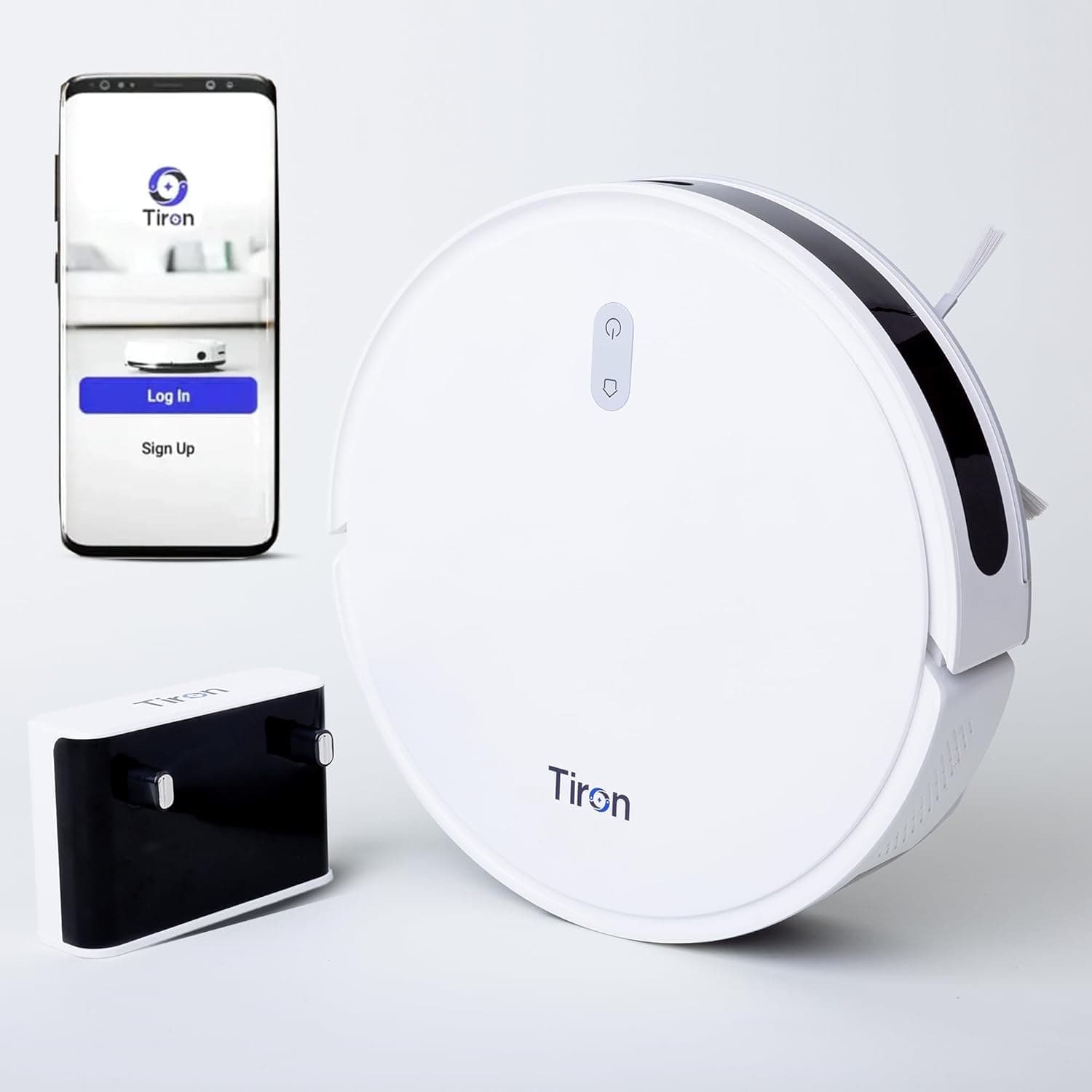
The engineering behind the 5000 Pa suction in this cordless vacuum cleaner revolves around the 15 W brushless DC motor. While 15 W may seem low, the motor-to-airway ratio is optimized for high static pressure rather than high-volume airflow. This design allows the unit to lift dense particles like fine sand or road dust from hard tiles effectively. However, the trade-off is a lower cubic feet per minute rate, meaning it is better suited for surface-level pickup rather than deep-pile carpet extraction. This specific calibration ensures the motor does not overheat during the lengthy 140-minute runtime common in Indian homes.
The filtration architecture utilizes a 3-stage HEPA system designed for longevity. The first stage captures larger debris in the 0.25 L bagged compartment, while the subsequent stages target microscopic allergens. The washable construction of the HEPA media is a critical engineering choice for the Indian market, where high ambient dust levels would otherwise clog standard filters within weeks. By allowing users to rinse the filter, the system maintains its suction performance over hundreds of cycles. This prevents the suction drop-off typically seen in machines with disposable, non-washable filtration components that incur high recurring costs.
Power management is handled by a battery array that supports a 140-minute runtime. The system employs a CC-CV charging protocol via the 3-5 hour charging cycle to preserve cell chemistry. The 15 W motor draw is carefully regulated to ensure the voltage does not sag as the battery depletes, providing a flat power curve throughout the cleaning session. For an Indian user cleaning a multi-room apartment, this means the last minute of suction is as effective as the first. The balance between motor efficiency and battery capacity represents a focus on endurance over raw, short-burst power seen in many competitors.
The wet and dry separation mechanism is integrated into the chassis to protect the internal 15 W motor from moisture ingress. A baffle design within the air path redirects liquid into the collection area, preventing droplets from reaching the HEPA stage. While the 0.25 L bagged capacity is compact, it is sufficient for handling accidental spills on kitchen tiles or cleaning damp footprints in a foyer. Users must perform post-wet-use maintenance by drying the internal components to prevent odor, a standard requirement for maintaining hygiene in humid Indian climates. This engineering ensures the unit remains versatile across seasons.
Navigation and precision are enhanced by the inclusion of laser navigation sensors, which are uncommon in handheld-focused designs. These sensors map the cleaning path to ensure the suction is applied systematically across the floor. This technical addition reduces redundant passes, thereby conserving battery life. For Indian households with complex furniture layouts, the sensors allow the unit to navigate around chair legs and sofa bases without getting stuck. This level of mechanical awareness compensates for the lack of a blower function by ensuring every accessible square inch of the home is vacuumed efficiently without manual intervention.
The chassis is constructed from high-grade ABS plastic, contributing to a total weight of 5.7 kg. This weight reflects the heavy-duty battery pack required for the 140-minute endurance and the robust motor housing. The handle design is ergonomically balanced to shift the center of gravity closer to the user’s wrist, reducing fatigue during long sessions. A stable parking position is integrated into the frame, allowing the unit to stand upright when not in use. Ultimately, the TRV 10P represents a specialized approach to home maintenance where runtime and filtration efficiency are prioritized for the cost-conscious Indian consumer.