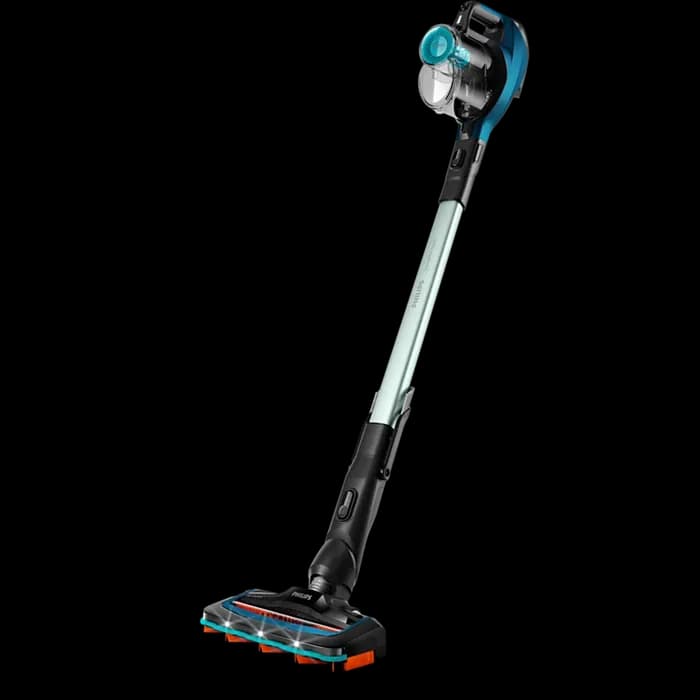
The suction pressure engineering of this unit is driven by a 120 W dc motor that optimizes the motor-to-airway ratio to achieve a peak of 8000 Pa. This specific calibration prioritizes static pressure, allowing the device to pull dense particles from textured surfaces like cement floors. While larger vacuums focus on high airflow volume, this motor configuration ensures that suction remains concentrated at the nozzle interface, making it ideal for localized tasks like clearing heavy road dust. However, users should note that the high torque demand means the unit is best suited for targeted spot cleaning rather than continuous floor coverage.
Filtration architecture consists of a 1-stage HEPA system designed to capture particles as small as 0.3 microns. In the context of Indian environments, where fine PM2.5 dust is prevalent, this single-stage approach minimizes airflow resistance while maintaining high capture efficiency for pet dander and pollen. The washable construction of the filter is a critical engineering choice, allowing users to restore suction performance after cleaning heavy grime without purchasing proprietary consumables. This design significantly lowers the total cost of ownership while ensuring that the exhaust air remains clean and free of allergens during operation.
The battery and power system utilizes a high-density cell configuration that provides a 30 min runtime from a 3 hr charge cycle. Engineering the power draw to match the 120 W motor requires sophisticated thermal management to prevent overheating during extended use. The system employs a CC-CV charging protocol to maximize cell longevity, which is vital in tropical climates where ambient temperatures can stress lithium-based batteries. Indian users should find the 30-minute window sufficient for cleaning a car interior or all furniture in a 1BHK apartment, provided the unit is charged between tasks to maintain voltage stability.
Wet and dry separation is managed through a specialized internal baffle design that protects the motor from liquid ingress. The bagless bin mechanism is engineered to handle damp spills, such as spilled tea or rainwater tracked onto tile floors, by diverting liquid away from the impeller. While the capacity is optimized for portability, the seal integrity ensures that suction does not bypass the filtration stages even when the bin contains fluid. Post-wet-use maintenance is essential, as the washable HEPA filter must be thoroughly dried to prevent mold growth, ensuring the internal components remain hygienic and rust-free.
Chassis ergonomics are defined by a 0.39 kg lightweight frame constructed from impact-resistant ABS plastic. This low mass reduces wrist fatigue when cleaning high-reach areas like ceiling fans or curtain rods. The attachment interface—featuring a brush, flat lance, and extension tube—is engineered for friction-fit security, preventing vacuum leaks that would otherwise compromise the 8000 Pa pressure. For Indian use cases like cleaning AC vent grime, the narrow lance increases air velocity at the tip, dislodging stubborn dust that wider nozzles cannot reach. This mechanical advantage ensures high cleaning efficiency in the tightest architectural gaps.
The final chassis design integrates a balanced center of gravity, placing the weight of the 120 W motor directly above the handle. This prevents the unit from feeling nose-heavy during detailed tasks like WFH keyboard cleaning or mattress sanitization. The absence of a blower function is compensated for by the concentrated vacuum force, which effectively extracts debris from deep within porous surfaces. By focusing on structural rigidity and airway sealing, the engineers have created a tool that maintains its performance profile over years of daily use. Ultimately, the Ultra WIRELESS Vacuum Cleaner represents a focused approach to portable suction engineering.