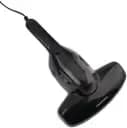
The suction pressure of this unit is engineered around a 350 W cyclonic motor that produces 10 kPa of static lift. This specific motor-to-airway ratio is optimized for surface-contact cleaning rather than long-distance hose suction. By keeping the intake path short and the motor high-speed, the engineering team has prioritized high static pressure, which is essential for pulling fine particles through thick mattress fabrics and car upholstery. In the Indian context, where fine road dust often settles deep into sofa fibers, this pressure ensures that the vacuum does not just sweep the surface but performs deep-pore extraction of silt and dander.
Filtration architecture is handled by a Single Stage-stage HEPA system designed to capture particles as small as 0.3 microns. Unlike multi-cyclonic towers, this simplified single-stage approach reduces air resistance, allowing the 350 W motor to maintain its peak 10 kPa performance for longer durations. The washable construction of the filter is a critical engineering choice for the Indian market, where high ambient dust levels would otherwise clog disposable filters within weeks. This allows users to maintain optimal airflow by rinsing the HEPA element, ensuring that the exhaust air remains clean and free from PM2.5 particles during operation.
As a cordless handheld vacuum cleaner, the power system is designed to provide high-current delivery to the motor without the bulk of lead-acid alternatives. The 350 W draw requires a battery configuration that can handle significant thermal loads, necessitating a chassis design with adequate ventilation to protect the internal cells. For Indian users, this cordless engineering means total mobility for cleaning high-shelf grime or car interiors parked away from power sockets. The power management circuit is tuned to deliver consistent suction until the battery is nearly depleted, preventing the performance drop-off often seen in cheaper, unregulated handheld motors.
Since this device is designed exclusively for dry use, the internal airflow management focuses on centrifugal dust separation within the 0.25 L bagless bin. The engineering prevents dust from swirling back toward the motor intake, which is a common failure point in compact handhelds. By omitting wet/dry components, the designers have kept the internal seals tight and the overall weight at a manageable 1 kg. This dry-only specialization ensures that the motor remains protected from the moisture and humidity levels typically found in Indian coastal cities, where damp dust can otherwise cause internal corrosion in multi-functional tools.
One of the primary engineering features is the UV-C lamp integration, which operates at a specific germicidal wavelength to disrupt the DNA of dust mites and bacteria. This lamp is positioned at the base of the suction head to ensure maximum exposure as the 10 kPa airflow lifts particles. The inclusion of a fabric brush and dusting nozzle further enhances the mechanical agitation of the surface. For Indian households dealing with monsoon-related allergens and mattress hygiene, this combination of UV irradiation and cyclonic suction provides a technical solution that goes beyond the capabilities of a standard suction-only vacuum.
Constructed from high-grade ABS, the chassis is engineered for durability while maintaining a lightweight 1 kg profile. The handle design follows ergonomic principles to ensure that the center of gravity remains near the wrist, reducing fatigue during extended mattress cleaning sessions. The parking position and attachment locking mechanisms are designed to withstand frequent use in 1BHK and 2BHK apartments where space is at a premium. This balance of material science and airflow engineering results in a tool that is both robust and highly maneuverable, making the UV C Sterilisation a technically sound choice for targeted domestic hygiene.