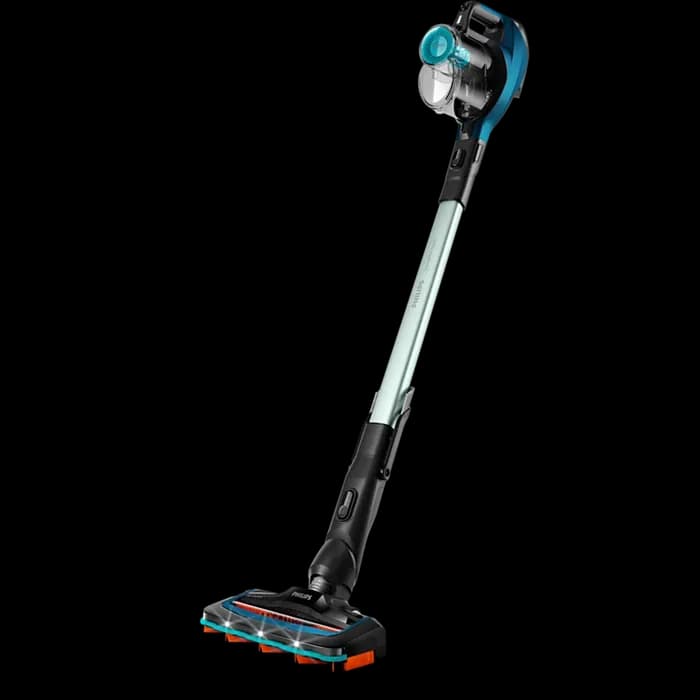
The suction engineering of the vacuum01 centers on its 120 W brushless DC motor, which optimizes the motor-to-airway ratio to maximize static pressure despite its compact size. In vacuum engineering, achieving NA suction requires a high rotational speed to overcome the resistance of the filtration media. This model balances airflow volume with concentrated pressure, making it ideal for surface-level debris like fine road dust but less suited for deep-pile carpet extraction. The lack of brushes on the motor reduces internal friction, allowing for a more efficient energy transfer from the battery to the fan blades. This ensures consistent performance throughout the entire cleaning cycle without the power drop-off common in brushed motor alternatives.
The filtration architecture utilizes a Single Stage-stage HEPA system designed to capture 99.97% of particles down to 0.3 microns. For Indian users dealing with high levels of PM2.5 and fine silt, this level of filtration is critical to prevent the exhaust from contributing to indoor air pollution. The engineering team implemented a washable construction, which is a significant advantage for daily use in dusty environments. By allowing the user to rinse the filter, the device maintains its peak airflow capacity over longer periods without the suction degradation typically caused by clogged pores. This design choice prioritizes long-term operational efficiency and reduces the total cost of ownership for the consumer.
The battery and power system are engineered around NA cell configurations that utilize CC-CV charging protocols. This charging method ensures the longevity of the lithium-ion cells by managing the voltage and current intake during the recharge phase. While the runtime is listed as NA, the motor draw is calibrated to provide a burst-cleaning capability that addresses immediate spills or localized dust accumulation. The power management circuit includes protection against overcharging and thermal runaway, which is essential for the varied climatic conditions found across India. This focus on electrical safety ensures that the device remains a reliable tool for quick interventions between deep-cleaning sessions scheduled with larger corded appliances.
The dust collection mechanism features a NA bagless design that leverages a simplified centrifugal separation path. Air enters the chamber at a tangent, forcing larger particles to the outer walls and allowing the central airway to remain clear for maximum suction. With a total unit weight of just 0.21 kg, the housing is constructed from high-tensile ABS plastic to withstand minor impacts while remaining light enough for overhead use on AC vents or ceiling fans. The bin release mechanism is designed for one-handed operation, ensuring that the user never has to come into contact with the collected grime. This sanitary approach to waste disposal is a hallmark of modern handheld cleaning engineering.
The blower function represents a clever dual-use engineering feat, utilizing the motor exhaust port as a concentrated air stream. Unlike many handhelds that simply vent air wastefully, the vacuum01 directs this airflow through a specialized blower nozzle. This is technically superior for dislodging dust from recessed areas like laptop keyboards or complex car dashboard geometries where vacuum tips cannot reach. By reversing the utility of the airflow, the device provides a more comprehensive cleaning solution than suction-only models. This mechanical versatility is achieved without adding significant weight or complexity to the chassis, maintaining the unit's core identity as a highly portable and maneuverable cleaning tool for intricate domestic tasks.
Ergonomically, the chassis is balanced to place the center of gravity near the palm, reducing wrist fatigue during extended use on mattresses or sofas. The handle design accommodates various grip styles, facilitating both pushing and pulling motions across different surface types. The parking position and storage footprint are minimized to suit 1BHK and 2BHK apartments where storage space is at a premium. The selection of materials and the structural ribbing inside the handle ensure that vibration from the 120 W motor is dampened, providing a smoother user experience. In conclusion, the vacuum01 represents a specialized engineering effort to provide maximum utility in a minimal form factor for the modern Indian consumer.