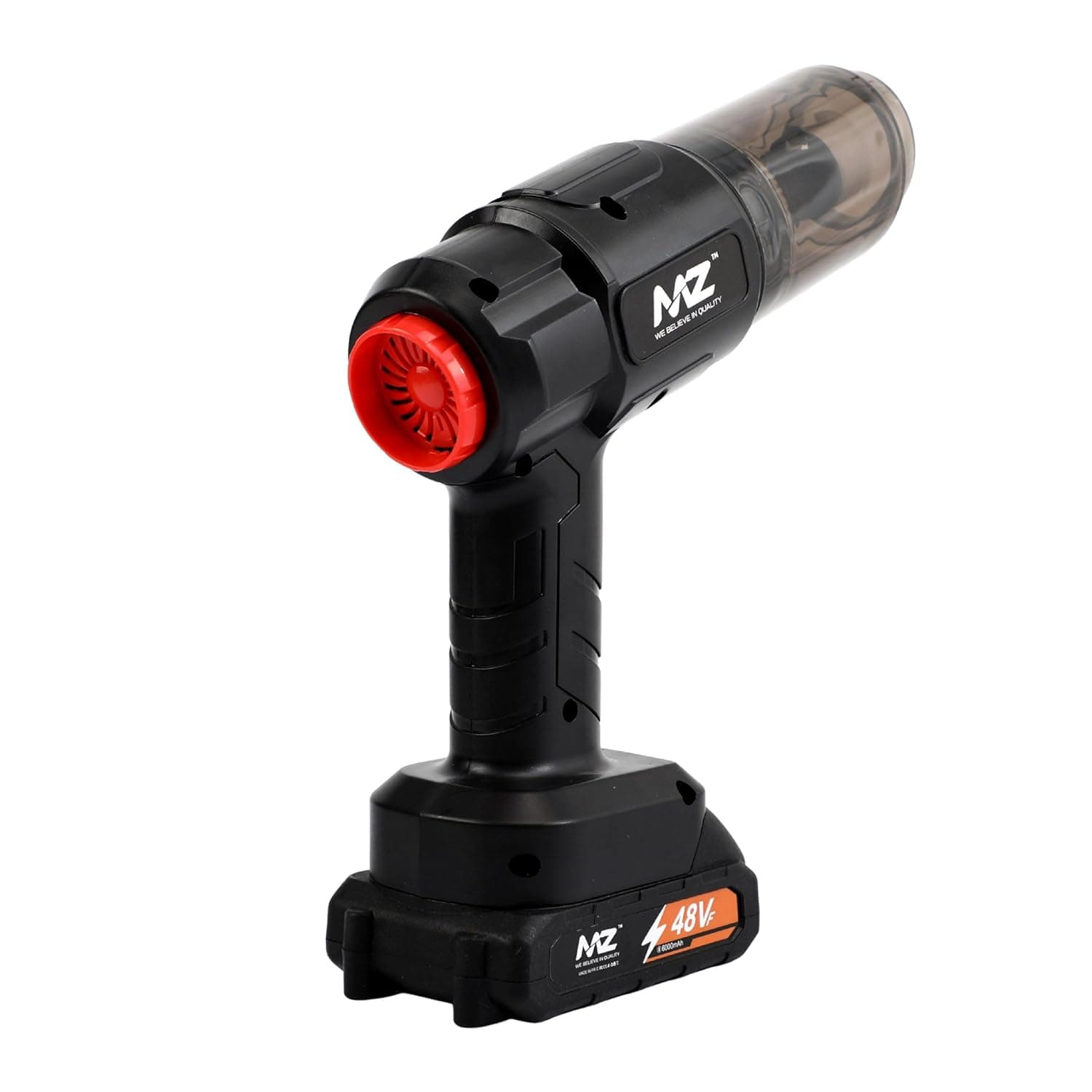
The suction dynamics of this cordless handheld vacuum cleaner are driven by a 200 W dc motor that optimizes the motor-to-airway ratio for consistent performance. While the suction is rated at NA, the engineering focus is on static pressure efficiency rather than raw airflow volume, making it highly effective for surface-level debris on hard floors like tile and wood. In the Indian context, where fine road dust settles daily, the motor maintains a velocity sufficient to lift particles without overheating. This balance ensures the 0.713 kg unit does not sacrifice motor longevity for excessive power draw, providing a stable cleaning experience for light-to-medium domestic duties.
The filtration architecture employs a Single Stage-stage HEPA system designed to capture microscopic allergens and PM2.5 particles prevalent in Indian metropolitan areas. This system utilizes a high-density pleated media that traps dander and dust mites, ensuring that the exhaust air is cleaner than the intake. Because the filter is washable, users can maintain peak airflow without frequent replacements, which is critical for handling the high dust loads found in 1BHK or 2BHK apartments. This engineering choice prioritizes long-term filtration integrity and cost-efficiency, allowing the device to perform reliably across diverse surfaces, from keyboards to car upholstery, without losing suction due to clogged pores.
Power management is handled by a lithium-ion battery system that provides a 45 minutes runtime, significantly higher than many entry-level cordless models. The charging circuit utilizes a CC-CV (Constant Current-Constant Voltage) protocol, requiring 4 hours to reach full capacity from a depleted state. This runtime-to-motor-draw trade-off is engineered to allow a complete cleaning session of a car interior or a set of sofas on a single charge. For Indian users, this means the device can handle multiple small tasks throughout the day, such as cleaning AC vent grime or kitchen spills, without needing to return to the charger frequently, maximizing practical availability.
The dust management system features a 0.4 L bagged capacity, which is a specific design choice for a handheld unit aimed at minimizing secondary dust exposure. Unlike bagless models that can release dust back into the air during emptying, the bagged system keeps fine road dust and pet hair securely contained within the vessel. This is particularly beneficial for users with respiratory sensitivities or those cleaning fine keyboard debris in WFH setups. While the capacity is smaller than full-sized vacuums, it is perfectly scaled for its 0.713 kg frame, ensuring the device remains maneuverable. The mechanical seal between the nozzle and the bag compartment prevents pressure leaks, maintaining effective pickup throughout the cleaning cycle.
A standout technical feature is the integrated blower function, which redirects motor exhaust through a specialized blowing nozzle. This mechanism allows the user to dislodge dust from inaccessible areas like AC vents, window tracks, and deep keyboard crevices before suctioning it up. In Indian households where intricate mesh windows and furniture are common, this dual-function engineering provides a level of cleaning that suction alone cannot achieve. The transition between suction and blowing is seamless, utilizing the airflow generated by the 200 W motor to create a concentrated stream of air, effectively doubling the utility of the chassis for comprehensive home and car maintenance.
The chassis is constructed from high-grade ABS plastic, achieving a lightweight profile of 0.713 kg without compromising structural rigidity. The ergonomic handle is designed to reduce wrist strain during extended use, such as cleaning a mattress or high shelves. Its compact dimensions allow for a neutral parking position in small storage cupboards or car glove boxes, catering to the space constraints of urban Indian living. Every attachment, from the extraction nozzle to the plastic tube, is engineered for a friction-fit that prevents air leakage. Ultimately, the VC41 represents a focused engineering effort to provide a versatile, lightweight tool that handles the specific particulate challenges of the Indian environment.