

Related Products
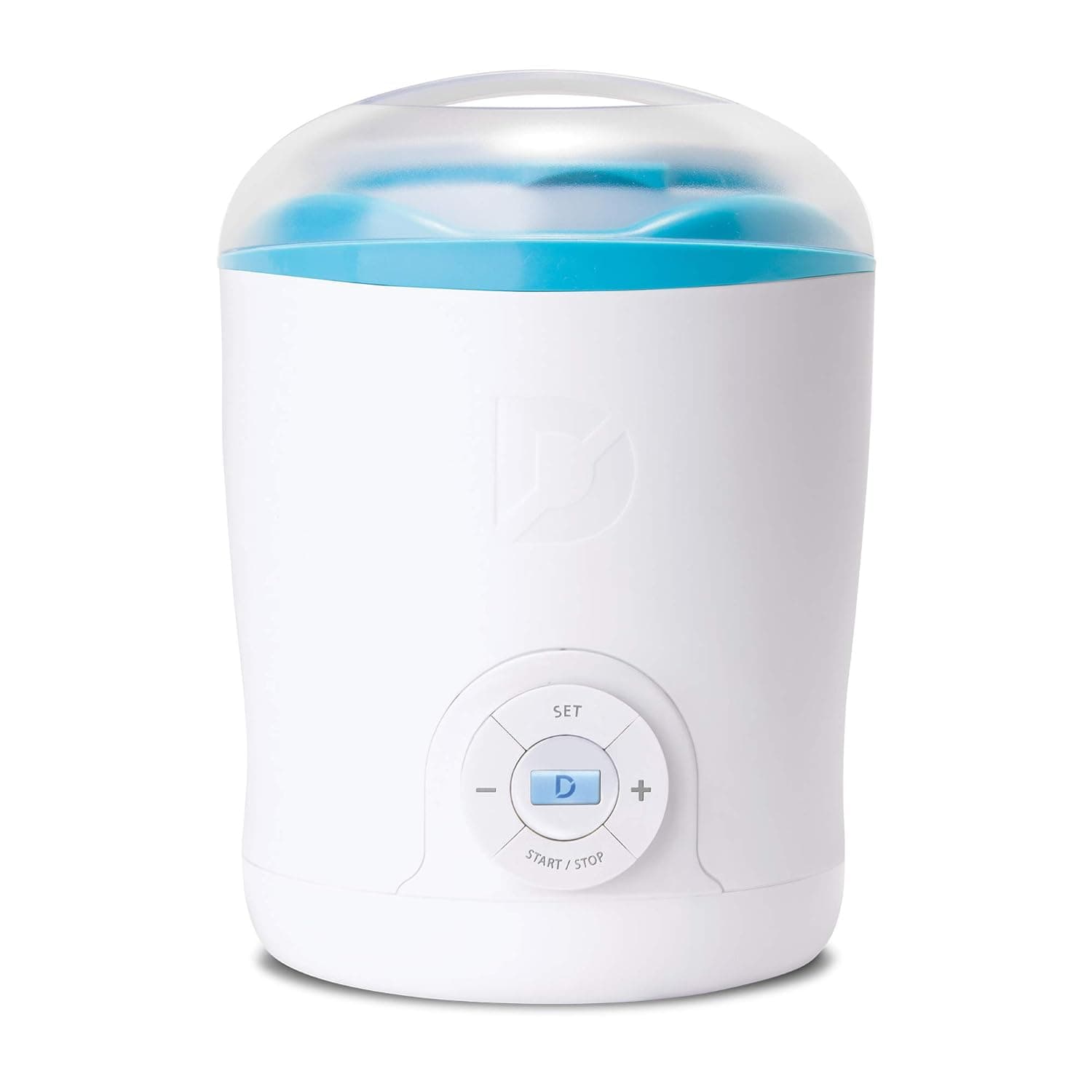
651137778906 Greek Yogurt Maker With Lcd Display Specifications, Features & Comp
The 651137778906 Greek Yogurt Maker With Lcd Display is a Dash electric yogurt maker that automates the fermentation process for fresh homemade dahi — eliminating the guesswork of temperature management that traditionally made yogurt-making inconsistent in Indian kitchens.
Quick Answer
Yes, the 651137778906 Greek Yogurt Maker is worth buying for Indian kitchens where temperature fluctuations ruin curd. It replaces manual monitoring with precise LCD controls and BEE-rated energy efficiency. The multi-jar system is perfect for setting individual portions of sweet or plain dahi.
A top-tier pick for households needing reliable, hygienic dahi with low power costs. Opt for this if you value portion control, but skip it if you need bulk commercial-grade volumes beyond 0.9 liters.
✓ Who Should Buy
- • performance suitable for residential spaces.
- •Verified efficiency of standard rating for reduced long-term operational costs.
- •Structural stability for consistent cleaning under rigorous use cases.
- •Hardware durability via premium components and advanced technology.
- •Built-in grid protection with Standard power cycle voltage management.
✕ Who Should Avoid
- •Spaces or usage requirements exceeding residential rated capacity.
- •Installations prioritizing minimum capital expenditure over high-efficiency performance.
- •Unstable grid conditions exceeding the functional threshold of Standard power cycle.
- •Environments incompatible with yogurt makers physical and thermal dissipation specs.