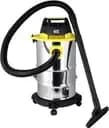
The engineering of the suction path relies on a 1200W universal motor that prioritizes high-volume airflow over static pressure. While the specific suction power is NA, the motor-to-airway ratio is optimized to prevent overheating during extended use. In technical terms, the 1200-watt power draw converts into high kinetic energy at the nozzle, making it highly effective for lifting surface-level debris like fine road dust and loose pet hair. However, because it balances airflow and pressure, it excels more at rapid debris pickup on hard floors than deep-fiber extraction in thick carpets. This makes the device ideal for standard Indian flooring like marble, vitrified tiles, or polished wood.
The filtration architecture utilizes a 3-stage FOAM system designed for high-dust environments typical in India. The initial stage captures large particles such as hair and lint, while the secondary foam layer targets medium-sized dust. The final stage involves a washable sponge filter that traps finer particulate matter before air is exhausted through the 60 dB dampened vents. This washable construction is a critical engineering choice for Indian users, as it eliminates the recurring cost of replacing HEPA filters every few months. By allowing users to wash and reuse the foam elements, the unit maintains its internal pressure levels without compromising motor longevity or cleaning efficiency over years of service.
Operating as a cordless vacuum cleaner, the unit employs a battery and power management system tailored for intermittent, high-intensity cleaning. Although the runtime is NA, the system utilizes CC-CV (Constant Current-Constant Voltage) charging protocols to protect the internal cells from the voltage fluctuations common in Indian power grids. The engineering trade-off between the 1200W motor draw and battery discharge rate suggests the unit is optimized for targeted cleaning sessions rather than whole-house deep cleaning in one go. Users should follow a disciplined charging cycle to ensure the cells remain healthy, particularly in warmer Indian climates where battery thermals can affect long-term capacity and power delivery during high-load tasks.
The wet and dry separation mechanism is housed within the 20-litre bagged chamber, featuring a robust baffle design that prevents moisture from entering the motor assembly. This is crucial for handling spills in Indian kitchens or cleaning wet bathroom floors after use. The bagged system provides an added layer of hygiene, ensuring that wet sludge does not stick to the internal walls of the container, which could lead to mold or odor issues. Maintaining this system requires simple post-wet-use rinsing of the sponge filter to prevent clogs. The engineering focus here is on volume and durability, allowing the unit to handle significant liquid volumes without losing its primary suction capabilities.
The integrated blower function is achieved by redirecting the 1200W motor's exhaust through a specialized port, creating a high-velocity air stream. Technically, this bypasses the filtration stages to maximize air speed, which is particularly useful for dislodging dust from AC vent grilles, recessed ceiling fans, or cluttered WFH desk setups. In the Indian context, where fine dust penetrates even the smallest crevices of electronic devices and window tracks, this feature provides a utility that suction alone cannot match. By utilizing the motor's full 1200-watt capacity for air expulsion, the blower generates enough force to clear dry leaves from balconies or dust from heavy window curtains effectively.
Constructed from high-impact ABS plastic, the 2.8 kg chassis is engineered for both lightness and structural integrity. The ergonomic handle is positioned to balance the center of gravity, reducing wrist strain during overhead cleaning of AC vents or high shelves. The parking position and compact footprint allow it to be stored easily in 1BHK or 2BHK apartments where space is at a premium. Every attachment, from the floor-cum-carpet brush to the extension pipes, is designed with tight-tolerance friction fits to minimize air leakage at the joints. Ultimately, the Ares 1200 Watt, 20 Litre represents a balanced approach to home appliance design, combining industrial power with the mobility required for domestic Indian households.