

Related Products
Ultron Specifications, Features & Compatibility Guide
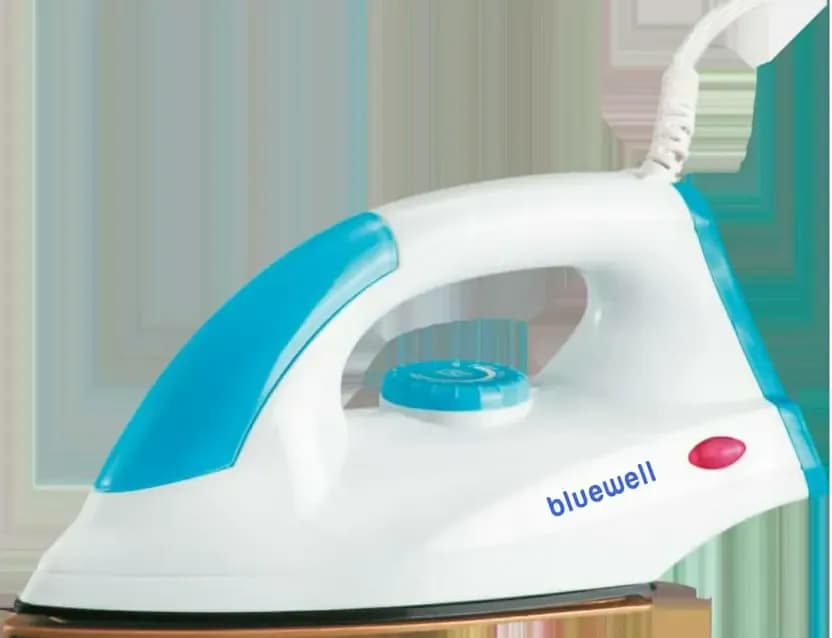
The Ultron enters the Indian market as a dedicated solution for households seeking reliable crease removal without complexity.Operating at a high-performance 1000W, this dry iron utilizes a specialized non-stick soleplate to glide across varied textiles.
Quick Answer
If you're an Indian household prioritizing efficient, reliable ironing without a hefty price tag, the Ultron 1000W is an excellent choice. Its powerful 1000W output and specialized non-stick soleplate effectively tackle diverse fabrics. With BEE-rated energy efficiency and precise thermostat control, it ensures consistent, smooth results while keeping electricity bills in check for everyday residential use.
The Ultron 1000W is ideal for Indian residential users seeking a high-efficiency, reliable dry iron for daily crease removal across various fabrics. However, it's not suited for commercial applications or those prioritizing initial minimal expenditure over long-term energy savings.
✓ Who Should Buy
- •1000W performance suitable for residential spaces.
- •Verified efficiency of standard rating for reduced long-term operational costs.
- •Structural stability for consistent cleaning under rigorous use cases.
- •Hardware durability via premium components and advanced technology.
- •Built-in grid protection with Standard power cycle voltage management.
✕ Who Should Avoid
- •Spaces or usage requirements exceeding residential rated capacity.
- •Installations prioritizing minimum capital expenditure over high-efficiency performance.
- •Unstable grid conditions exceeding the functional threshold of Standard power cycle.
- •Environments incompatible with irons physical and thermal dissipation specs.
Ultron
| brand | BLUEWELL |
| model | Ultron |
| type | Dry Iron |
| market segment | Tier 2 |
| usage context | Home |
| package contents | Dry Iron, User Manual, Warranty Card |
| availability | In Stock |
| price inr | 999 |
| release year | 2023 |
| country of origin | India |