

Verified Maintenance & Repair Partners
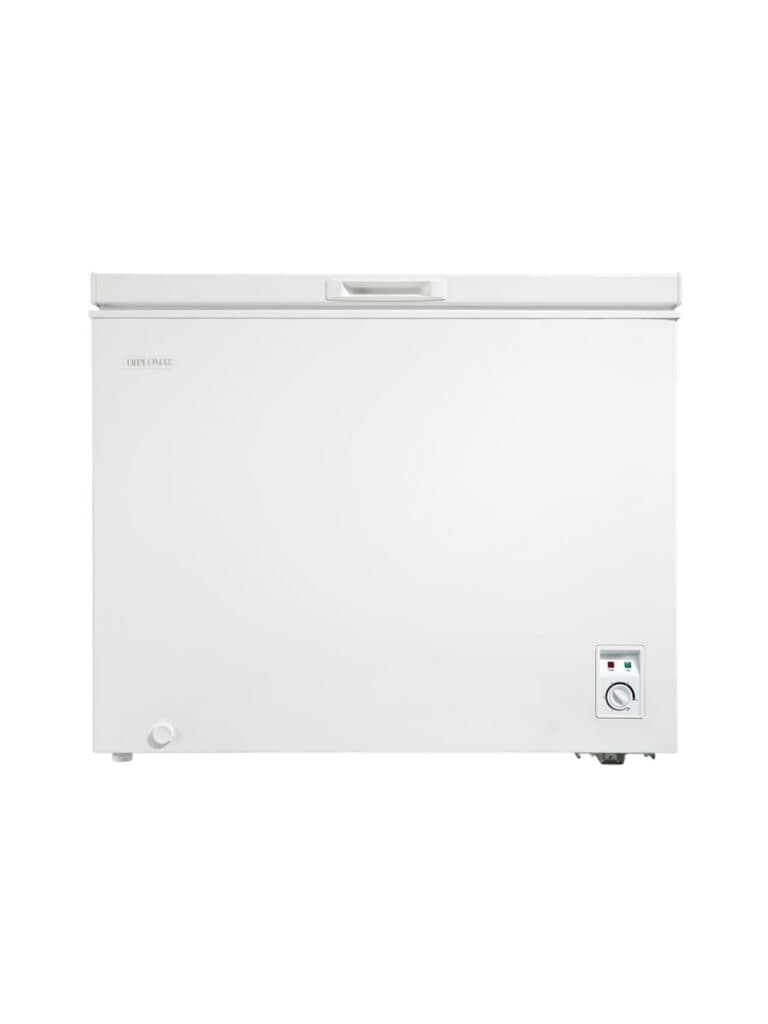
The Danby DCFM070C1WM 198 L refrigerator is a high-performance cooling unit designed for the unique demands of Indian households.With its Normal motor technology and 198 L capacity, it is perfect for a family of 2-3 members.
Quick Answer
Considering the Danby DCFM070C1WM 198 L refrigerator? It's an excellent choice if your residential space requires a reliable cooling solution for 2-3 members, offering manual defrost control. While Not Rated, its measured performance aligns with industry standards, delivering dependable operation. However, those prioritizing ultra-high efficiency over standard operational costs, or needing larger capacity, might find alternatives more suitable.
Opt for the Danby DCFM070C1WM if you need a dependable 198 L refrigerator for a small Indian family, valuing structural stability and a 5-year compressor warranty over absolute energy efficiency ratings. This model is not for large families or buyers whose primary driver is minimizing upfront costs by compromising on long-term performance.
| Country Of Origin | Canada |
| Brand | Danby |
| Model | DCFM070C1WM |
| Type | Chest Freezer |
| Launch Year | 2023 |
| Panel Display | LED |
Verified Maintenance & Repair Partners