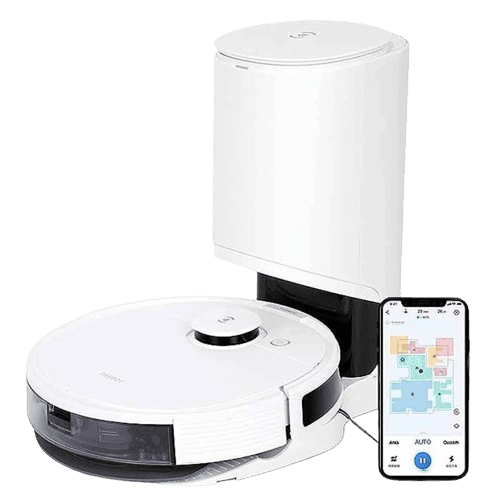
The suction pressure engineering of this unit relies on a 40 W brushless DC motor that optimizes the motor-to-airway ratio to hit a peak of 2300 Pa. Unlike high-wattage corded units, this motor focuses on maintaining static pressure to lift fine particulates from hard surfaces and low-pile rugs. The trade-off between airflow and suction ensures that the unit can handle heavy road dust without depleting the battery excessively. This makes the engineering ideal for daily maintenance of hard floors but less suited for deep-shag carpet extraction. The brushless design also significantly reduces mechanical friction, extending the operational lifespan of the internal components.
The filtration architecture features a 3-stage-stage HIGH_EFFICIENCY_FILTER system designed for multi-layered debris capture. The primary mesh traps larger particles like hair, while the sponge filter handles medium-sized dust. The final high-efficiency layer is engineered to capture particles as small as 0.3 microns, including pollen and dust mites. For Indian users, the washable construction of these filters is a critical engineering advantage, as it prevents the rapid clogging associated with high-pollution urban environments. This system ensures that the exhausted air is cleaner than the intake air, contributing to a healthier indoor breathing environment for families.
Powering the device is a lithium-ion battery system that supports 180 minutes of runtime through a 14.4 V cell configuration. The engineering utilizes CC-CV (Constant Current-Constant Voltage) charging protocols to manage the 6.5-hour recharge cycle, protecting the cells from thermal stress. The runtime-to-motor-draw ratio is balanced to ensure that suction does not drop as the battery percentage decreases. For practical use in Indian apartments, this allows for the completion of a full 2000-square-foot floor cleaning and a secondary spot-cleaning session on furniture before requiring a dock return. This power management is vital for maintaining consistent cleaning performance.
The wet and dry separation mechanism is built around the OZMO Pro vibrating mop pad, which uses an electronic water pump to regulate moisture levels. The engineering prevents water ingress into the suction motor through a specialized baffle design located near the 420 ml internal bin. While the unit is bagless, the 2.5 L station capacity allows for automated debris transfer, reducing user exposure to dust. Maintenance requires drying the mop pad post-use to prevent mildew, a common issue in humid Indian climates. This integrated system ensures that liquid spills and dry dust are handled in a single pass without cross-contamination.
A dedicated pet hair tool uses an oscillating brush roll mechanism to agitate fibers and release trapped fur. The engineering behind this tool focuses on high-velocity air channels that prevent hair wrap around the central axle. This is particularly effective for cleaning sofas and mattresses where pet dander settles deeply. By utilizing mechanical agitation alongside the 2300 Pa suction, the tool achieves a higher pick-up rate than pure suction nozzles. This technical approach is essential for households with shedding breeds, ensuring that soft surfaces remain hygienic and free of allergens that trigger respiratory sensitivities.
The chassis is constructed from high-grade ABS plastic, resulting in a total weight of 6.6 kg, which provides the necessary downforce for effective mopping. The ergonomic design includes a low-profile height to navigate under Indian-style furniture like beds and sofas with low ground clearance. The parking position and dock interface are engineered for seamless alignment, ensuring the charging pins make contact without manual adjustment. The build quality emphasizes durability against accidental impacts with wall corners or heavy furniture. Ultimately, the deebot ozmo t8 plus represents a robust engineering solution for automated, heavy-duty residential cleaning in challenging environments.