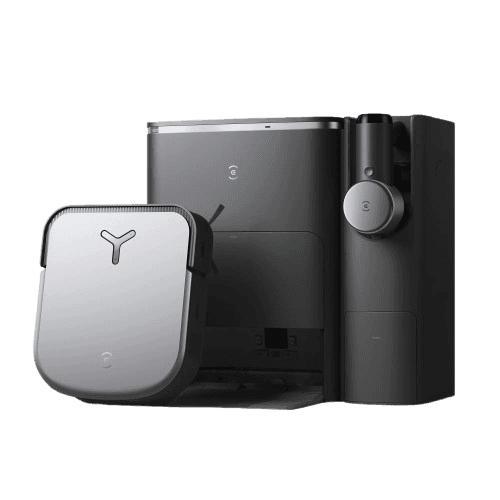
The suction pressure engineering of this unit is centered around an 8700 Pa peak achieved through a 45 W brushless dc motor. This is a high motor-to-airway efficiency ratio, where the internal geometry is optimized to maximize static pressure over high-volume airflow. In practical Indian conditions, this means the unit excels at lifting dense particles like sand or road dust from hard tiles but may require more passes on high-pile carpets compared to high-wattage corded units. The brushless design ensures longevity by reducing friction, making it a reliable choice for daily dust management in urban environments.
Filtration architecture is handled by a 4-stage-stage HEPA system designed to capture particles as small as 0.3 microns. The initial stages utilize cyclonic separation to remove larger debris, protecting the fine HEPA media from premature clogging. For Indian users dealing with high PM2.5 levels, the washable nature of this filter is essential for maintaining suction performance without frequent replacement costs. This specific configuration ensures that allergens, including fine soot and dust mites, are trapped securely within the 420 ml or 3 L bins rather than being recirculated into the living space.
Equipped with a high-capacity battery system, the unit manages power through a CC-CV charging protocol over a 5.5-hour cycle. The 210 minutes runtime is achieved through intelligent power distribution, though actual high-suction usage will draw more from the 45 W motor, potentially reducing total active time. For the average 2BHK apartment, this provides ample headroom for multiple cleaning sessions. Users should note that maintaining the battery within moderate temperature ranges will prevent the lithium cells from degrading, which is a vital consideration given the tropical heat levels often found in Indian households.
The wet and dry separation mechanism utilizes a dedicated baffle design within the dustbin to prevent moisture from entering the motor assembly. With a 420 ml capacity on the robot side, it can manage light spills or damp mopping residue effectively. However, post-wet-use maintenance is critical; the filters and bin must be dried completely to prevent mold growth, especially in coastal Indian cities. The engineering ensures that the transition between dry vacuuming and wet wiping does not compromise the electrical integrity of the brushless motor, providing a versatile hybrid cleaning experience.
While this model lacks a blower function, it compensates through a refined attachment ecosystem including a zerotangle power brush and a crevice tool. The zerotangle engineering is specifically geared toward managing long hair and pet fur, using internal combs to prevent the roller from seizing. This is particularly useful for Indian households where traditional brooms often struggle with hair tangling. The lack of a blower is a calculated trade-off to maintain the integrity of the 4-stage-stage HEPA seal, ensuring that all captured dust remains contained within the system during operation.
The chassis is constructed from high-grade ABS plastic, bringing the total system weight to 14.5 kg, which includes the robust auto-empty station. The handheld component itself is ergonomically balanced to reduce wrist strain during high-reach tasks like cleaning AC vent grime or ceiling fan edges. The parking position on the dock is secure, ensuring the unit remains upright and charging when not in use. Overall, the structural integrity and component integration of the deebot x2 combo make it a durable investment for those prioritizing a comprehensive, automated, and manual cleaning hybrid.