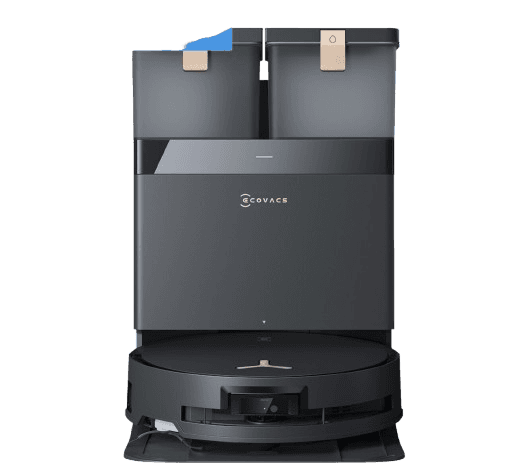
The suction pressure engineering of this unit utilizes a 45W brushless DC motor to achieve a calibrated 18,000 Pa of static pressure. This motor-to-airway ratio is optimized for sustained lift rather than high-volume airflow, making it highly effective for heavy particulates like sand and dried mud. By balancing the impeller speed with the narrow intake channel, the device maintains high velocity even as the 220 ml bagless bin reaches capacity. This makes it ideal for hard floor extraction and low-pile carpet agitation where deep-seated dust requires more than just surface-level suction. It is particularly suited for high-density urban debris found in Indian homes.
Filtration architecture consists of a 3-stage-stage HEPA system designed to mitigate the secondary pollution common in bagless models. The first stage utilizes a cyclone separator for large debris, followed by a mesh screen for hair, and finally the HEPA element for PM2.5 particulates. This washable construction is vital for the Indian context, where high ambient dust levels would otherwise clog disposable filters within weeks. By allowing users to rinse the filter, the device maintains consistent airflow and reduces the total cost of ownership. It successfully captures 99.97% of allergens, ensuring that the exhaust air remains significantly cleaner than the intake.
Power management is handled by a high-capacity battery system that supports a 145-minute runtime, a rare specification for 18,000 Pa class machines. The 4.5-hour charging cycle employs a CC-CV protocol to preserve cell longevity despite the high discharge rates required by the 45W motor. For the Indian user, this means the device can handle a full 2BHK cleaning cycle followed by detailed upholstery work without power fade. The internal management system prevents overheating during prolonged sessions, ensuring the motor maintains peak efficiency throughout the discharge curve. This reliability is essential for users who perform deep cleaning only once or twice a week.
The wet and dry separation mechanism utilizes the ozmo roller mop and a dedicated fluid pathway to manage moisture. Unlike pure dry vacuums, the internal baffle design protects the motor from liquid ingress, allowing for the immediate cleanup of kitchen spills or bathroom tile dampness. The 220 ml bin is partitioned to ensure that dry dust does not form a sludge that could block the HEPA filter. Post-wet-use maintenance is simplified by the modular nature of the roller, which can be detached for thorough drying. This engineering prevents the development of mold and odors inside the chassis after cleaning spills.
The technical mechanism of the V-shaped spiral brush and side brush provides a mechanical advantage on uneven surfaces like grout lines. In the absence of a blower function, the side brush serves to flick debris from corners into the high-velocity suction path. This is particularly effective for cleaning Indian AC vents and sliding window tracks where fine silt accumulates. The ozmo roller mop adds a mechanical scrubbing action that traditional suction-only models lack, providing a polished finish on marble and vitrified tiles. This dual-action hardware allows the device to tackle both sticky grime and loose particulates simultaneously with high efficiency.
The chassis is constructed from high-grade ABS, balancing the 5.3 kg weight to ensure durability against accidental impacts with furniture. The handle design is ergonomically weighted to place the center of gravity near the wrist, reducing fatigue during extended 145-minute cleaning sessions. A integrated parking position allows the unit to stand without support, which is useful for quick interruptions. While the weight is higher than some plastic alternatives, it provides the structural integrity needed to house the dual-tank system and high-torque motor components. The deebot x8 pro omni represents a significant engineering achievement for users seeking a durable and multi-functional cleaning tool.