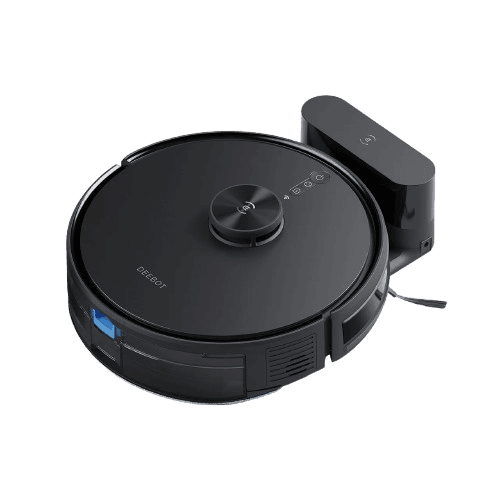
The suction pressure engineering of this unit relies on a 35 W brushless DC motor optimized for high static pressure rather than raw volume. Achieving 6500 Pa from a relatively low-wattage motor suggests a highly efficient motor-to-airway ratio, where internal turbulence is minimized through smoothed air paths. This specific pressure level is ideal for lifting fine silty dust and pet hair from crevices, though it may face limitations with heavy pebbles or large debris. The engineering focus here is on sustained performance across varied surfaces, balancing the energy draw to ensure the motor does not overheat during extended 320-minute operational cycles.
Filtration architecture is centered around a 3-stage-stage HEPA system designed to manage the high particulate load typical of Indian cities. The first stage captures large debris, the second handles finer dust, and the final HEPA membrane traps 99.97% of particles as small as 0.3 microns. Because the filter is washable, the construction uses high-density polymer fibers that resist degradation when exposed to water. This is a critical engineering choice for Indian users, as it prevents the rapid clogging often seen with paper-based filters in dusty environments, thereby maintaining the 6500 Pa suction across months of daily use.
The battery and power system is the standout engineering feat, delivering 320 minutes of runtime. This is achieved through a high-capacity lithium-ion cell configuration that utilizes CC-CV (Constant Current-Constant Voltage) charging protocols via a 5-hour cycle. The power management firmware regulates the 35 W draw to prevent voltage drops as the battery depletes, ensuring suction remains linear rather than tapering off. For Indian households, this translates to the ability to clean multiple rooms or large 3BHK flats on a single charge, provided the user manages the 200 ml bin capacity effectively during the session.
The wet and dry separation mechanism utilizes a baffle design within the 200 ml bagless bin to prevent liquid ingress into the motor chamber. By redirecting the airflow through a moisture-trap path, the unit protects the 35 W brushless motor from short-circuiting or corrosion. While the capacity is limited to 200 ml, the engineering allows for the immediate cleanup of liquid spills on kitchen tiles or damp footprints in the entryway. Post-wet-use maintenance is simplified by the modular bin design, which requires thorough drying to prevent bacterial growth, a necessary step for hygiene in humid climates.
Though this model lacks a blower function, it compensates through its specialized attachment interface. The main brush and side brush work in tandem to create a mechanical agitation effect, which pre-loosens stubborn dirt before the suction inlet captures it. This mechanical assistance is vital for cleaning AC vents and keyboard gaps where static electricity holds dust in place. The engineering of the mopping pad attachment allows for a trailing-wipe action, which uses the weight of the 2.95 kg chassis to apply downward pressure, improving the removal of dried-on spots on hard floor surfaces.
The chassis and ergonomics reflect a durable ABS construction designed to withstand the rigors of daily Indian cleaning routines. The 2.95 kg weight is distributed towards the handle to improve pivot control, though it may feel heavy during prolonged overhead cleaning of ceiling fans or high curtains. The parking position and attachment locking mechanisms are engineered for high cycle counts, ensuring the joints do not loosen over time. Ultimately, the deebot y1 pro represents a sophisticated marriage of high-endurance battery chemistry and efficient brushless motor design, resulting in a robust cleaning tool for modern domestic environments.