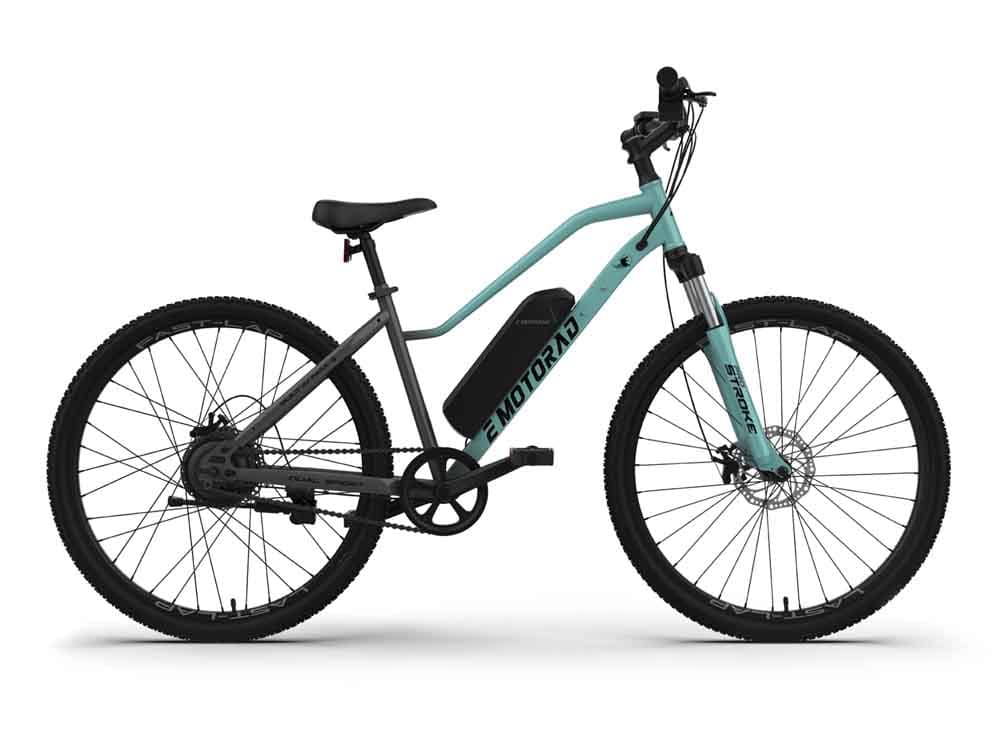
The EMotorad X2 integrates a 250W BLDC rear hub motor with a 36V 7.65Ah Lithium-Ion battery, delivering up to 35 km of assisted range for efficient urban transit. Its robust 17-inch high tensile steel step-through frame, coupled with a 7-speed Shimano drivetrain and front telescopic suspension, ensures a versatile and comfortable riding experience.
Quick Answer
The EMotorad X2 offers an optimized blend of propulsion technology and ergonomic design, providing reliable and efficient electric assistance for daily urban commutes.
The EMotorad X2 is a stylish choice for urban commuters seeking the brand’s proven reliability in a budget-friendly package. Its 17-inch High Tensile Steel step-through frame ensures easy mounting for all riders, while the 250W rear hub motor and removable 36V 7.65Ah battery provide dependable city performance. Buy this if you want a sleek, matte-finished entry-level e-cycle for short daily commutes. However, avoid it if you need integrated utility features, as the lack of lighting, fenders, and a rear carrier requires extra investment.
| Brand | EMotorad |
| Model Number | X2 |
| Type | Electric Cycle |
| Application Sector | Urban Commute |
| Country Of Origin | India |
| Launch Year | 2022 |
| Color | Light Green / Warm Red |
| Frame Type | Step-Through Unisex |
| Standard Compliance | NA |
| Certifications | NA |